Front Main Oil Seal: Essential Guide to Industrial Sealing Solutions | YJM Seal
Understanding the Front Main Oil Seal: A Key Component in Industrial Reliability
At first glance, a front main oil seal might seem like just a small, somewhat obscure part tucked away inside engines or heavy machinery. Yet, its role is critical—without it, lubricant would leak, equipment would overheat, and machinery failure would be inevitable. Globally, industries ranging from automotive to energy depend on the reliability of these seals to maintain operational efficiency and protect intricate mechanical systems.
Why does understanding a seemingly simple component like the front main oil seal matter? Well, consider that the World Bank estimates manufacturing contributes roughly 16% to global GDP, with machinery downtime costing billions every year. A robust front main oil seal can save money, reduce waste, and improve safety—a trifecta of benefits that ripple far beyond the factory floor.
Introduction: The Global Context of Front Main Oil Seals
In an era where the push for industrial resilience and sustainability is stronger than ever, the durability and effectiveness of every component matter. The front main oil seal is no exception. Globally, manufacturers are facing rising demands for higher machine uptime and stricter environmental standards—placing tons of pressure on seals to prevent leakage and contamination.
For example, ISO standards on lubricants and sealing components regulate their performance to ensure minimal environmental impact. Interestingly, complex supply chains and the continuing expansion of industries like renewable energy and automotive electrification put new pressures on seal technology. Front main oil seals, often overlooked, become unsung heroes in meeting these challenges.
What Is a Front Main Oil Seal?
Simply put, the front main oil seal is the component located at the front of an engine or gearbox that prevents oil from leaking out around the main crankshaft or shaft. It’s designed to hold lubricants in and keep contaminants like dirt and water out. Without it, the entire lubrication system could fail, leading to costly repairs or even total machine breakdown.
This seal isn't just industrial jargon—it links directly to human and humanitarian needs by keeping critical machinery running. From agricultural equipment feeding communities to emergency generators running hospitals, the front main oil seal plays a quiet but vital role in sustaining livelihoods and safety.
Core Characteristics of Front Main Oil Seals
1. Durability
Front main oil seals have to be highly resistant to wear and chemicals. Given their exposure to hot oils, friction, and sometimes corrosive environments, the materials used—often nitrile rubber or fluoroelastomers—are carefully chosen for longevity.
2. Precision Fit
These seals must fit extremely tightly against rotating shafts, balancing the need for a tough seal with minimal friction. Even minor imperfections can cause leaks or premature failure.
3. Temperature Resistance
Engines and machinery heat up quickly, and seals endure wide temperature swings. A good front main oil seal tolerates both extremes without cracking or deforming.
4. Chemical Compatibility
They must withstand contact with various oils, greases, and sometimes fuels without degrading.
5. Cost Efficiency
Though they seem small and inexpensive, selecting the wrong seal can result in disproportionate costs from downtime and repairs. Finding the right balance—cost versus performance—remains a key consideration.
Mini takeaway: The front main oil seal is a small component whose quality impacts machine life dramatically. Focusing on durability, fit, and material science is essential.
Global Applications and Use Cases
These seals find their way into almost every sector involving rotating machinery. In automotive manufacturing hubs like Germany, Japan, and the U.S., front main oil seals are critical for engine reliability. In the oil and gas sector—think Russia, the Middle East, and North America—they protect pumps and compressors that operate under intense pressure and heat.
Mining operations in Africa depend heavily on durable sealing solutions to keep machines running safely amidst dust and harsh conditions. Even in humanitarian logistics, emergency power generators use front main oil seals to ensure continuous operation during relief efforts.
Such diversity illustrates why international standards, supply chain integrity, and trusted suppliers matter so much. It’s not just about manufacturing efficiency but ensuring communities have reliable energy, transport, and services.
Product Specification Table: Typical Front Main Oil Seal Features
| Feature | Description |
|---|---|
| Material | Nitrile, Viton (fluoroelastomer), Silicone, PTFE |
| Temperature Range | -40°C to +200°C (depending on material) |
| Shaft Diameter Compatibility | Typically 20 mm to 150 mm |
| Seal Lip Type | Single or double lip, spring-loaded |
| Pressure Rating | Generally up to 1 bar for static applications |
Advantages and Long-Term Benefits
- Cost Savings: Reduced leakages lower downtime and maintenance costs.
- Environmental Protection: Prevents oil spills, which can contaminate soil and water.
- Longevity: Durable materials extend the life of engines and machinery.
- Safety and Trust: Reliable seals ensure machines run safely, protecting operators and communities.
Honestly, you get this subtle peace of mind knowing that a tiny part is working hard beneath the surface. Industrial innovation sometimes shines brightest in aspects we barely notice.
Vendor Comparison Table: Leading Front Main Oil Seal Suppliers
| Vendor | Material Options | Custom Sizes | Price Range | Lead Time |
|---|---|---|---|---|
| YJM Seal | Nitrile, Fluoroelastomer, Silicone | Yes | $$ | 2–4 weeks |
| Generic Seal Co. | Nitrile only | Limited | $ | 1–3 weeks |
| PremiumSeal Ltd. | Fluoroelastomer, PTFE | Yes | $$$ | 3–5 weeks |
Future Trends and Innovations
Looking ahead, the front main oil seal is evolving with materials science breakthroughs like graphene-coated seals, which offer remarkably low friction and enhanced durability. The rise of electric vehicles (EVs) shifts some demand away from traditional engine oil seals, but sectors with heavy-duty equipment and renewables still require advanced sealing tech.
There’s also a growing push for eco-friendly sealing materials that minimize environmental harm during manufacture and disposal. Automation and digital monitoring integrated with seal performance are emerging areas—think sensors that warn before leaks occur, reducing failures proactively.
Challenges and Solutions
Seal failures often happen due to unexpected contamination, shaft misalignment, or installation errors. These challenges are well-documented but still tricky in practice. Training installers and using enhanced quality control methods can significantly reduce failures.
Moreover, adopting predictive maintenance technologies supported by IoT sensors shows promise to preempt leaks. Frankly, ensuring perfect installation environments is easier said than done, but investments here are paying off in lower downtime.
FAQ: Frequently Asked Questions About Front Main Oil Seals
Q1: How long should a typical front main oil seal last in automotive engines?
A1: Generally, front main oil seals are designed to last 100,000 miles or more under normal conditions. However, lifespan varies based on vehicle use, engine maintenance, and environmental factors like temperature extremes.
Q2: Can front main oil seals be custom-made for unusual shaft sizes?
A2: Yes. Many suppliers, including YJM Seal, offer custom sizing to fit unique applications, which is especially useful for industrial or heavy machinery requiring non-standard dimensions.
Q3: What materials are best for front main oil seals exposed to high temperatures?
A3: Fluoroelastomer (Viton) and PTFE seals excel in high-temperature environments due to their superior heat resistance compared to nitrile rubber.
Q4: How can I prevent front main oil seal leaks after installation?
A4: Proper shaft surface finish, correct installation tools, and shaft alignment are crucial. Also, avoid contaminant exposure during assembly and follow manufacturer guidelines precisely.
Q5: Are front main oil seals used in electric vehicles?
A5: While EVs reduce reliance on traditional oil-based seals, front main oil seals remain vital in hybrid systems and other mechanical parts requiring lubrication sealing.
Conclusion: Why the Front Main Oil Seal Still Matters
In summary, the front main oil seal might be small, but its impact is vast. It’s a linchpin that safeguards engines and machinery, enabling industries worldwide to thrive efficiently and sustainably. By investing in quality seals, understanding their function, and anticipating future trends, companies can reduce costs, boost reliability, and contribute to safer environments.
For those seeking dependable sealing solutions, visit our website to explore YJM Seal’s comprehensive range of front main oil seals and expert guidance tailored to your needs.
It’s funny how a tiny ring of rubber and metal holds so much responsibility in the machinery ecosystem—truly a testament to engineering precision and global industry collaboration.
References
-
Guide to Choosing the Right Washer for Oil Change and Sealing
News Apr.16,2026
-
Essential Guide to High Quality rubber washer oil drain plug
News Apr.09,2026
-
Understanding Rubber Crush Washers for Optimal Sealing Performance
News Apr.07,2026
-
Comprehensive Guide to Understanding and Reusing Crush Washer for Optimal Sealing
News Apr.04,2026
-
The Vital Role of a Drain Screw Gasket in Fluid System Integrity
News Mar.31,2026
-
The Essential Guide to Drain Crush Washer Selection and Plumbing Leak Prevention
News Mar.28,2026
-
The Vital Role of a Crush Washer in Oil Changes for Engine Protection
News Mar.26,2026
Products categories
-
Brass cutlass marine bearing
-
Genuine OEM Engine Oil Filter Housing Cover O-Ring For VW/Audi 06E115446
-
Oil Filter Stand Gasket,Oil filter cover seal
-
Oil Cooler Gasket, Oil Cooler to Oil Filter Housing 11427525335
-
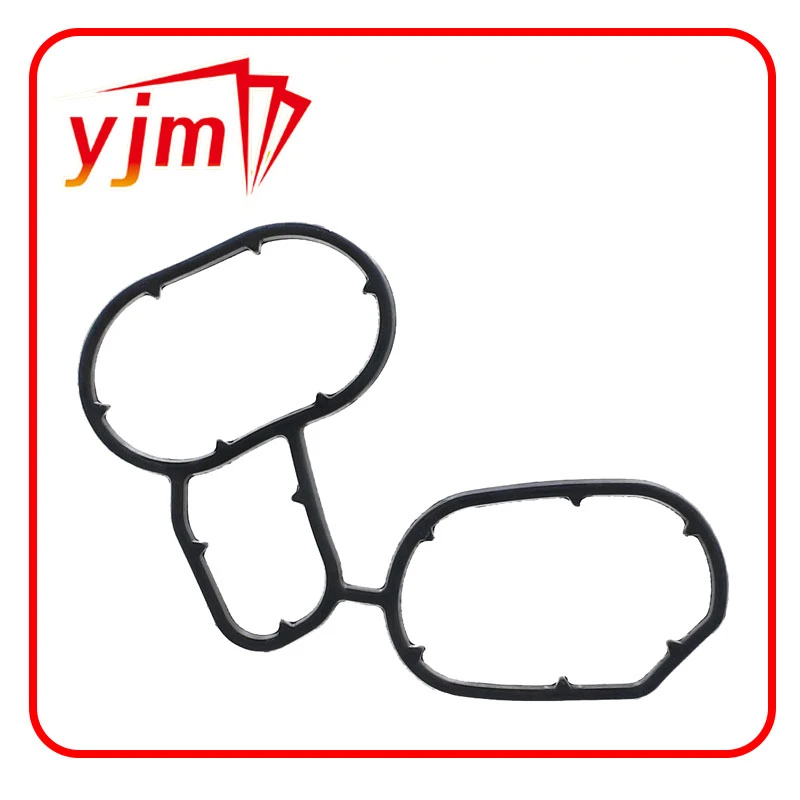
11427508970 BMW - OIL FILTER HOUSING GASKETS
-
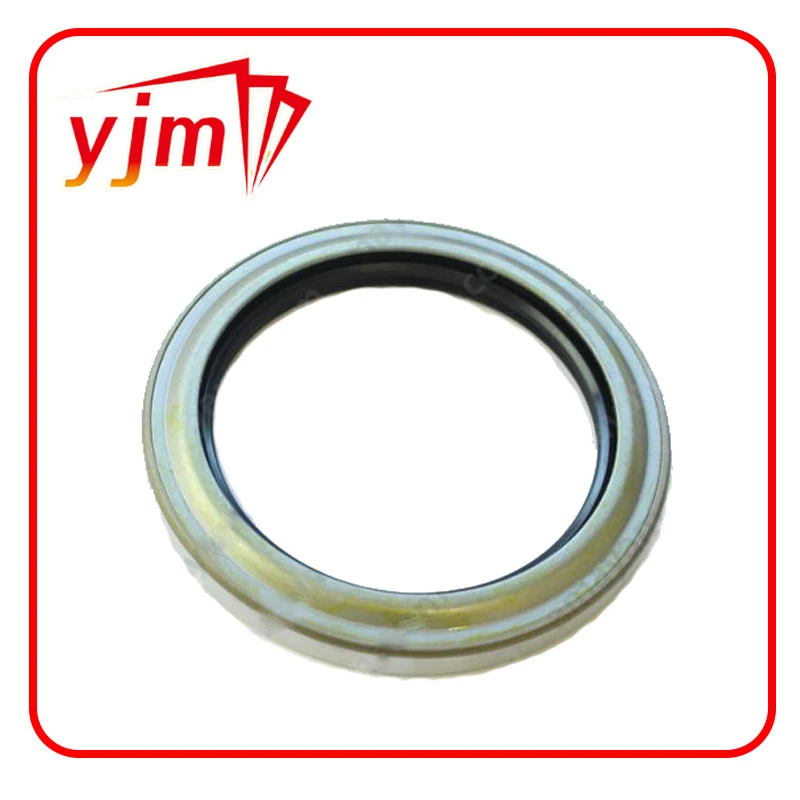
SEAL, OIL Genuine Toyota (9031170011)
-
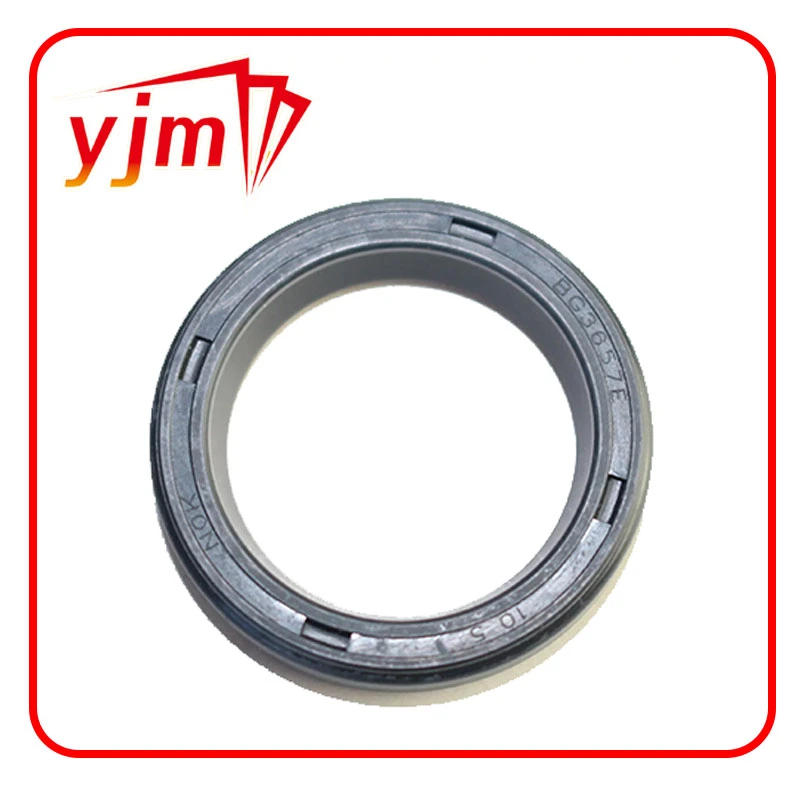
Transfer Case Output Shaft Seal Part 9031223001
-
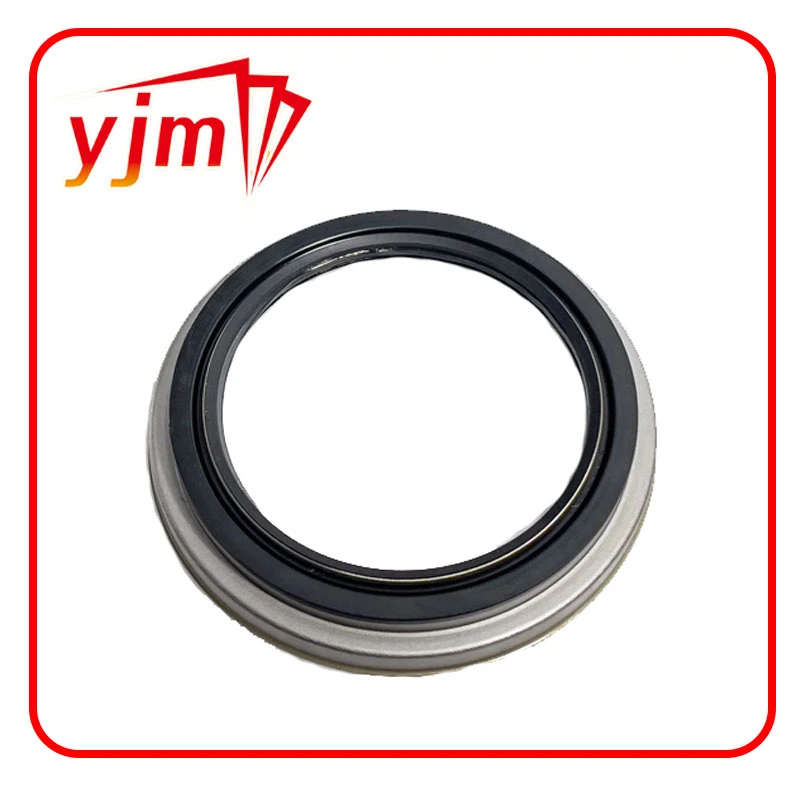
SEAL, OIL Genuine Toyota (9031672001)
-
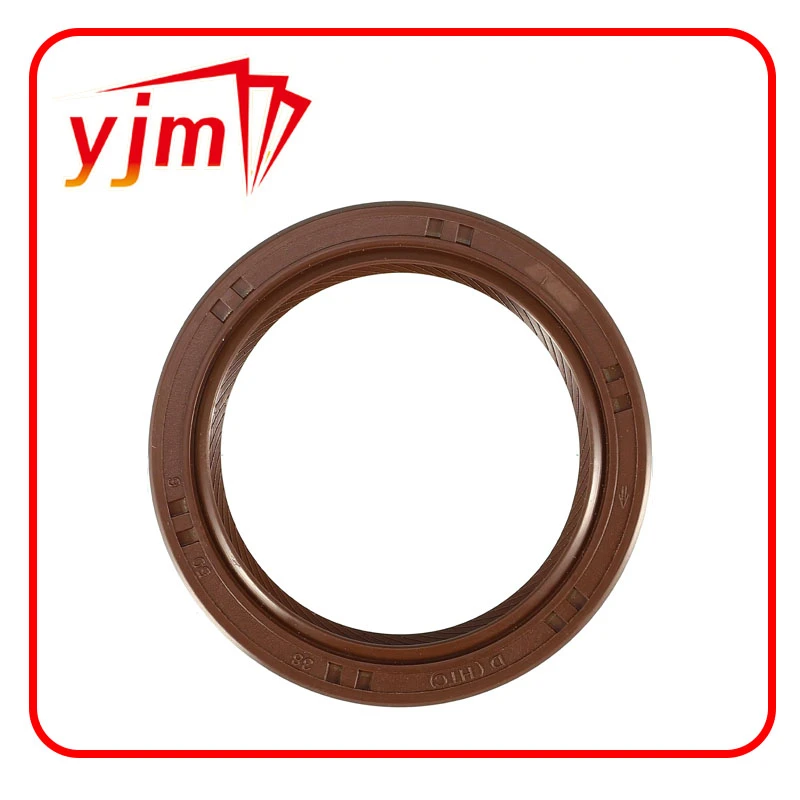
Engine Crankshaft Oil Seal No.9031138096
-
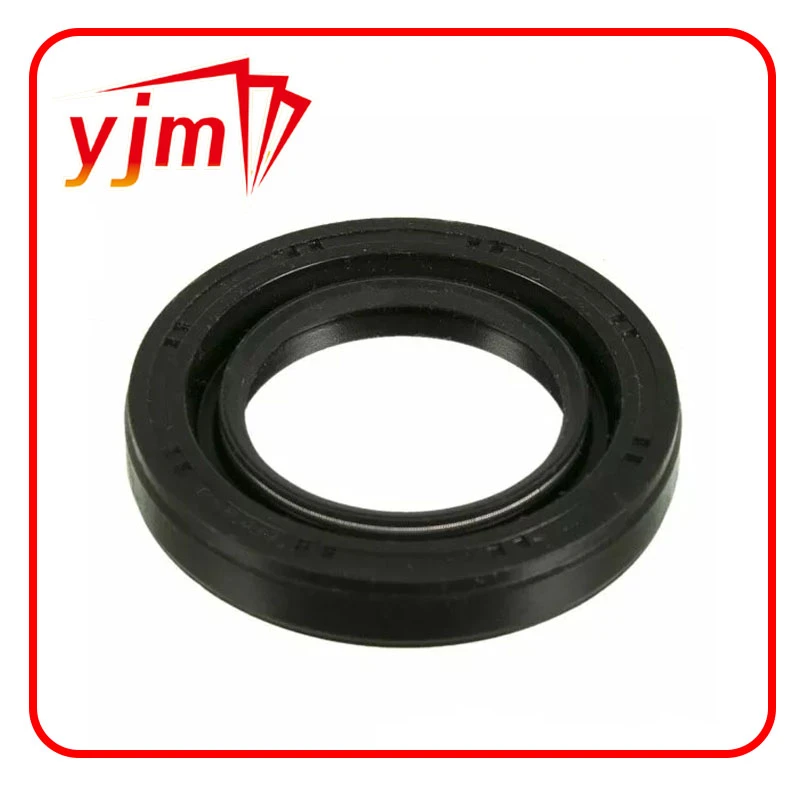
Toyota Transfer Case Output Shaft Seal Front 9031136006
-
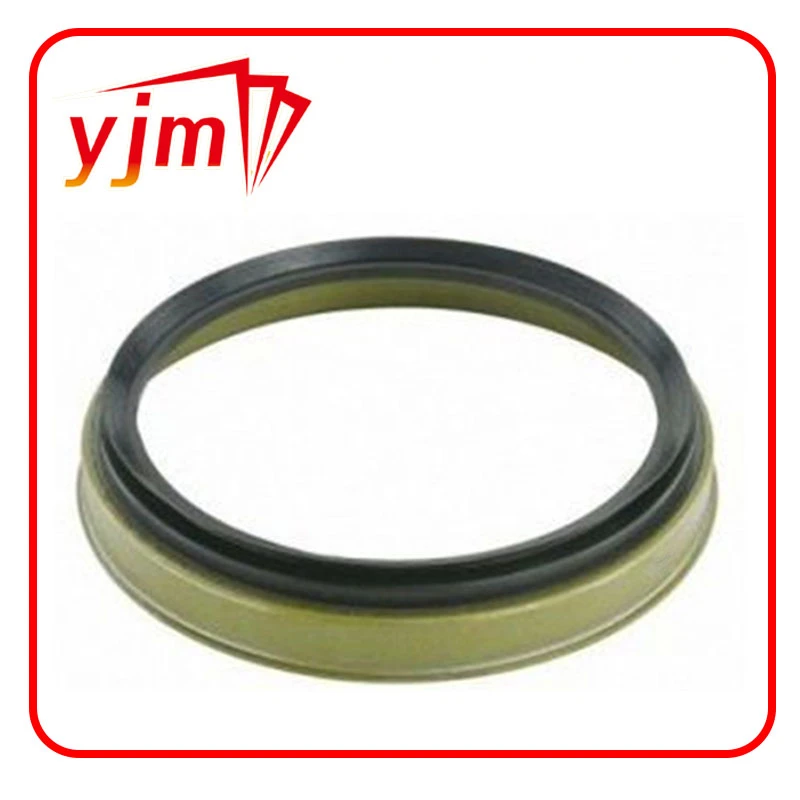
Seal, type v oil 9031287001 TOYOTA
-
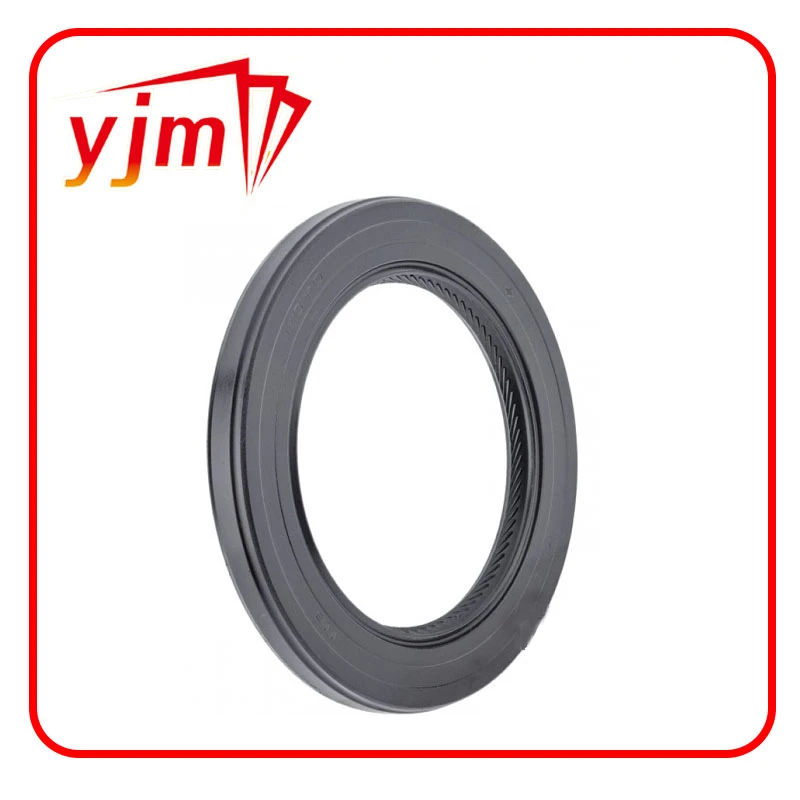
Oil pump seal 9031143010
-
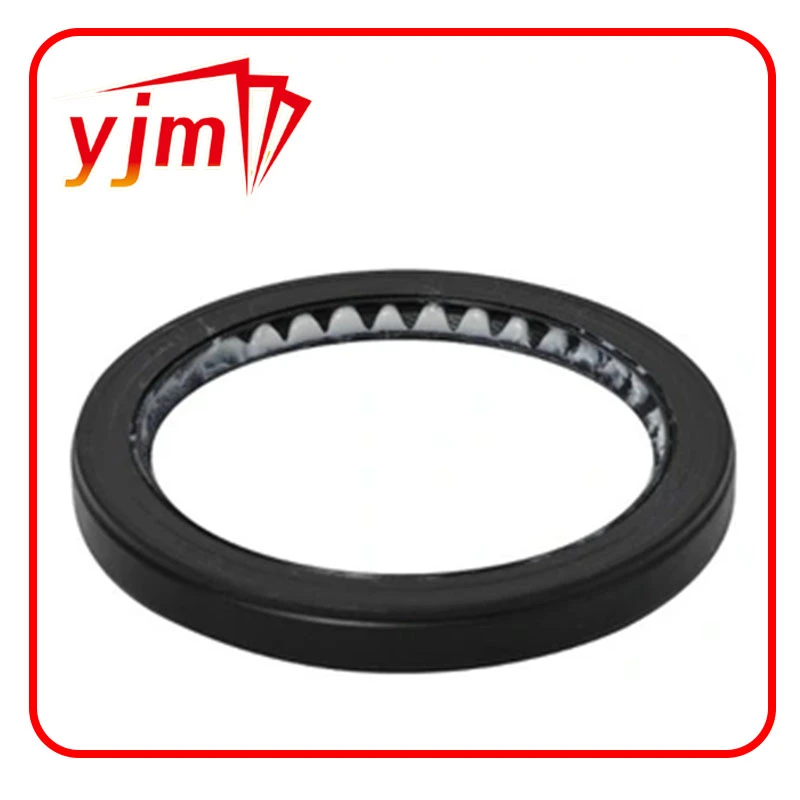
Genuine Toyota Oil SEAL 90311-54006
-
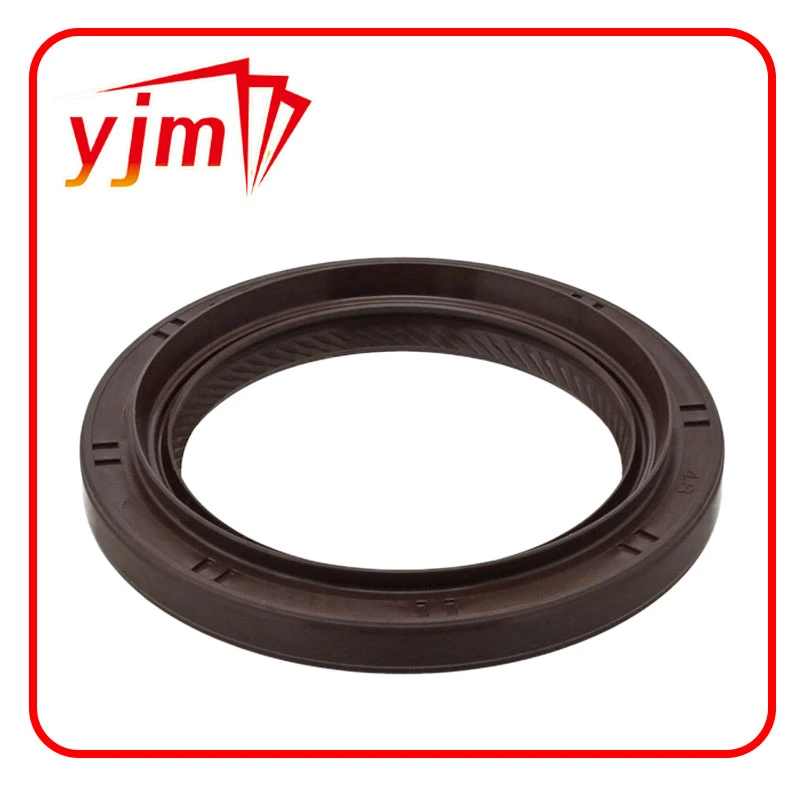
Toyota SEAL TYPE T OIL 90311-48031
-
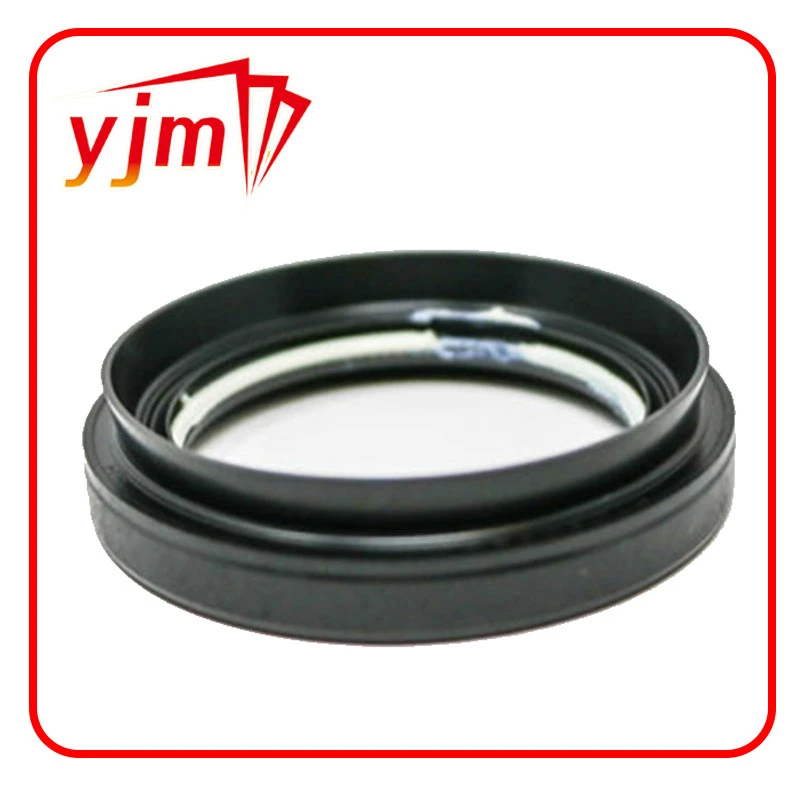
Type T Oil Seal, Front Drive Shaft, Left 9031150064
-
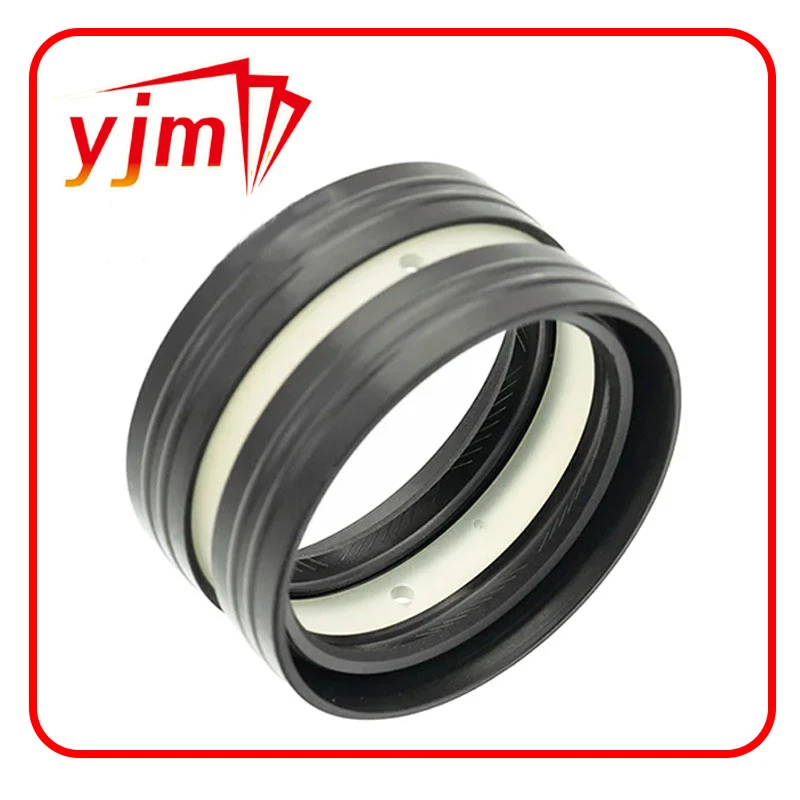
Seal, type d oil 9031634001 TOYOTA
 Afrikaans
 Albanian
 Amharic
 Arabic
 Armenian
 Azerbaijani
 Basque
 Belarusian
 Bengali
 Bosnian
 Bulgarian
 Catalan
 Cebuano
 Corsican
 Croatian
 Czech
Czech
 Danish
 Dutch
Dutch
 Esperanto
 Estonian
 Finnish
 French
 Frisian
 Galician
 Georgian
 German
 Greek
Greek
 Gujarati
 Haitian Creole
 Hausa
Hausa
 Hawaiian
 Hebrew
 Hindi
Hindi
 Miao
Miao
 Hungarian
 Icelandic
 Igbo
Igbo
 Indonesian
 Irish
Irish
 Italian
 Japanese
 Javanese
 Kannada
 Kazakh
 Khmer
Khmer
 Rwandese
 Korean
 Kurdish
 Kyrgyz
 Lao
Lao
 Latin
Latin
 Latvian
 Lithuanian
 Luxembourgish
 Macedonian
 Malgashi
 Malay
Malay
 Malayalam
 Maltese
 Maori
Maori
 Marathi
 Mongolian
 Myanmar
 Nepali
 Norwegian
 Norwegian
 Occitan
 Pashto
 Persian
 Polish
 Portuguese
 Punjabi
 Romanian
 Russian
 Samoan
 Scottish Gaelic
 Serbian
 Sesotho
 Shona
Shona
 Sindhi
 Sinhala
 Slovak
 Slovenian
 Somali
 Spanish
 Sundanese
 Swahili
 Swedish
 Tagalog
 Tajik
Tajik
 Tamil
Tamil
 Tatar
Tatar
 Telugu
 Thai
Thai
 Turkish
 Turkmen
 Ukrainian
 Urdu
Urdu
 Uighur
 Uzbek
Uzbek
 Vietnamese
 Welsh
Welsh
 Bantu
Bantu
 Yiddish
 Yoruba
 Zulu
Zulu
 English