Crank Seal Gasket – Essential Guide to Selection, Applications & Innovations
Crank Seal Gasket: The Unsung Hero of Mechanical Reliability
If you’ve ever wondered what keeps engines running smoothly and prevents messy oil leaks, you’re looking in the right place. The crank seal gasket—though seemingly a small component—plays a huge role globally in maintaining machinery efficiency across countless industries. Understanding this simple yet crucial part helps us appreciate how complex mechanical systems stay reliable, longer, and safer. Plus, it’s fundamental in sectors ranging from automotive manufacturing to humanitarian logistics.
Introduction: Why the Crank Seal Gasket Matters Globally
Let’s zoom out for a moment. The global automotive industry alone was valued at over $3.5 trillion USD in 2023 (Statista). Within such a massive market, the demand for durable and high-performing parts is incessant. Crank seal gaskets, tasked with sealing the interface between the crankshaft and engine block, help prevent oil leaks that could otherwise cause engine failure and environmental hazards.
Oil leaks aren’t just minor nuisances—they spell downtime, costly repairs, and affect emissions controls, which ties into global sustainability efforts. With tightening environmental policies by agencies like the ISO and UNEP (United Nations Environment Programme), solutions ensuring tight seals on critical engine parts have become more important than ever.
Oddly enough, while the crank seal gasket is often overlooked, in remote industrial zones or post-disaster relief operations relying on generators, an efficient seal can mean the difference between running machines and halted functions.
What is a Crank Seal Gasket?
Simply put, a crank seal gasket is a specialized sealing component positioned where the engine’s crankshaft exits the engine block. It prevents fluids like oil and, in some designs, coolant from leaking out while allowing the crankshaft to rotate freely.
It’s one of those parts that’s easy to gloss over until it fails. But in modern industry, from car assembly lines to power generation, it’s essential to maintain safe, clean, and reliable mechanical operations. Humanitarian operations, where mobile generators and vehicles are often the lifeline, certainly benefit when such components work without fail.
Key Factors Affecting Crank Seal Gasket Performance
Durability and Material Composition
The primary concern is how long the crank seal gasket can withstand constant friction, heat, and environmental exposure. Most utilize advanced elastomers or composite materials infused with carbon or PTFE (polytetrafluoroethylene). These materials resist wear and chemical breakdown, making them last longer in tough operating conditions.
Precision and Fit
One cannot underestimate the importance of the gasket’s precision. A poorly fitting crank seal gasket leads to leaks, contaminations, and early failure. Manufacturers often employ CNC machining and quality control technologies to ensure tolerances within microns.
Temperature Resistance
Engines can run hot. A crank seal gasket’s ability to maintain integrity across a wide temperature range—typically from -40°C to 150°C or higher—is vital, especially in harsh climates or heavy machinery.
Cost Efficiency
While high-end materials boost durability, cost considerations influence choices. Balancing long-term reliability and upfront expenses is a common challenge. However, cheaper seals often lead to more frequent replacements, raising operational costs.
Environmental Sustainability
There’s a growing push for eco-friendly manufacturing processes for crank seal gaskets. Using recyclable materials and minimizing harmful chemical emissions during production offers a advantage aligned with global green policies.
Product Specifications at a Glance
| Specification | Typical Values | Comments |
|---|---|---|
| Material | NBR (Nitrile Rubber), Viton, PTFE composites | Chosen for wear & chemical resistance |
| Operating Temperature | -40°C to 150°C (can vary) | Critical for performance |
| Tolerance | ±0.01 mm | Ensures leak-free seal |
| Lifespan | 50,000-100,000 miles (automotive) | Varies based on use case |
Mini takeaway: When choosing a crank seal gasket, paying attention to material, fit, and temperature resistance ensures durability and reliability, minimizing costly downtimes.
Global Applications & Use Cases
Crank seal gaskets find their homes in several vital sectors worldwide. Automotive manufacturing hubs like Germany, Japan, and the United States rely heavily on them to keep vehicles leak-free. In heavy machinery industries, such as those prevalent in Russia and Canada’s mining fields, these seals endure harsh conditions daily.
In humanitarian settings—think post-disaster zones in Southeast Asia—generators and critical vehicles rely on quality gaskets to function for hours on end without failures. Many NGOs emphasize sourcing from trustworthy suppliers who guarantee performance under duress.
Vendor Comparison
| Vendor | Material Options | Customization | Typical Lead Time | Price Range |
|---|---|---|---|---|
| YJM Seal | NBR, Viton, PTFE | High, including bespoke sizes | 2-3 weeks | Mid to premium |
| SealTech Co. | NBR primarily | Standard sizes only | 1-2 weeks | Budget-friendly |
| Global Gasket Inc. | Wide variety with exotic materials | Flexible | 4-5 weeks | Premium |
Mini takeaway: For bespoke needs and trusted quality, crank seal gasket providers like YJM Seal often stand out with balance on customization, quality, and lead time.
Advantages & Long-Term Value
- Cost Savings: Avoiding leaks means less engine damage, fewer repairs, and longer service intervals.
- Environmental Impact: Better seals reduce oil contamination and emissions, aligning with stricter global standards.
- Reliability & Safety: A well-sealed crankshaft prevents malfunctions, which could otherwise put both people and equipment at risk.
- Innovation Trust: Investing in advanced materials reflects a company’s commitment to leading technologies and sustainability.
In real terms, when your machinery runs smoothly without needing constant intervention, it feels like you’re gaining not only operational peace of mind but also contributing to cleaner industry practices.
Future Trends & Innovations
Looking ahead, the focus on sustainability is prompting manufacturers to experiment with bio-based sealants and elastomers to replace synthetic rubbers. Digitally enhanced manufacturing with AI-driven quality control is reducing defects, and IoT-enabled sensors may soon help predict gasket wear in real-time.
Plus, with the rise of electric vehicles, the role of crank seal gaskets will evolve, but in hybrid engines and traditional machinery, they will remain vital. Automation in manufacturing is also cutting lead times and improving customization according to specs, an exciting frontier.
Challenges & Solutions
Of course, not all is easy. The main challenges include material degradation due to extreme environments and maintaining tolerances in mass production. Experts suggest multilayer composite seals and improved polymer blends to tackle these issues.
Innovative surface coatings that reduce friction and resist chemicals, combined with tighter quality control, are also helping extend gasket lifespans considerably.
Frequently Asked Questions About Crank Seal Gasket
- How do I know if my crank seal gasket needs replacing?
Look for visible oil leaks near the crankshaft area, unusual engine noises, or decreased oil levels. Early detection prevents costly engine repairs. - Can I install a crank seal gasket myself?
While possible, proper installation requires precision and tools. It's generally recommended to have a professional mechanic handle replacements to ensure a perfect seal. - Are all crank seal gaskets compatible with every engine?
No. Compatibility depends on material, size, and temperature rating. Always consult your engine’s specifications or a trusted supplier before purchase. - What materials perform best in extreme climates?
Viton and PTFE-based gaskets typically withstand higher temperatures and chemical exposure better than standard NBR, making them suitable for harsh environments. - How can I source reliable crank seal gaskets internationally?
Partner with reputable manufacturers offering certifications (ISO 9001, for example) and global shipping options. Companies like YJM Seal specialize in international distribution with guaranteed quality.
Conclusion
In summary, the humble crank seal gasket is fundamental for the longevity and efficiency of countless mechanical systems globally. Its role extends beyond just a part; it’s about reliability, cost saving, environmental protection, and innovation. For industries big and small, understanding and sourcing high-quality crank seal gaskets means investing in better performance and fewer headaches down the road.
Feel free to explore more about these indispensable components and find quality solutions by visiting our website: https://www.yjmseal.com.
Oddly enough, after digging deep into seals and gaskets, it feels like a mini world of engineering magic right at the edge where metal meets motion.
References
-
Guide to Choosing the Right Washer for Oil Change and Sealing
News Apr.16,2026
-
Essential Guide to High Quality rubber washer oil drain plug
News Apr.09,2026
-
Understanding Rubber Crush Washers for Optimal Sealing Performance
News Apr.07,2026
-
Comprehensive Guide to Understanding and Reusing Crush Washer for Optimal Sealing
News Apr.04,2026
-
The Vital Role of a Drain Screw Gasket in Fluid System Integrity
News Mar.31,2026
-
The Essential Guide to Drain Crush Washer Selection and Plumbing Leak Prevention
News Mar.28,2026
-
The Vital Role of a Crush Washer in Oil Changes for Engine Protection
News Mar.26,2026
Products categories
-
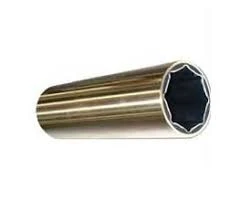
Brass cutlass marine bearing
-
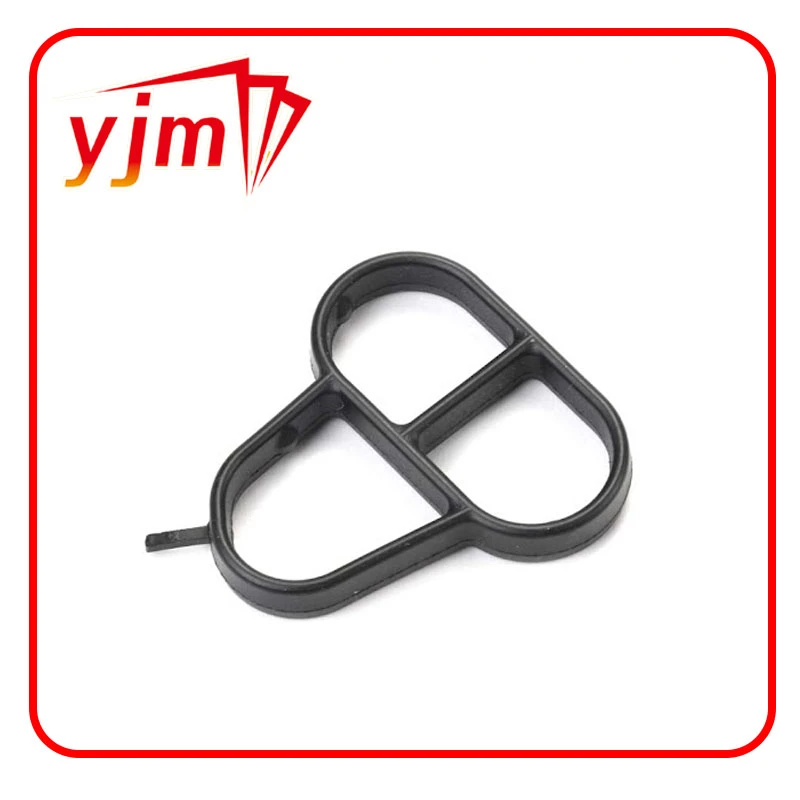
Genuine OEM Engine Oil Filter Housing Cover O-Ring For VW/Audi 06E115446
-
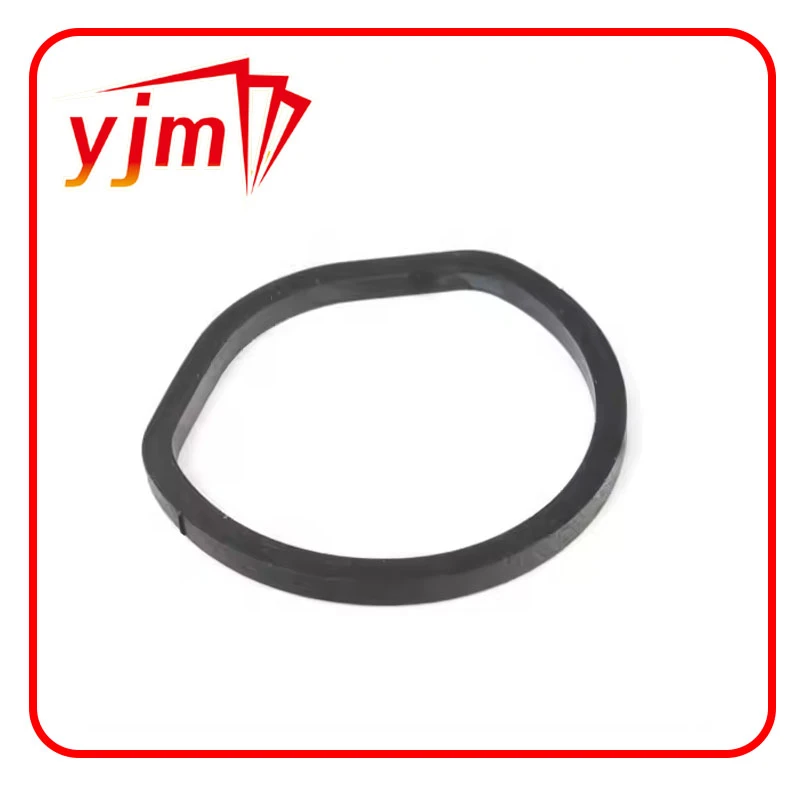
Oil Filter Stand Gasket,Oil filter cover seal
-
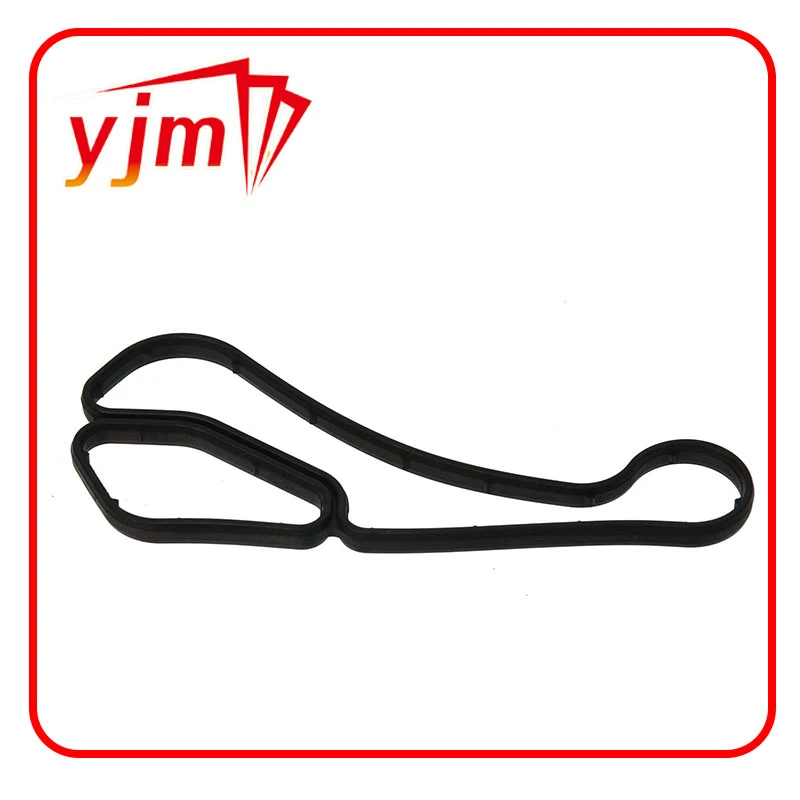
Oil Cooler Gasket, Oil Cooler to Oil Filter Housing 11427525335
-
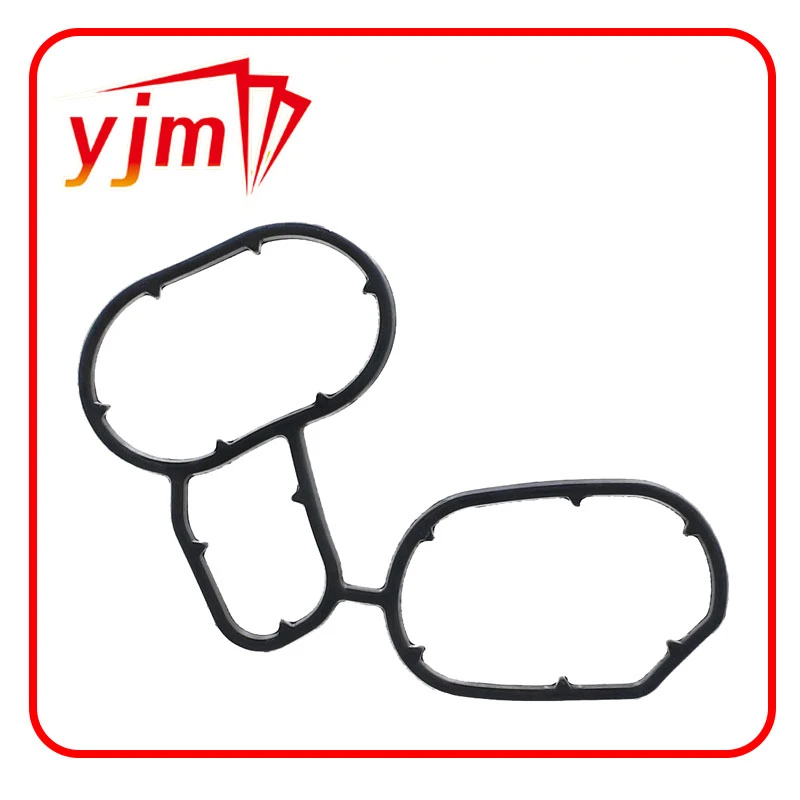
11427508970 BMW - OIL FILTER HOUSING GASKETS
-
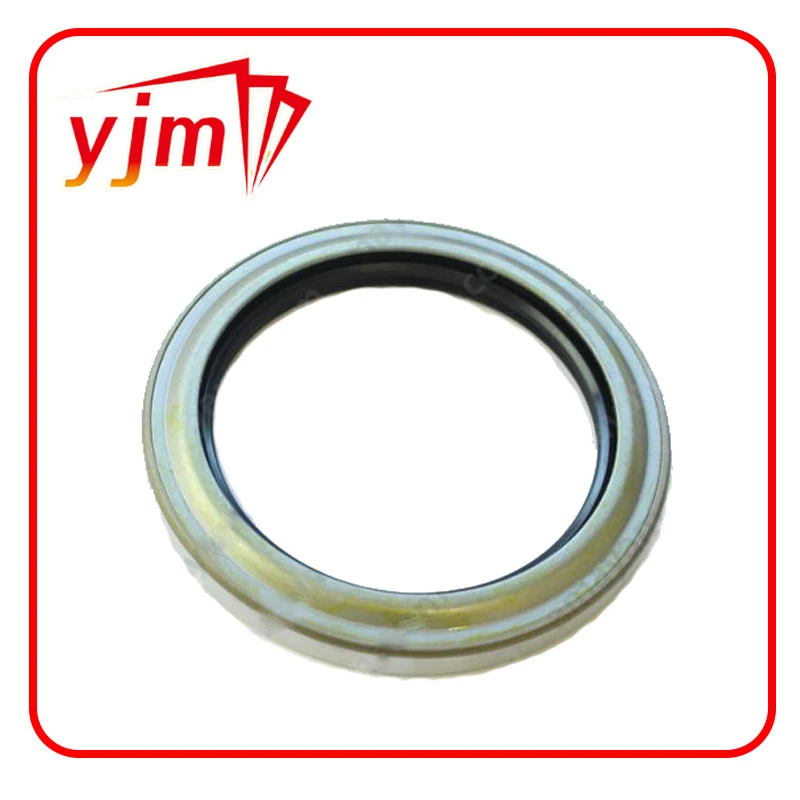
SEAL, OIL Genuine Toyota (9031170011)
-
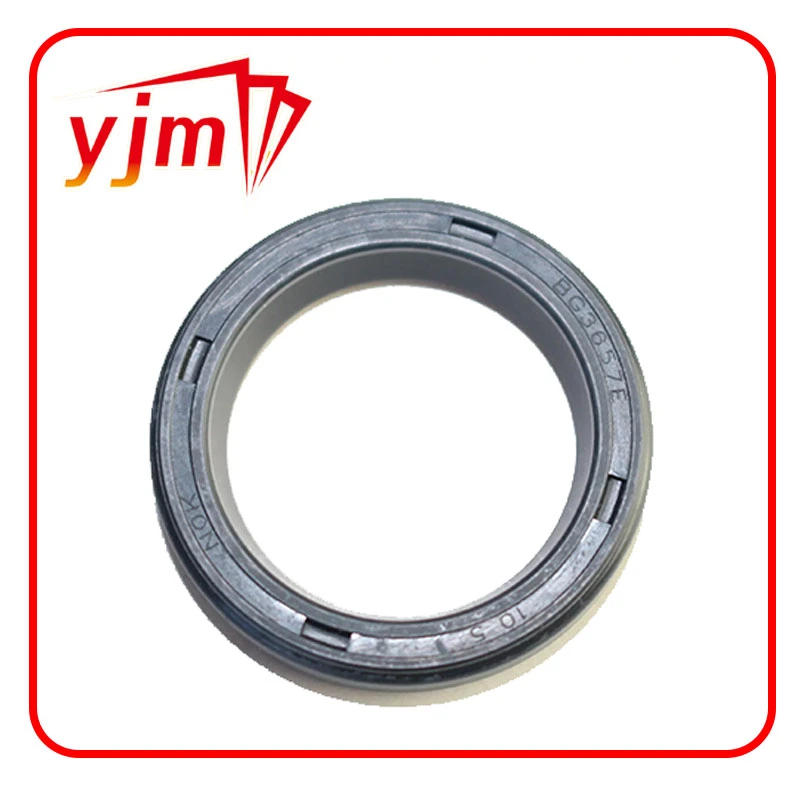
Transfer Case Output Shaft Seal Part 9031223001
-
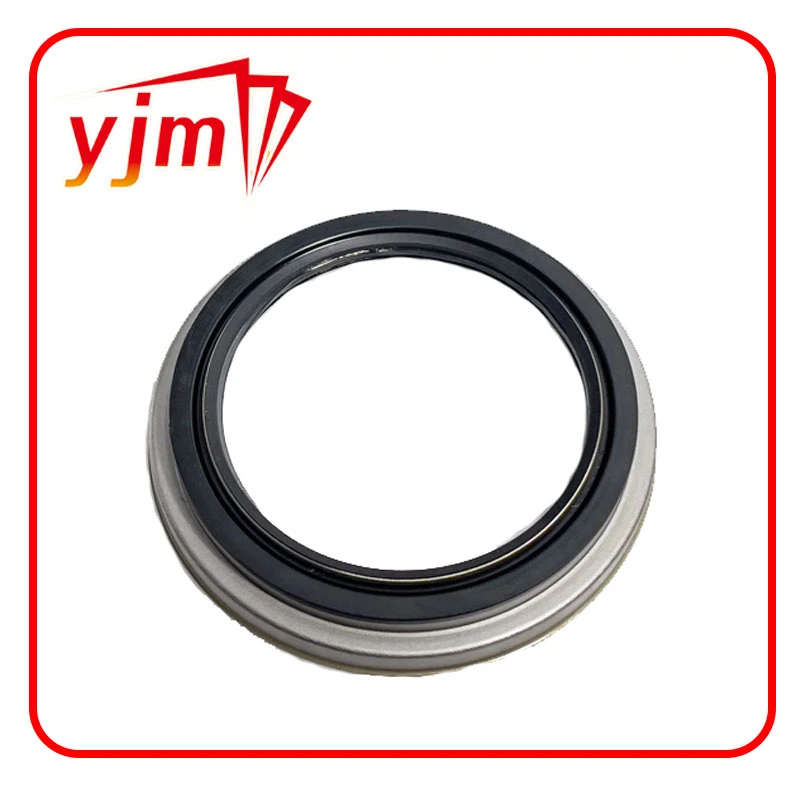
SEAL, OIL Genuine Toyota (9031672001)
-
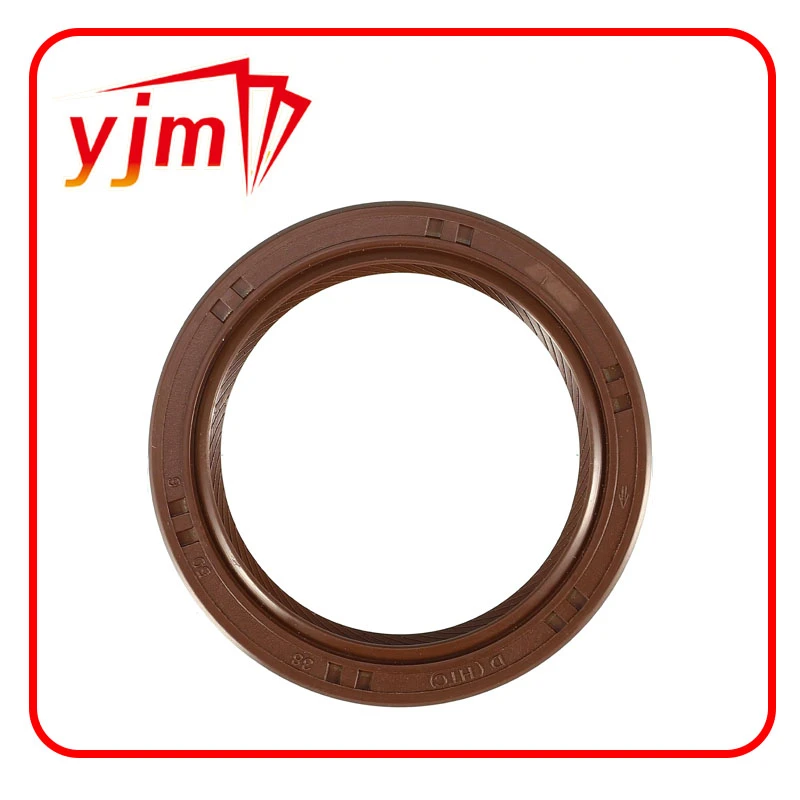
Engine Crankshaft Oil Seal No.9031138096
-
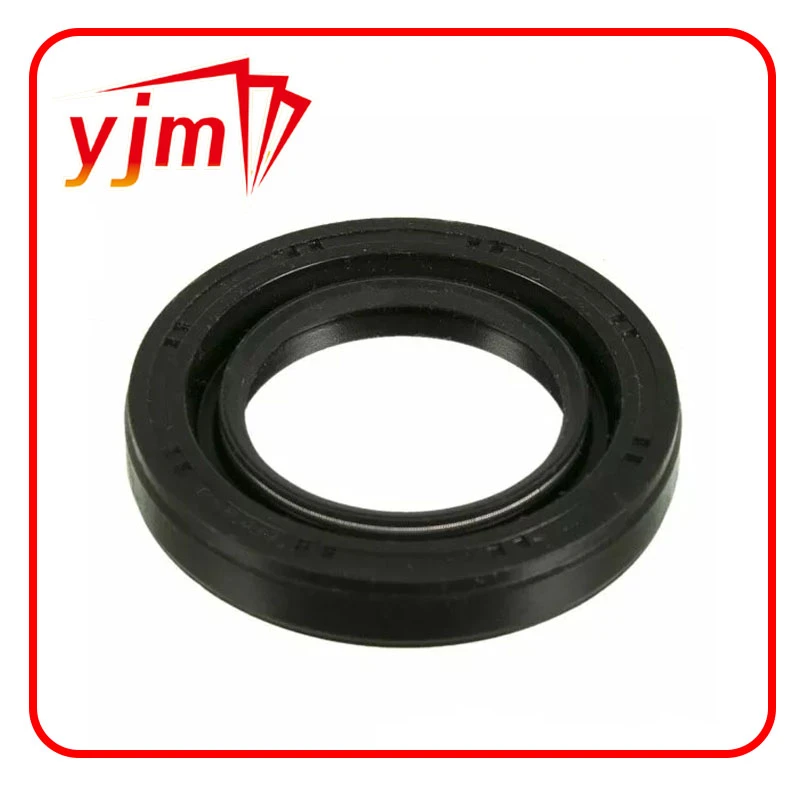
Toyota Transfer Case Output Shaft Seal Front 9031136006
-
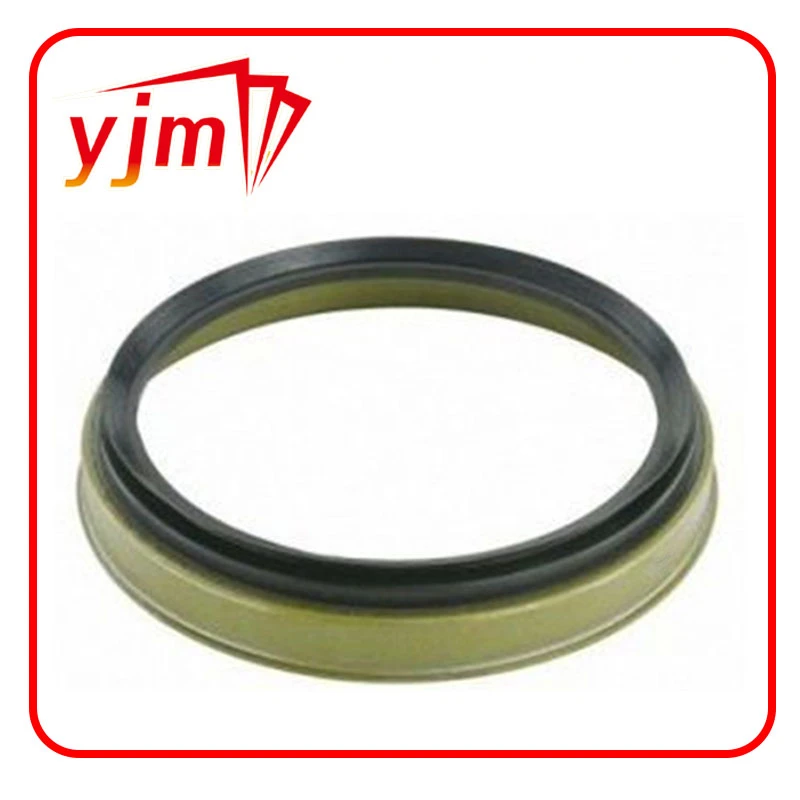
Seal, type v oil 9031287001 TOYOTA
-
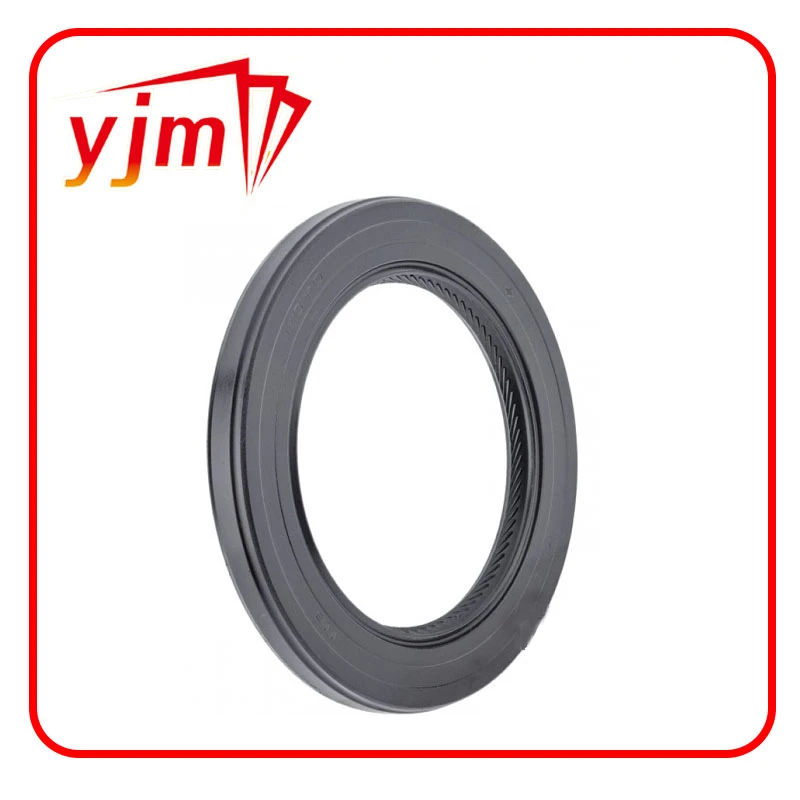
Oil pump seal 9031143010
-
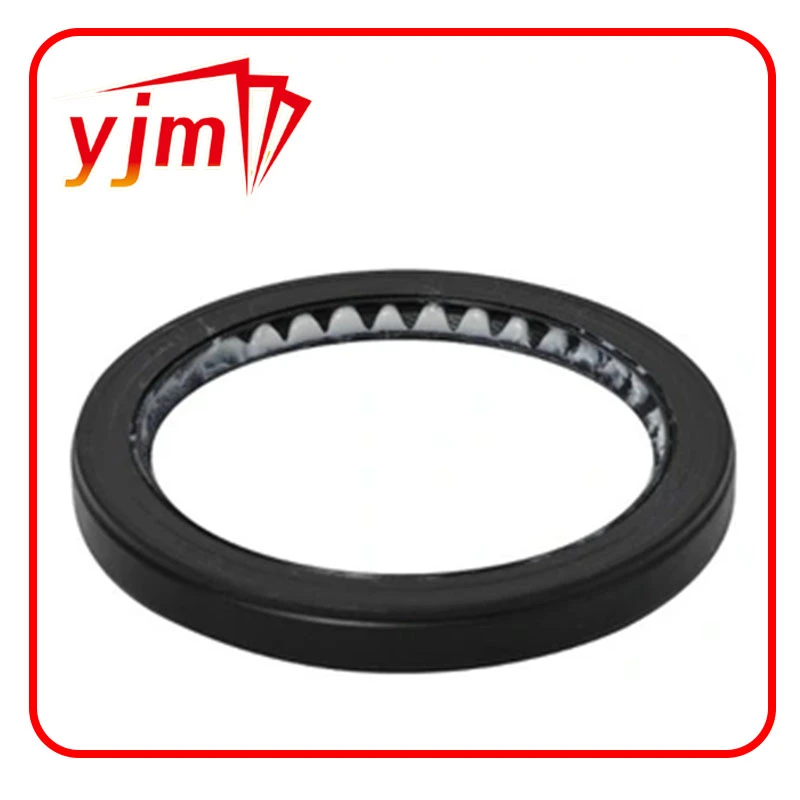
Genuine Toyota Oil SEAL 90311-54006
-
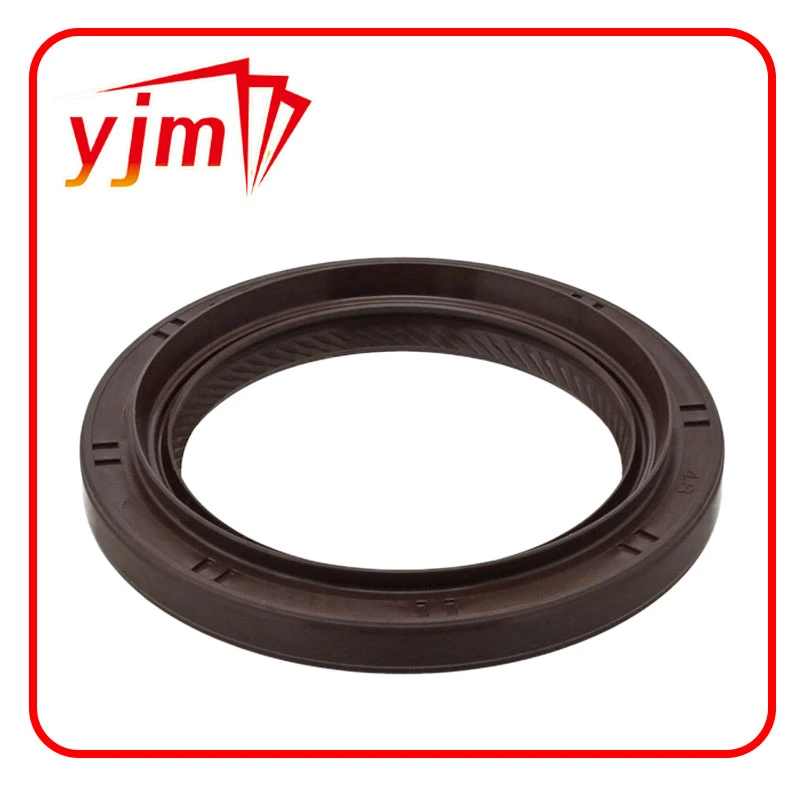
Toyota SEAL TYPE T OIL 90311-48031
-
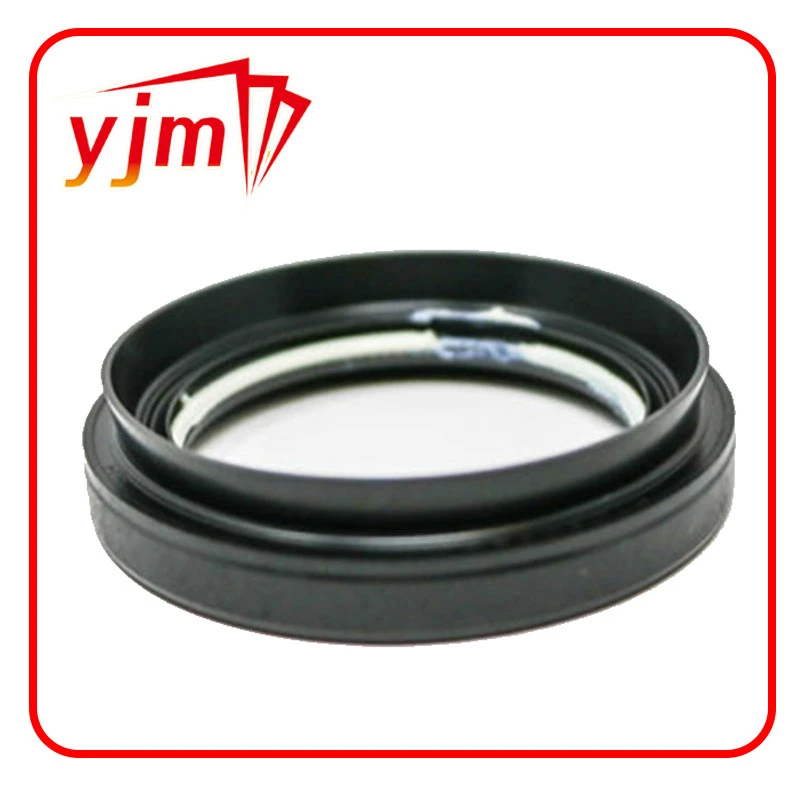
Type T Oil Seal, Front Drive Shaft, Left 9031150064
-
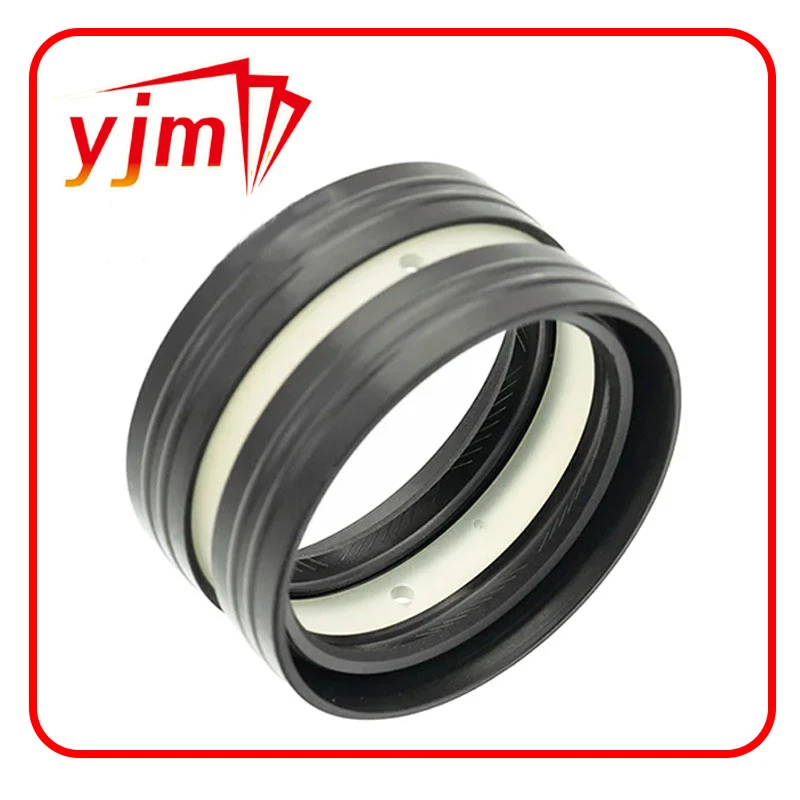
Seal, type d oil 9031634001 TOYOTA
 Afrikaans
 Albanian
 Amharic
 Arabic
 Armenian
 Azerbaijani
 Basque
 Belarusian
 Bengali
 Bosnian
 Bulgarian
 Catalan
 Cebuano
 Corsican
 Croatian
 Czech
Czech
 Danish
 Dutch
Dutch
 Esperanto
 Estonian
 Finnish
 French
 Frisian
 Galician
 Georgian
 German
 Greek
Greek
 Gujarati
 Haitian Creole
 Hausa
Hausa
 Hawaiian
 Hebrew
 Hindi
Hindi
 Miao
Miao
 Hungarian
 Icelandic
 Igbo
Igbo
 Indonesian
 Irish
Irish
 Italian
 Japanese
 Javanese
 Kannada
 Kazakh
 Khmer
Khmer
 Rwandese
 Korean
 Kurdish
 Kyrgyz
 Lao
Lao
 Latin
Latin
 Latvian
 Lithuanian
 Luxembourgish
 Macedonian
 Malgashi
 Malay
Malay
 Malayalam
 Maltese
 Maori
Maori
 Marathi
 Mongolian
 Myanmar
 Nepali
 Norwegian
 Norwegian
 Occitan
 Pashto
 Persian
 Polish
 Portuguese
 Punjabi
 Romanian
 Russian
 Samoan
 Scottish Gaelic
 Serbian
 Sesotho
 Shona
Shona
 Sindhi
 Sinhala
 Slovak
 Slovenian
 Somali
 Spanish
 Sundanese
 Swahili
 Swedish
 Tagalog
 Tajik
Tajik
 Tamil
Tamil
 Tatar
Tatar
 Telugu
 Thai
Thai
 Turkish
 Turkmen
 Ukrainian
 Urdu
Urdu
 Uighur
 Uzbek
Uzbek
 Vietnamese
 Welsh
Welsh
 Bantu
Bantu
 Yiddish
 Yoruba
 Zulu
Zulu
 English