Comprehensive Guide to Front Crank Seal – Key Specifications and Industry Insights
Understanding the Front Crank Seal: Why It Matters More Than You Think
At first glance, a front crank seal might sound like just another obscure automotive component, tucked away under hoods and out of sight. But if you’ve ever dived into the nuts and bolts of engine maintenance, you know it plays a surprisingly vital role. This little ring-shaped piece is not just about keeping the oil in; it’s about preserving engine health, improving longevity, and saving costs on repairs that could spiral out of control. And that’s why understanding the front crank seal is incredibly relevant—not just for car enthusiasts but for an entire global industry relying on reliable, efficient machinery.
Globally, a leaking or broken front crank seal can lead to significant downtime across manufacturing, transportation, and even humanitarian aid delivery vehicles. In a world heavily dependent on mobility and machinery, those tiny seals quietly underpin the wheels of progress.
Global Backdrop: Why the Front Crank Seal Is Universal
Here’s a lesser-known fact: according to ISO 9001 standards, proper sealing technology is essential to reduce machinery failure and environmental contamination. The global automotive aftermarket alone was valued at nearly $400 billion in 2023, with seals like the front crank seal making up a crucial share of that. Faulty seals don’t just cause leaks, they impact emissions, downtime, and repair costs, all of which ripple through economies and supply chains.
Take, for instance, regions like Southeast Asia, where rising vehicle ownership rates (+6.5% annually) put more strain on vehicle maintenance and replacement parts.1 Front crank seal failures are a common headache here, and that means parts that guarantee durability and ease of replacement are not a luxury — they’re necessities. Without robust sealing solutions, vehicles risk performance issues in extreme climates or heavier use scenarios.
What Exactly Is a Front Crank Seal?
In plain terms: the front crank seal is an oil seal located at the front end of an engine's crankshaft. Its job is to keep oil inside the engine while preventing dirt, debris, and contaminants from sneaking in. If it fails, you get oil leaks—leading to messy engines, slipping belts, or worse, total engine damage.
In modern industries, where uptime and efficiency reign supreme, this small seal can make or break operations—whether that's agricultural machinery in remote villages or heavy-duty trucks transporting goods across continents.
Main Components and Key Features
- Material Composition: Most front crank seals are made of silicone, nitrile rubber, or PTFE, each with different heat and chemical resistances.
- Spring Tension: A garter spring ensures that the seal lips maintain constant pressure against the crankshaft.
- Seal Lip Design: Modern designs include dust lips to prevent contaminants from reaching the sealing surface.
- Thickness & Diameter: Engine-specific, impacting fit and ability to prevent leaks.
It’s these components that engineers carefully tweak, balancing durability versus flexibility to achieve a long-lasting, leak-proof solution—no easy feat in the ever-changing environment of an engine bay.
Mini Takeaway:
Knowing what goes into a front crank seal helps you appreciate how critical even the smallest parts are. They blend materials science with mechanical precision, creating a product that’s quietly heroic.
Where Do Front Crank Seals Really Make a Difference?
From bustling urban centers to isolated industrial outposts, front crank seals find their way into many sectors:
- Automotive Manufacturing: Passenger cars, commercial trucks, and motorcycles.
- Heavy Machinery: Construction equipment, mining vehicles.
- Agriculture: Tractors and harvesters in developing countries.
- Humanitarian Aid Vehicles: Trucks operating in disaster zones require trusted seals to avoid unexpected failures.
Interestingly, NGOs supporting disaster relief campaigns rely heavily on machines whose engines won’t fail mid-operation. Front crank seal reliability often means the difference between success and costly downtime.
Front Crank Seal Specifications at a Glance
| Specification | Typical Range | Notes |
|---|---|---|
| Outer Diameter (mm) | 30–100+ | Depends on engine size/type |
| Inner Diameter (shaft size) (mm) | 20–90 | Custom fit essential to prevent leaks |
| Material | Nitrile rubber, silicone, PTFE | Material chosen based on heat & chemical resistance |
| Temperature range | -40°C to 150°C | Varies with material |
| Spring type | Garter spring | Ensures lip seal pressure |
Comparing Leading Front Crank Seal Vendors
| Vendor | Materials Used | Typical Application | Price Range (USD) | Certification |
|---|---|---|---|---|
| YJM Seal | Nitrile rubber, PTFE-lined | Passenger cars, industrial vehicles | $5–$15 | ISO 9001, TS 16949 |
| SKF | Silicone, fluorocarbon | Heavy machinery, aviation | $10–$25 | ISO 14001, OHSAS 18001 |
| Freudenberg | PTFE, advanced composites | Premium applications, motorsport | $20–$35 | IATF 16949, ISO 9001 |
Why Choose a Quality Front Crank Seal? The Long-Term Payoff
Beyond just sealing oil inside your engine, a properly designed front crank seal brings multiple advantages:
- Cost-efficiency: Less frequent leak repairs, extended engine life.
- Sustainability: Reduces oil contamination and environmental harm over time.
- Reliability: Minimizes unexpected breakdowns, increasing trust in machinery.
- Safety: Prevents slippery road hazards caused by oil leaks.
Emotionally, anyone who’s wrestled with the frustration of oil leaks will tell you: peace of mind is priceless.
Emerging Trends in Front Crank Seal Technology
The next generation of front crank seals is more than rubber rings and springs. Advanced polymers and nanocoatings are being developed to extend seal life and reduce friction. Automation in manufacturing ensures tighter tolerances and consistency. Also, the push toward greener engines means seals must withstand biofuels and electric motor environments — or adapt entirely.
Digital IoT sensors integrated with seals are even under early review, providing real-time feedback on seal health. That’s innovation, slowly yet surely transforming how we maintain engines worldwide.
Common Front Crank Seal Challenges and How to Solve Them
Common issues include premature wear caused by heat and rough shaft finishes, improper installation, and incompatible materials with new synthetic oils. Fixes come in the form of:
- Material upgrades: Using PTFE composites to handle newer harsh engine fluids.
- Improved installation tools: Ensuring seals are fitted without damage.
- Custom designs: Tailoring seals for specific engine models or climates.
Many manufacturers and mechanics swear by routine inspections paired with high-quality seals — proactive maintenance beats reactive repairs every time.
FAQ: Frequently Asked Questions About Front Crank Seals
- How do I know if my front crank seal is failing?
- You’ll likely notice oil leaks around the front of the engine, oil spots under your vehicle, or sometimes a burning smell when oil contacts hot parts. Over time, engine performance may suffer due to low oil levels.
- Can I replace a front crank seal myself?
- While it’s possible for experienced DIYers, replacement often requires removing the timing cover and other components. It’s best handled by a professional to avoid damaging the seal or engine.
- How long does a front crank seal typically last?
- Generally, they last around 70,000–100,000 miles. However, factors like driving conditions, engine heat, and oil quality can shorten or extend this lifespan.
- Are all front crank seals the same size?
- No, sizes vary widely depending on engine make and model. Always check manufacturer specs or consult a trusted parts supplier to find a perfect fit.
- Can the wrong type of front crank seal cause engine damage?
- Absolutely. An ill-fitting or incompatible seal can lead to oil leaks and contamination, risking serious engine damage and costly repairs.
Wrapping It Up: The Unsung Hero of Reliable Engines
To sum it all, the front crank seal may be small, but its impact is mighty. In real terms, investing in quality seals means smoother rides, less downtime, and benefits that ripple from private owners to huge logistics fleets. As engines evolve, so too must their seals — making it an exciting space for engineers and end-users alike.
If you’re hunting for trusted front crank seals that balance quality and affordability, don’t hesitate to check out YJM Seal — they’re known for reliability and global reach.
So next time you think “just another seal,” remember: that tiny ring keeps a world of machines moving.
References
- International Organization for Standardization (ISO) - iso.org
- World Bank - Global Vehicle Ownership Statistics, 2023
- Wikipedia: Oil Seal
-
Guide to Choosing the Right Washer for Oil Change and Sealing
News Apr.16,2026
-
Essential Guide to High Quality rubber washer oil drain plug
News Apr.09,2026
-
Understanding Rubber Crush Washers for Optimal Sealing Performance
News Apr.07,2026
-
Comprehensive Guide to Understanding and Reusing Crush Washer for Optimal Sealing
News Apr.04,2026
-
The Vital Role of a Drain Screw Gasket in Fluid System Integrity
News Mar.31,2026
-
The Essential Guide to Drain Crush Washer Selection and Plumbing Leak Prevention
News Mar.28,2026
-
The Vital Role of a Crush Washer in Oil Changes for Engine Protection
News Mar.26,2026
Products categories
-
Brass cutlass marine bearing
-
Genuine OEM Engine Oil Filter Housing Cover O-Ring For VW/Audi 06E115446
-
Oil Filter Stand Gasket,Oil filter cover seal
-
Oil Cooler Gasket, Oil Cooler to Oil Filter Housing 11427525335
-
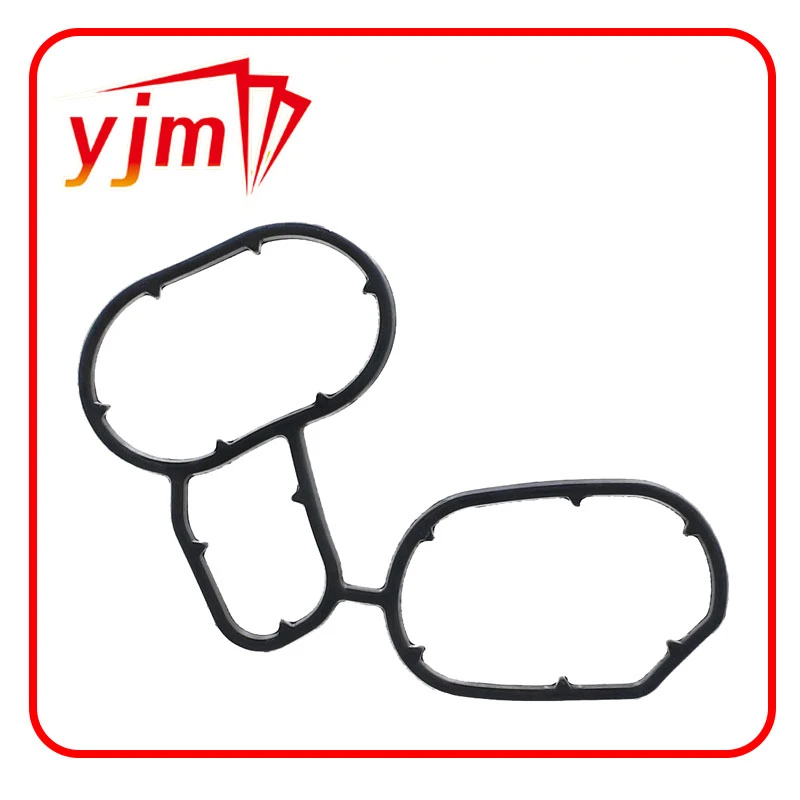
11427508970 BMW - OIL FILTER HOUSING GASKETS
-
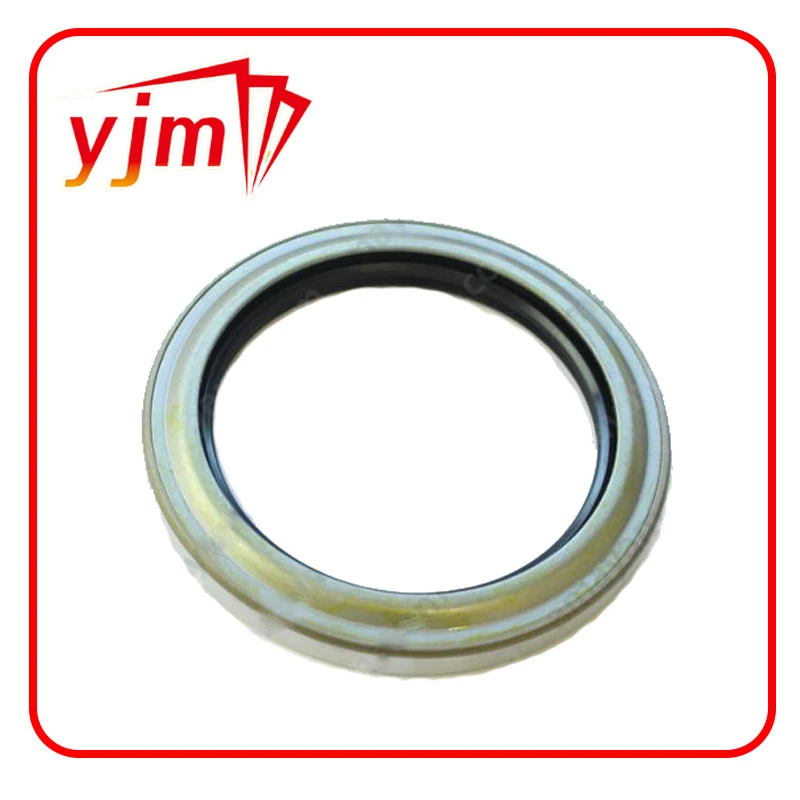
SEAL, OIL Genuine Toyota (9031170011)
-
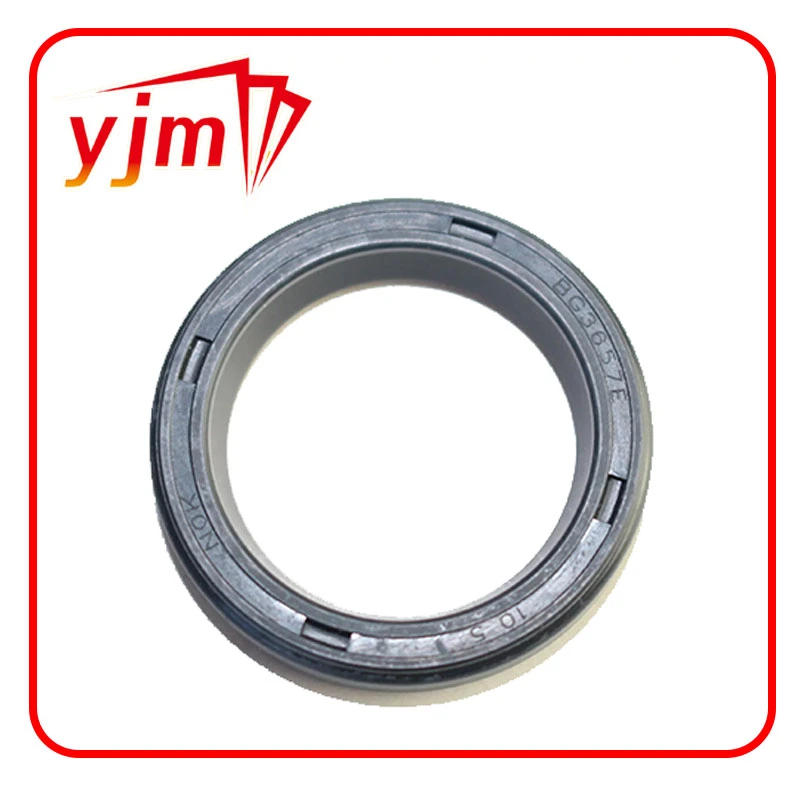
Transfer Case Output Shaft Seal Part 9031223001
-
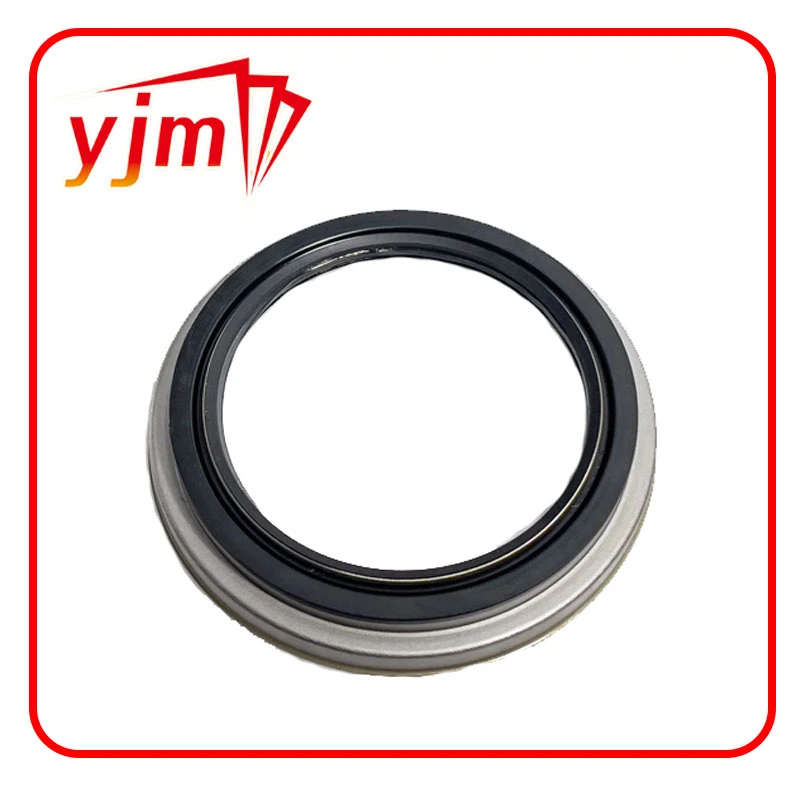
SEAL, OIL Genuine Toyota (9031672001)
-
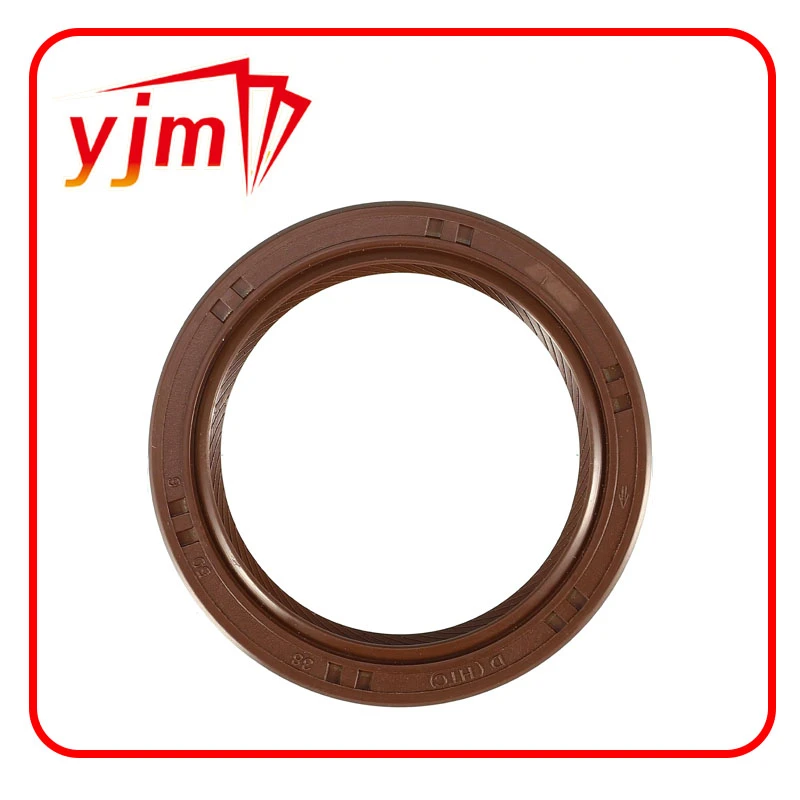
Engine Crankshaft Oil Seal No.9031138096
-
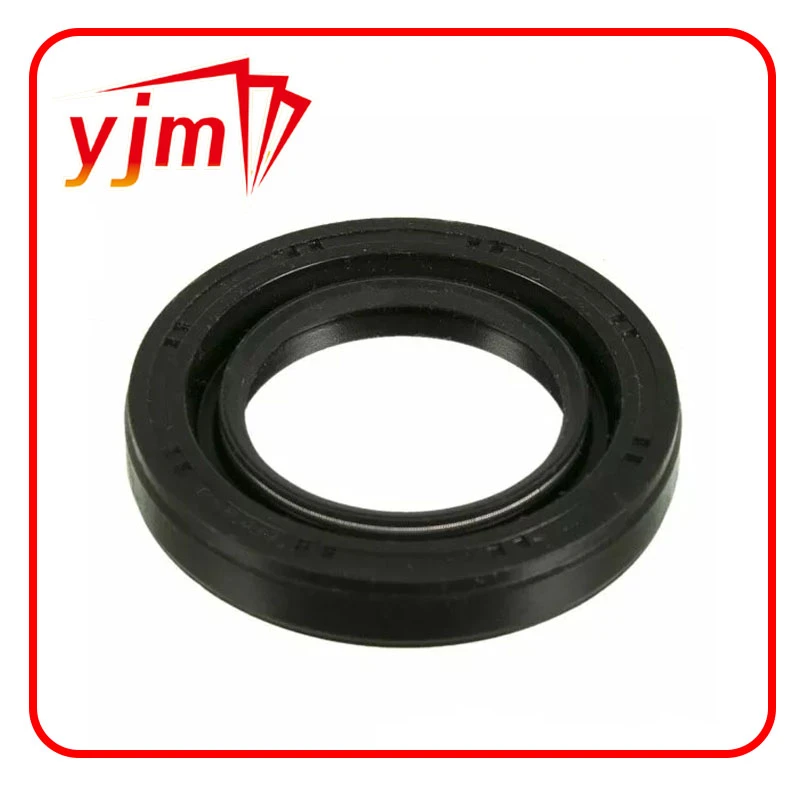
Toyota Transfer Case Output Shaft Seal Front 9031136006
-
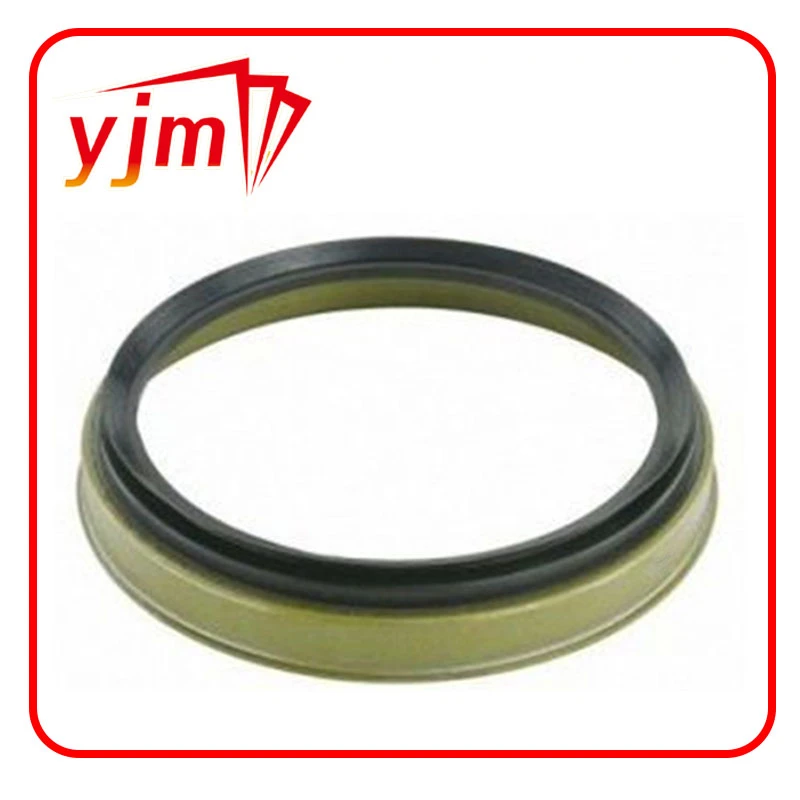
Seal, type v oil 9031287001 TOYOTA
-
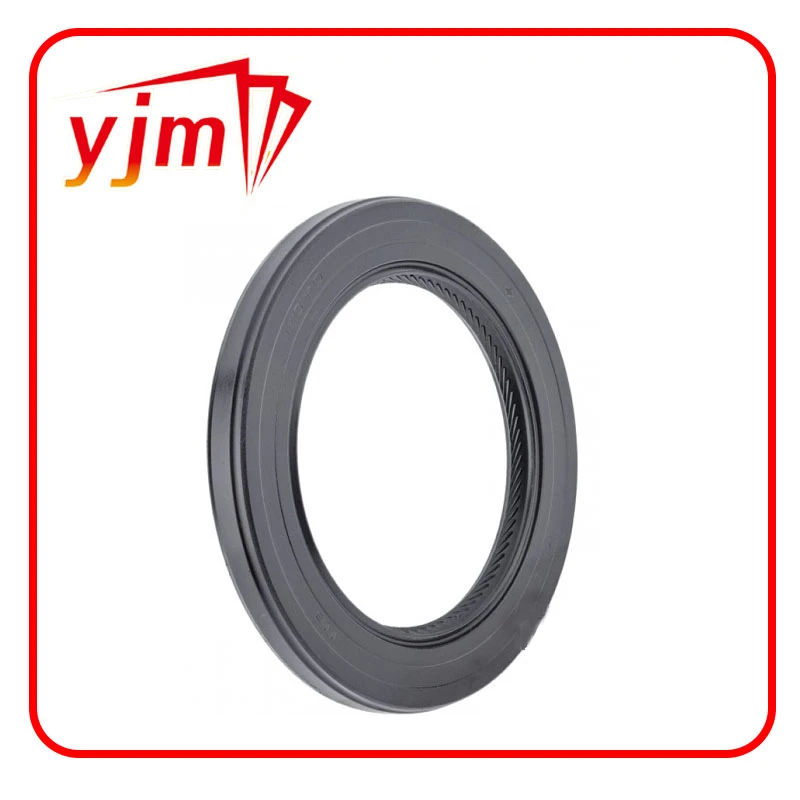
Oil pump seal 9031143010
-
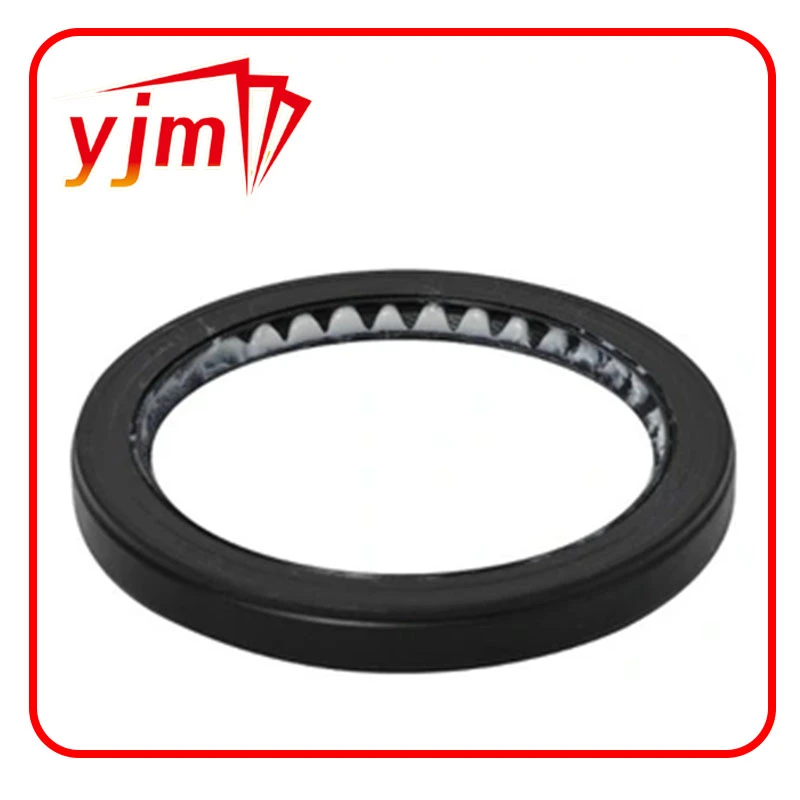
Genuine Toyota Oil SEAL 90311-54006
-
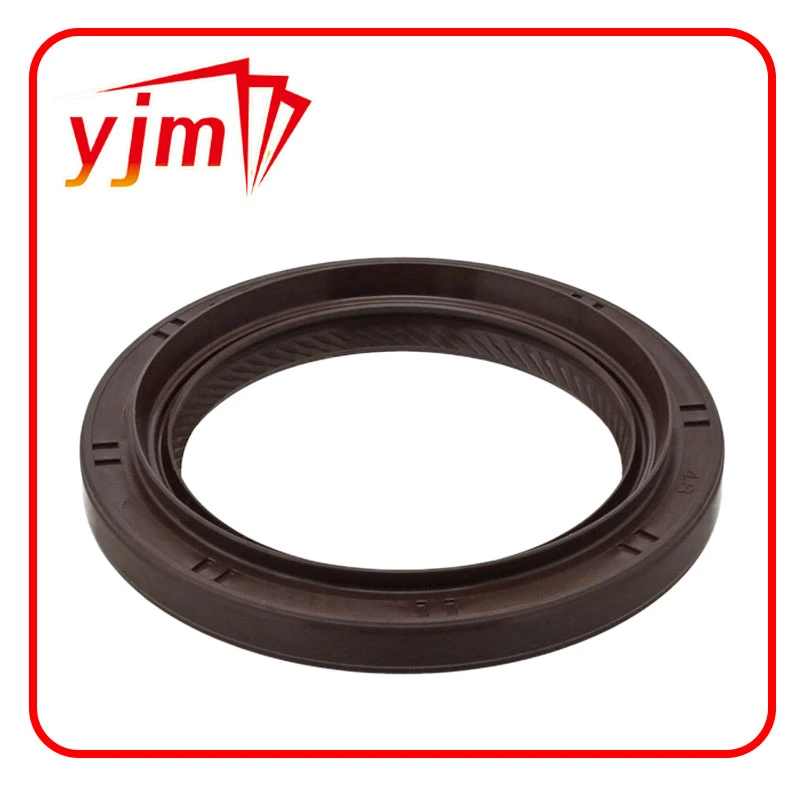
Toyota SEAL TYPE T OIL 90311-48031
-
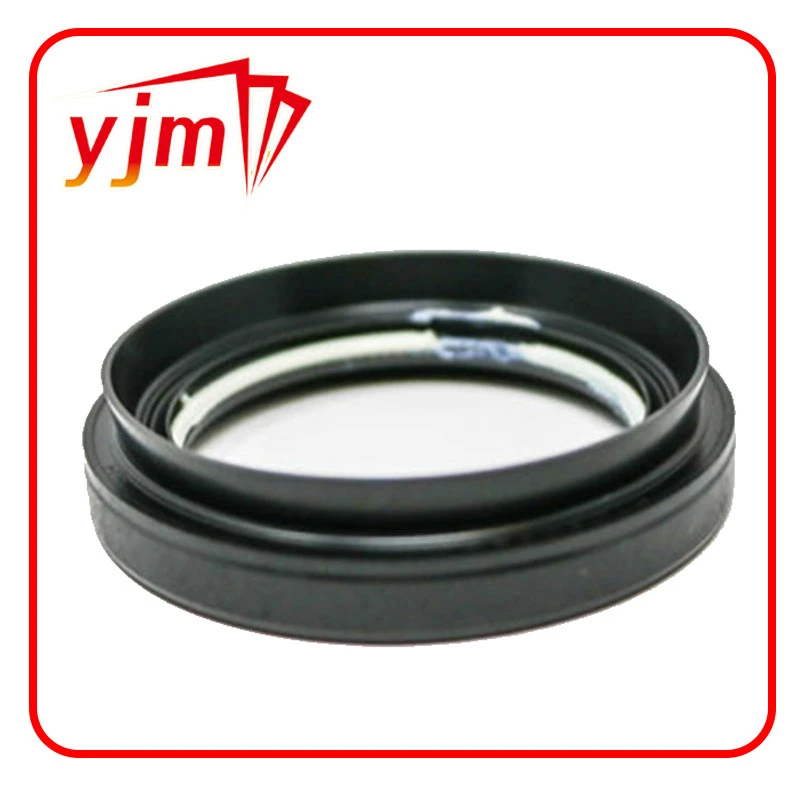
Type T Oil Seal, Front Drive Shaft, Left 9031150064
-
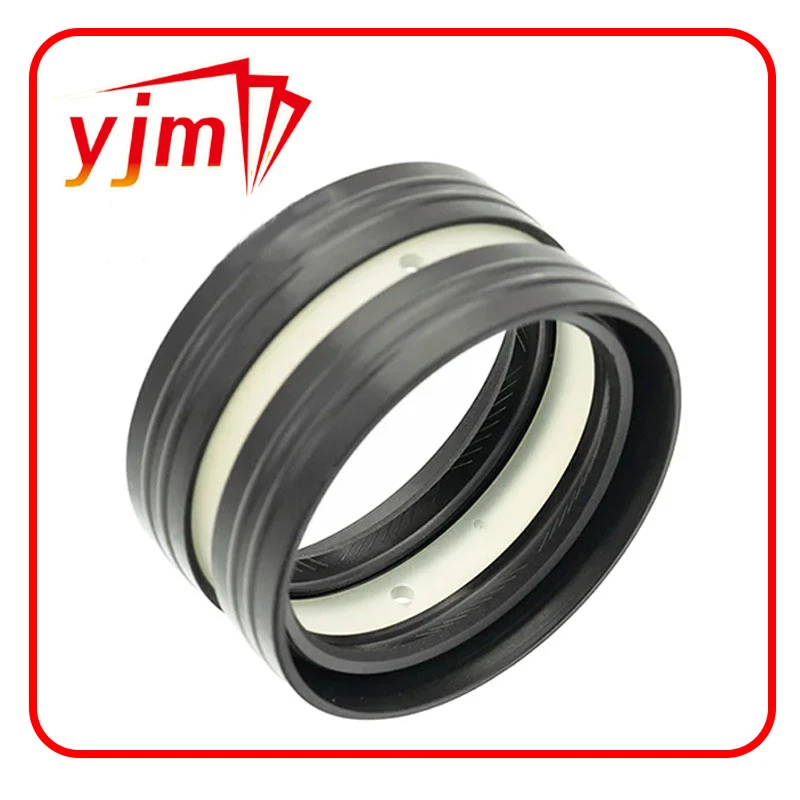
Seal, type d oil 9031634001 TOYOTA
 Afrikaans
 Albanian
 Amharic
 Arabic
 Armenian
 Azerbaijani
 Basque
 Belarusian
 Bengali
 Bosnian
 Bulgarian
 Catalan
 Cebuano
 Corsican
 Croatian
 Czech
Czech
 Danish
 Dutch
Dutch
 Esperanto
 Estonian
 Finnish
 French
 Frisian
 Galician
 Georgian
 German
 Greek
Greek
 Gujarati
 Haitian Creole
 Hausa
Hausa
 Hawaiian
 Hebrew
 Hindi
Hindi
 Miao
Miao
 Hungarian
 Icelandic
 Igbo
Igbo
 Indonesian
 Irish
Irish
 Italian
 Japanese
 Javanese
 Kannada
 Kazakh
 Khmer
Khmer
 Rwandese
 Korean
 Kurdish
 Kyrgyz
 Lao
Lao
 Latin
Latin
 Latvian
 Lithuanian
 Luxembourgish
 Macedonian
 Malgashi
 Malay
Malay
 Malayalam
 Maltese
 Maori
Maori
 Marathi
 Mongolian
 Myanmar
 Nepali
 Norwegian
 Norwegian
 Occitan
 Pashto
 Persian
 Polish
 Portuguese
 Punjabi
 Romanian
 Russian
 Samoan
 Scottish Gaelic
 Serbian
 Sesotho
 Shona
Shona
 Sindhi
 Sinhala
 Slovak
 Slovenian
 Somali
 Spanish
 Sundanese
 Swahili
 Swedish
 Tagalog
 Tajik
Tajik
 Tamil
Tamil
 Tatar
Tatar
 Telugu
 Thai
Thai
 Turkish
 Turkmen
 Ukrainian
 Urdu
Urdu
 Uighur
 Uzbek
Uzbek
 Vietnamese
 Welsh
Welsh
 Bantu
Bantu
 Yiddish
 Yoruba
 Zulu
Zulu
 English