Front and Rear Crankshaft Seals: The Engine's Unsung Heroes for Reliability and Efficiency
Understanding Front and Rear Crankshaft Seals: Essential Components for Engine Reliability
When diving into the mechanics of engines, especially in automotive and industrial applications, front and rear crankshaft seals might not be the flashiest parts, but they are undeniably crucial. These seals help maintain the integrity of your engine by preventing oil leaks and protecting against harmful contaminants. Globally, their role ties directly into engine durability, efficiency, and environmental impact, given the billions of engines powering vehicles, machinery, and equipment worldwide.
Why Front and Rear Crankshaft Seals Matter Globally
Consider this: According to the International Organization for Standardization (ISO), proper sealing components influence engine efficiency and emissions significantly. With over 1.4 billion vehicles in operation globally (World Bank data, 2023), and countless machines using crankshaft systems, the demand for reliable seals is higher than ever. Front and rear crankshaft seals address a critical challenge — preventing oil leakage and contamination that can lead to engine failure or increased emissions. That’s why understanding their role can benefit manufacturers, mechanics, and end-users alike.
Defining Front and Rear Crankshaft Seals
Simply put, front and rear crankshaft seals are rubber or composite rings mounted around the rotating crankshaft at its ends. Their job is to keep lubricating oil inside the engine while blocking dirt, dust, and moisture from entering. The “front” seal is located where the crankshaft connects to the timing assembly or the front part of the engine, while the “rear” seal sits at the opposite end, often where the transmission mounts. This basic yet vital component helps ensure engines run smoothly without leaks.
The relevance extends beyond everyday driving. Industries reliant on engines—including agriculture, construction, and even humanitarian relief logistics—depend on the reliability these seals provide.
Key Aspects of Front and Rear Crankshaft Seals
1. Durability
These seals must withstand continuous rotation, exposure to hot oil, and varying temperatures, often from -40°C to over 150°C. High-quality materials like fluorocarbon elastomers or nitrile rubber are common, offering wear resistance and elasticity.
2. Precision Engineering
A seal's effectiveness depends heavily on precision manufacturing tolerances. A tiny misalignment can cause premature wear or leaks — so exact fit and finish are non-negotiable.
3. Compatibility and Scalability
Different engines require seals in varying sizes and resilience levels. Scalability to fit from motorcycle engines to large industrial diesel engines is key for manufacturers.
4. Cost Efficiency
While top-tier seals may cost more initially, their contribution to longer engine life and reduced maintenance pays off. Low-cost alternatives can seem appealing but often risk costly repairs down the line.
5. Environmental Resistance
Oil contamination by dust or moisture reduces engine efficiency and causes wear. Seals with chemical resistance properties help engines maintain peak performance under harsh conditions.
Front and Rear Crankshaft Seals Product Specifications
| Spec | Typical Value | Notes |
|---|---|---|
| Material | Viton (FKM), Nitrile (NBR) | Depends on application temp and chemicals |
| Operating Temp Range | -40°C to 150°C | Suits automotive to industrial engines |
| Hardness (Shore A) | 65-85 | Balances flexibility with durability |
| Typical Lifespan | 100,000+ miles / 5-7 years | Depends on engine use and maintenance |
| Design | Single lip with garter spring | Common for standard crankshaft seals |
Global Applications and Industry Use Cases
Front and rear crankshaft seals are everywhere engines exist—in automobiles, marine vessels, construction machinery, and power generators. In developing countries, reliable seals mean less downtime for agricultural equipment, directly affecting food security. In remote industrial zones, durable seals reduce costly maintenance trips. Humanitarian logistics often rely on dependable diesel engines running generators—without efficient seals, those vital systems can fail unexpectedly.
For example, in post-disaster relief operations, rapid deployment of machinery with reliable crankshaft seals ensures continuous support for rescue and rebuilding efforts. Likewise, manufacturers in Europe and Asia continuously optimize these seals for electric hybrid engines, adjusting materials for new lubrication fluids.
Comparison of Leading Front and Rear Crankshaft Seal Vendors
| Vendor | Material Options | Typical Industry Focus | Price Range | Special Features |
|---|---|---|---|---|
| YJM Seal | FKM, NBR, Silicone | Automotive, Industrial | $$ | Custom molds & fast production cycle |
| SKF | NBR, PTFE blends | Automotive, Aerospace | $$$ | Advanced leak prevention technology |
| Freudenberg | FKM, NBR, Polyurethane | Industrial, Heavy Machinery | $$$ | Extended durability materials |
Advantages and Long-Term Benefits
In practical terms, using high-quality front and rear crankshaft seals:
- Reduces Maintenance Costs: By minimizing oil leaks, seals help prevent engine damage and extend service intervals.
- Enhances Engine Efficiency: Less contamination and oil loss means smoother performance and lower emissions.
- Promotes Environmental Responsibility: Proper sealing reduces oil waste, a significant pollutant.
- Increases Safety: Preventing oil leaks helps avoid slippery surfaces and potential fire hazards.
- Builds Trust: Reliable engine operation fosters customer loyalty and brand reputation.
Emerging Trends and Innovations
Oddly enough, even humble components like crankshaft seals are evolving rapidly. New materials infused with graphene enhance durability and thermal stability. Additive manufacturing allows customization at scale, cutting lead times. As the world shifts toward green energy, seals designed for hybrid and electric powertrains are emerging, needing to handle different lubrication conditions. Digital monitoring integration, where seals have embedded sensors to predict leaks or wear, is another exciting frontier.
Challenges and Practical Solutions
Despite all the advances, crankshaft seal failures remain a concern. Heat cycling, rough shaft surfaces, and improper installation often cause premature wear. The solution? Careful quality control, improved precision in machining crankshafts, and selecting seals matched to the specific engine environment. Also, providing clear installation guidelines and training technicians are key; many failures come down to user error.
FAQ: Frequently Asked Questions About Front and Rear Crankshaft Seals
Q1: How do I know if my front or rear crankshaft seal is failing?
A: Look for signs like oil leaks at the engine’s front or rear ends, oil spots under the vehicle, or unusual engine noises. Early detection can prevent severe engine damage.
Q2: Can I replace just one seal, front or rear, or should I do both at once?
A: While you can replace seals individually, it’s often recommended to replace both during major engine overhauls to ensure comprehensive leak prevention and save on labor costs.
Q3: Are aftermarket crankshaft seals reliable?
A: Some aftermarket seals meet OEM standards and perform well, but always verify material quality and compatibility. Using reputable suppliers like front and rear crankshaft seals manufacturers helps guarantee durability.
Q4: How often should these seals be inspected or replaced?
A: Regular checks during oil changes or engine servicing are best. Typical replacement intervals range from 5 to 7 years or 100,000 miles depending on engine use.
Conclusion
In the grand scheme, front and rear crankshaft seals might seem underappreciated, but they are linchpins of engine life and performance. Reliable sealing solutions lower maintenance, boost efficiency, and support environmental progress. If you’re interested in premium-quality seals tailored to your needs, take a look at our product range. Your engine’s longevity deserves nothing less.
Mini takeaway: Investing in dependable front and rear crankshaft seals pays dividends in engine health and operational trust.
References
-
Essential Guide to High Quality rubber washer oil drain plug
News Apr.09,2026
-
Understanding Rubber Crush Washers for Optimal Sealing Performance
News Apr.07,2026
-
Comprehensive Guide to Understanding and Reusing Crush Washer for Optimal Sealing
News Apr.04,2026
-
The Vital Role of a Drain Screw Gasket in Fluid System Integrity
News Mar.31,2026
-
The Essential Guide to Drain Crush Washer Selection and Plumbing Leak Prevention
News Mar.28,2026
-
The Vital Role of a Crush Washer in Oil Changes for Engine Protection
News Mar.26,2026
-
The Critical Role of an 18mm Drain Plug Washer in Maintaining System Integrity
News Mar.24,2026
Products categories
-
Brass cutlass marine bearing
-
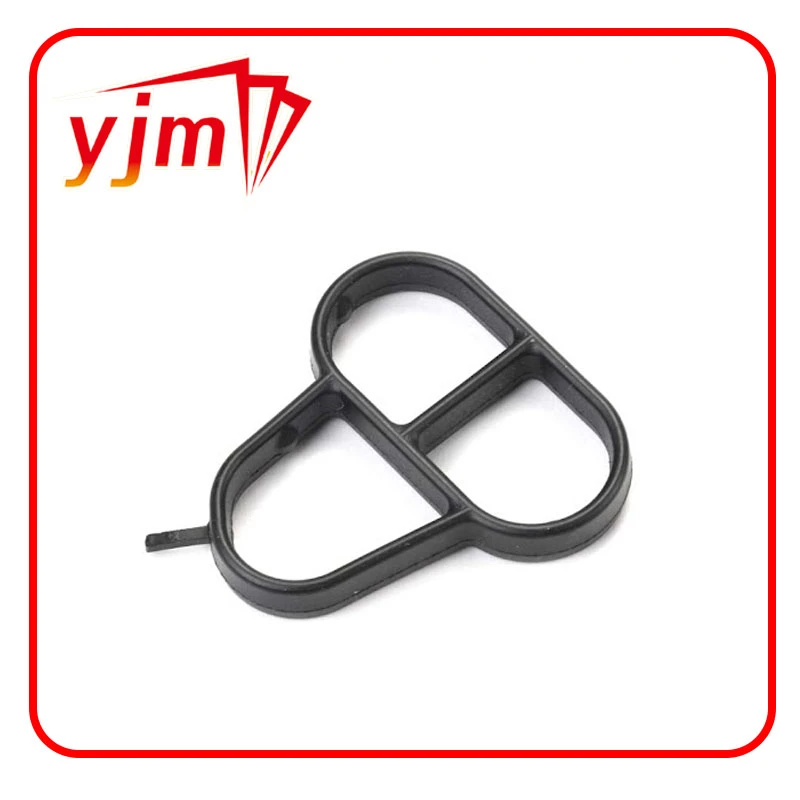
Genuine OEM Engine Oil Filter Housing Cover O-Ring For VW/Audi 06E115446
-
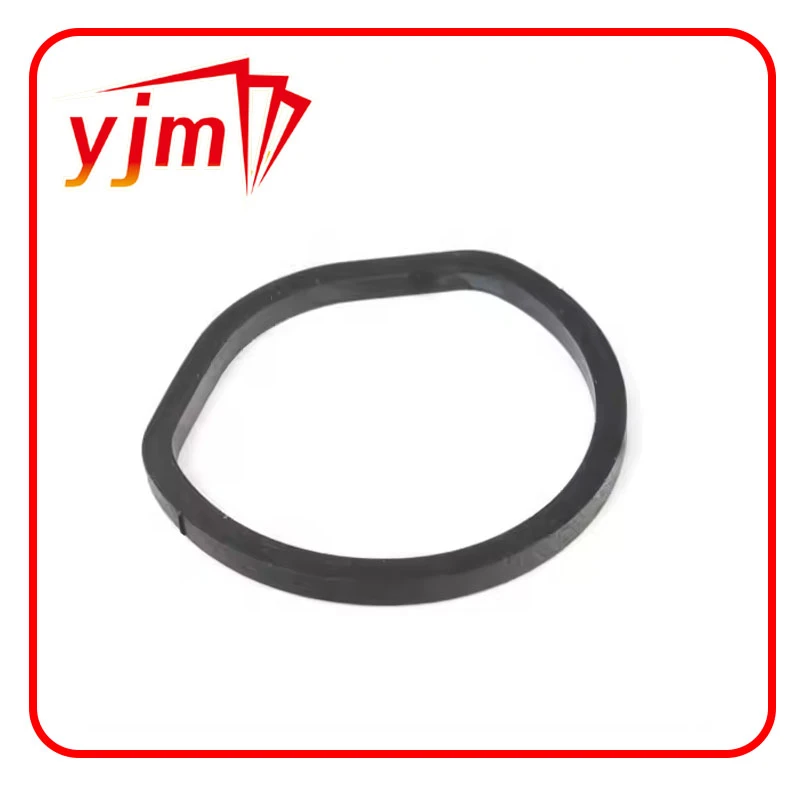
Oil Filter Stand Gasket,Oil filter cover seal
-
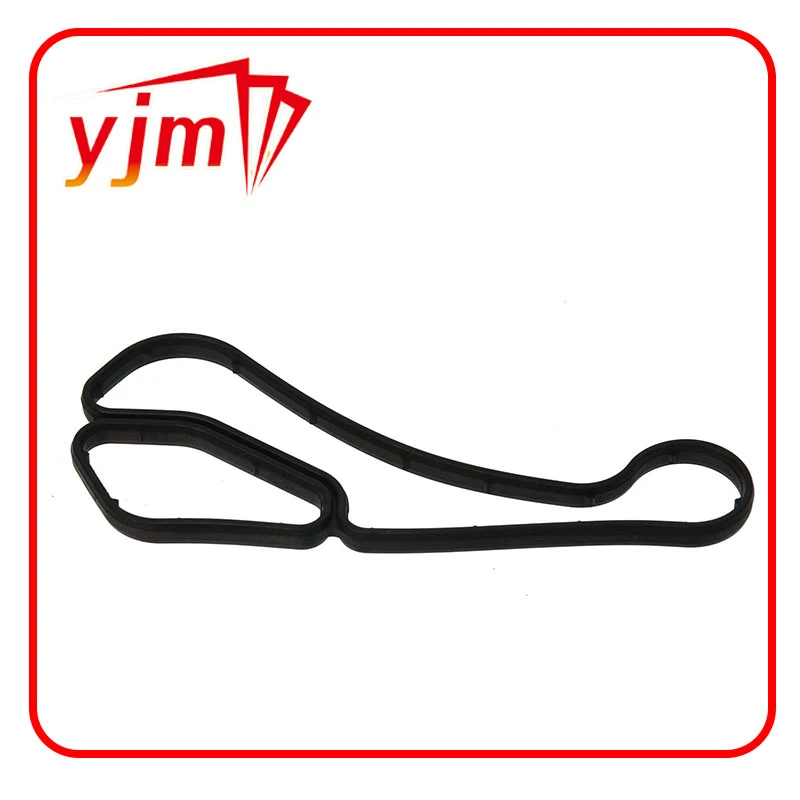
Oil Cooler Gasket, Oil Cooler to Oil Filter Housing 11427525335
-
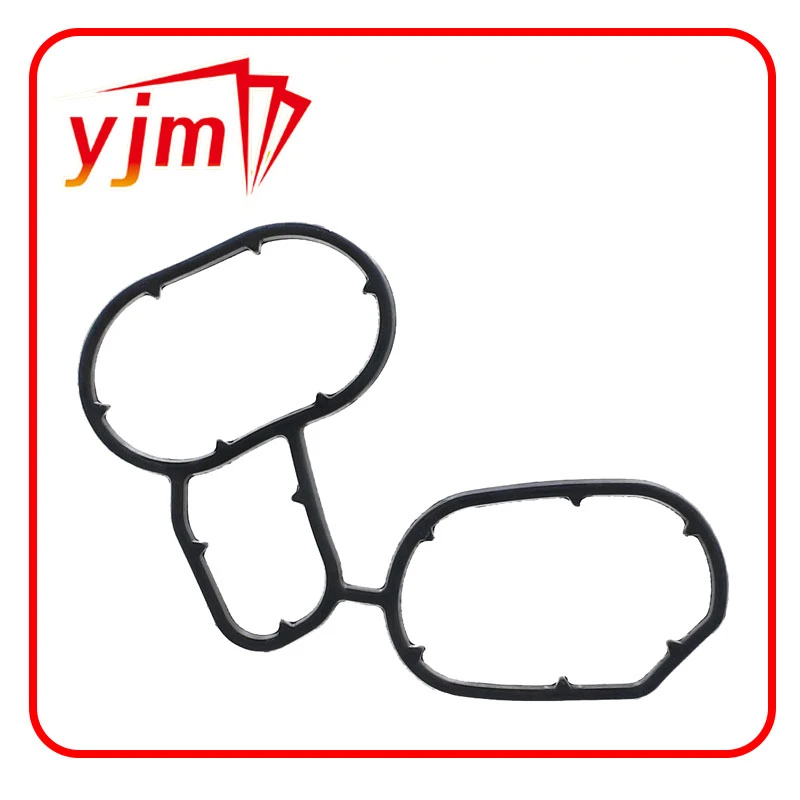
11427508970 BMW - OIL FILTER HOUSING GASKETS
-
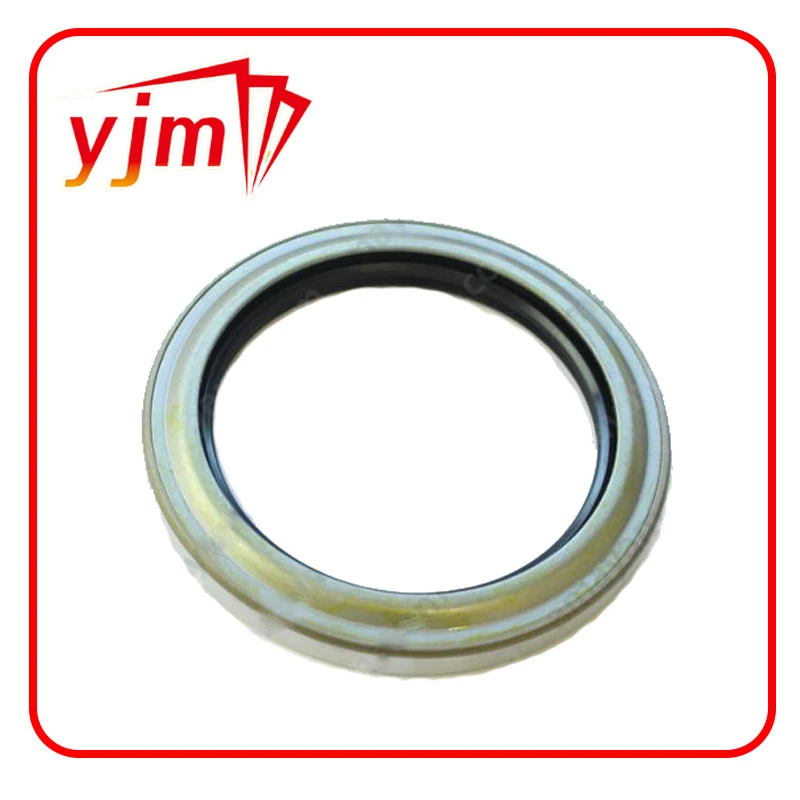
SEAL, OIL Genuine Toyota (9031170011)
-
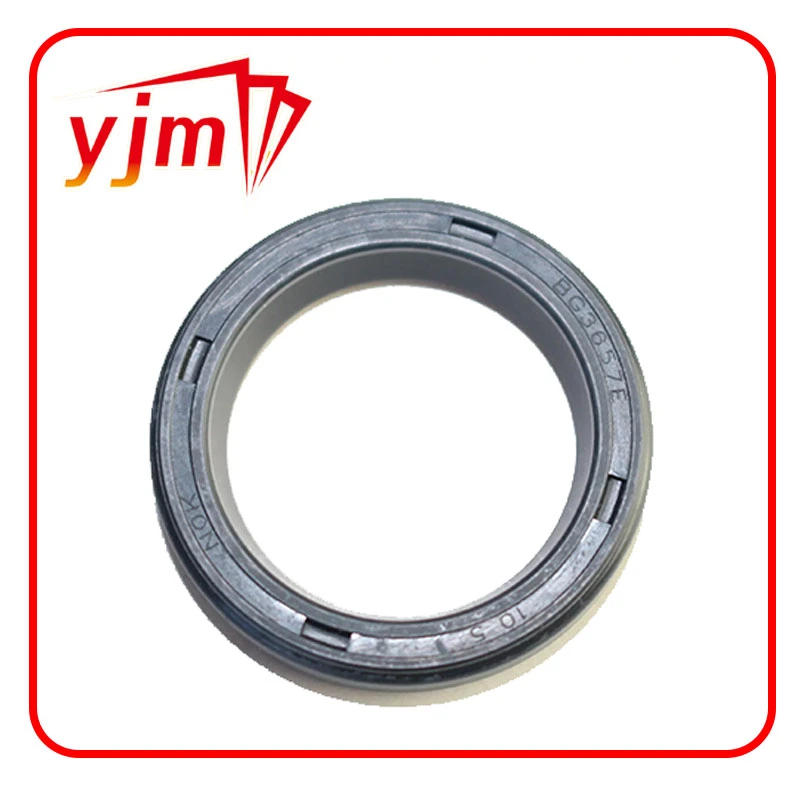
Transfer Case Output Shaft Seal Part 9031223001
-
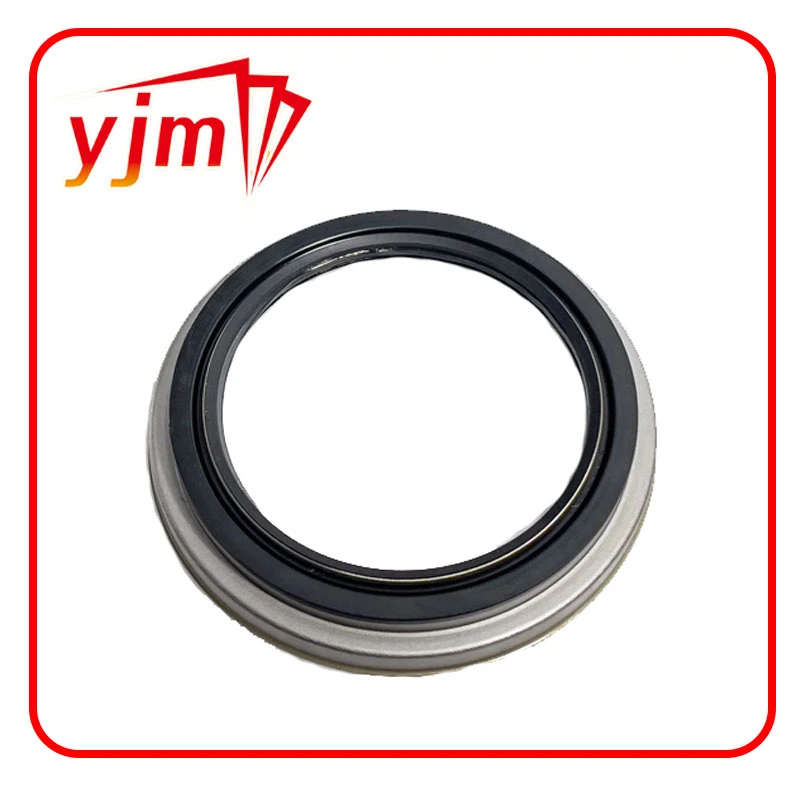
SEAL, OIL Genuine Toyota (9031672001)
-
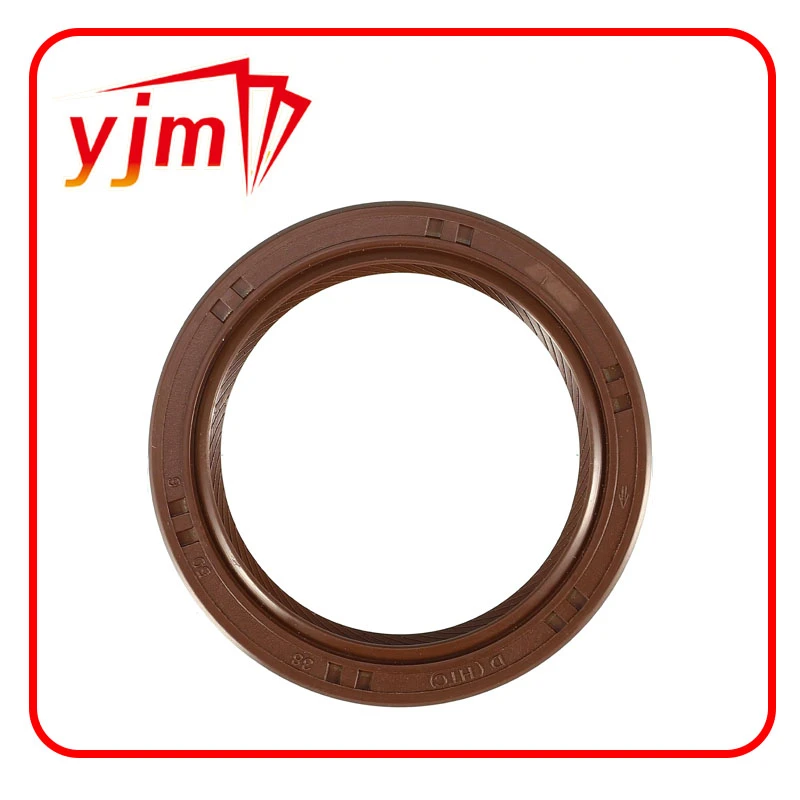
Engine Crankshaft Oil Seal No.9031138096
-
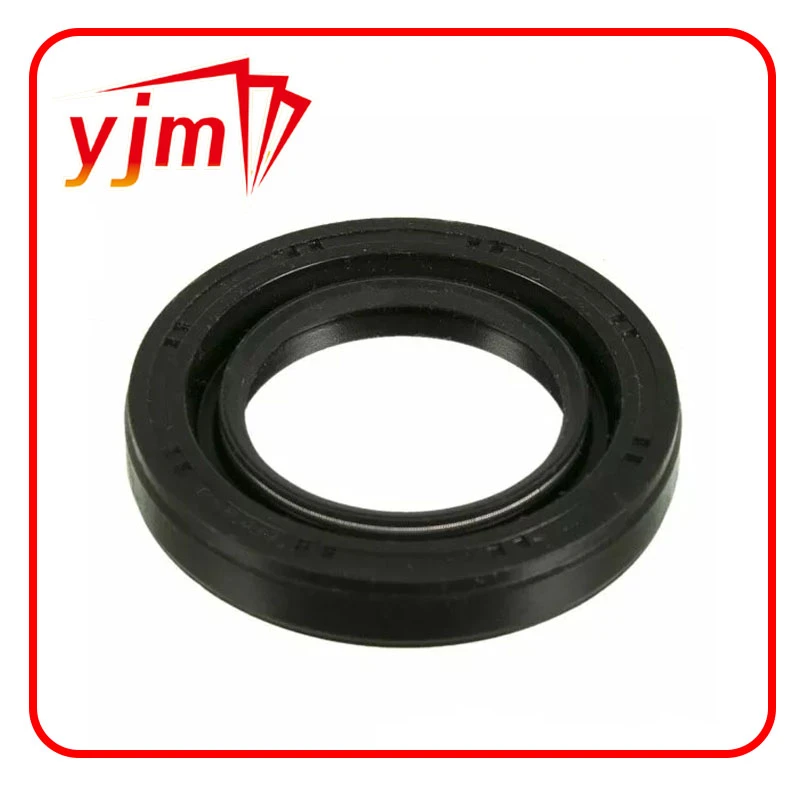
Toyota Transfer Case Output Shaft Seal Front 9031136006
-
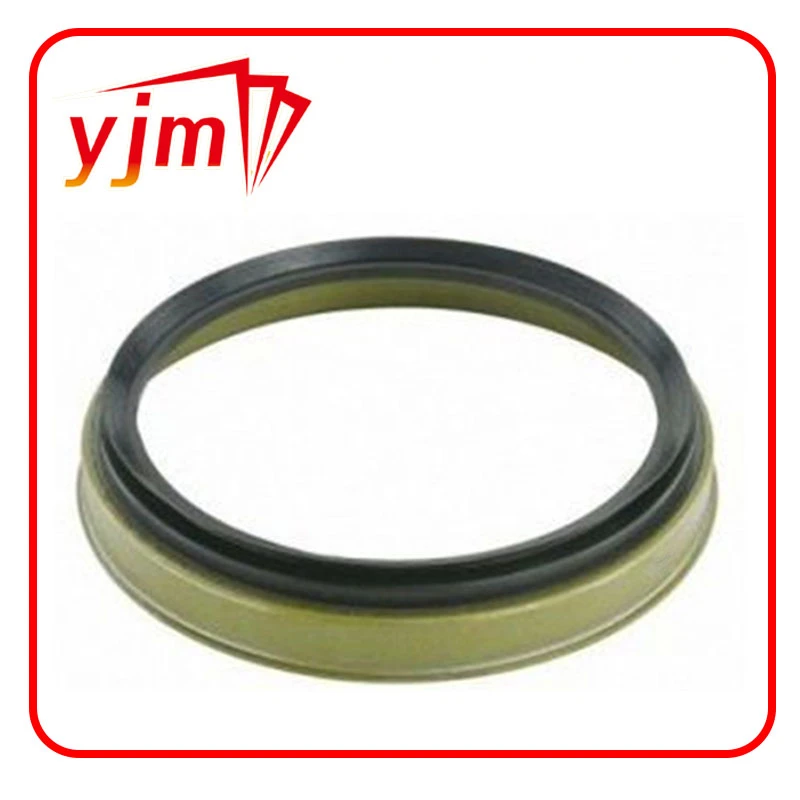
Seal, type v oil 9031287001 TOYOTA
-
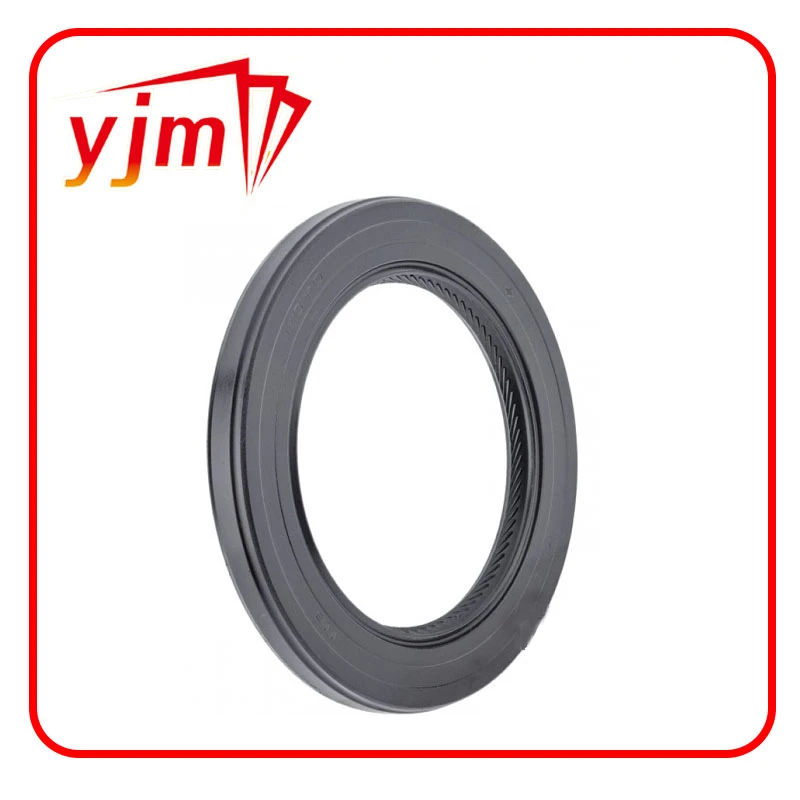
Oil pump seal 9031143010
-
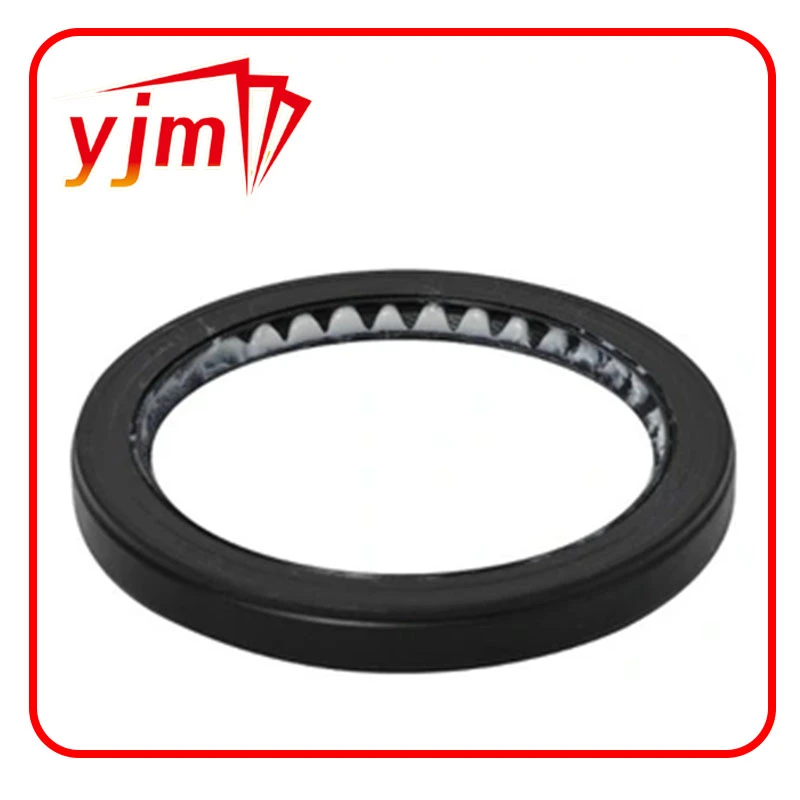
Genuine Toyota Oil SEAL 90311-54006
-
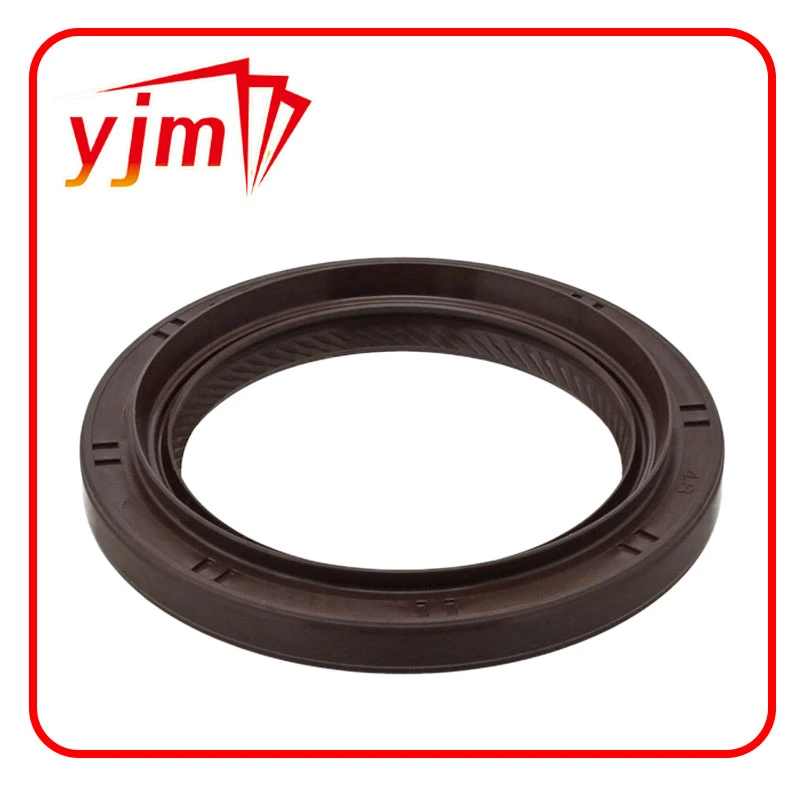
Toyota SEAL TYPE T OIL 90311-48031
-
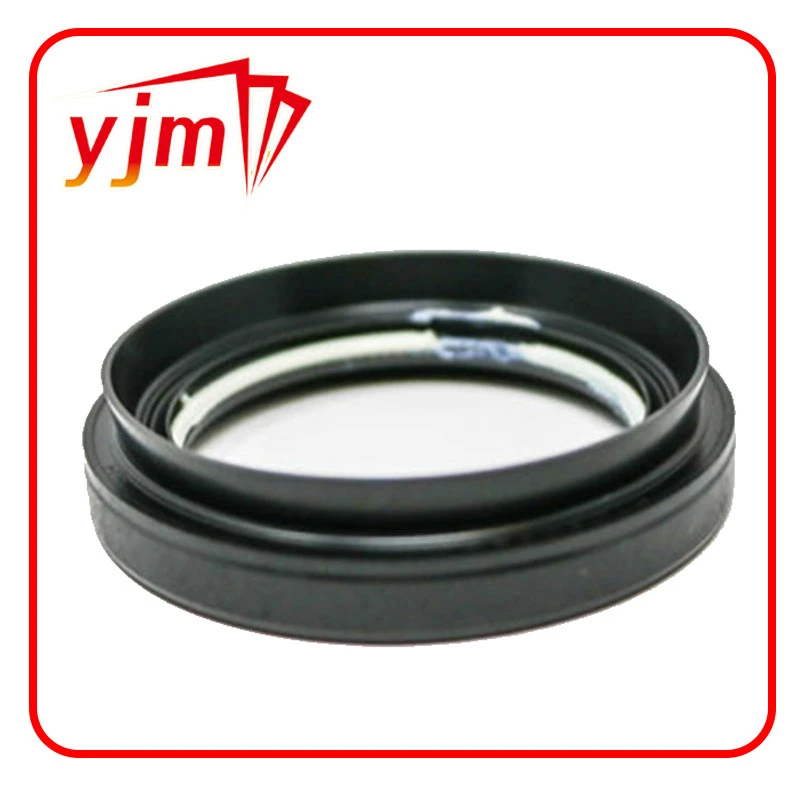
Type T Oil Seal, Front Drive Shaft, Left 9031150064
-
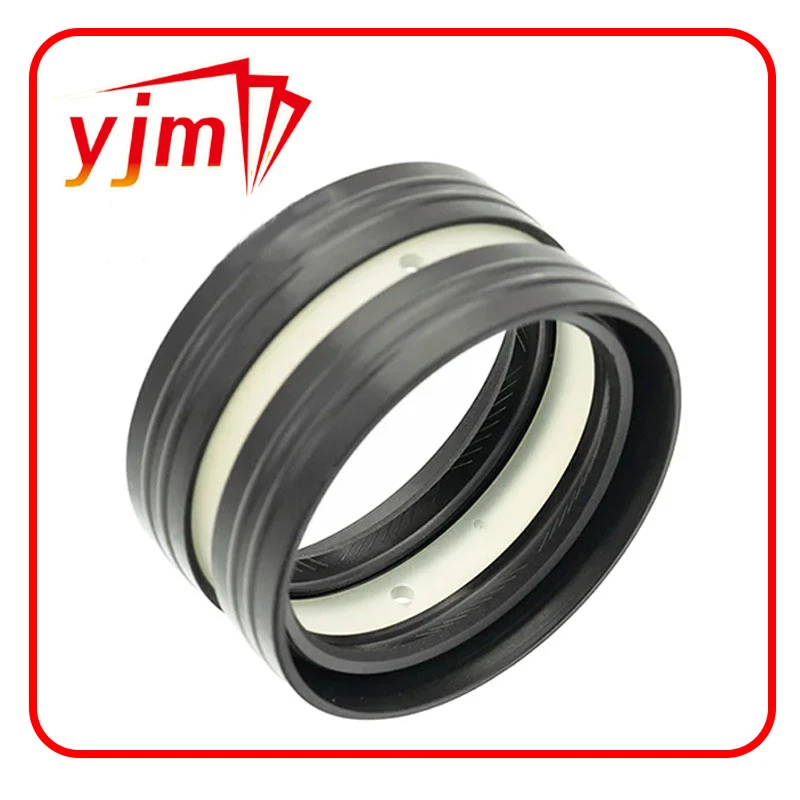
Seal, type d oil 9031634001 TOYOTA
 Afrikaans
 Albanian
 Amharic
 Arabic
 Armenian
 Azerbaijani
 Basque
 Belarusian
 Bengali
 Bosnian
 Bulgarian
 Catalan
 Cebuano
 Corsican
 Croatian
 Czech
Czech
 Danish
 Dutch
Dutch
 Esperanto
 Estonian
 Finnish
 French
 Frisian
 Galician
 Georgian
 German
 Greek
Greek
 Gujarati
 Haitian Creole
 Hausa
Hausa
 Hawaiian
 Hebrew
 Hindi
Hindi
 Miao
Miao
 Hungarian
 Icelandic
 Igbo
Igbo
 Indonesian
 Irish
Irish
 Italian
 Japanese
 Javanese
 Kannada
 Kazakh
 Khmer
Khmer
 Rwandese
 Korean
 Kurdish
 Kyrgyz
 Lao
Lao
 Latin
Latin
 Latvian
 Lithuanian
 Luxembourgish
 Macedonian
 Malgashi
 Malay
Malay
 Malayalam
 Maltese
 Maori
Maori
 Marathi
 Mongolian
 Myanmar
 Nepali
 Norwegian
 Norwegian
 Occitan
 Pashto
 Persian
 Polish
 Portuguese
 Punjabi
 Romanian
 Russian
 Samoan
 Scottish Gaelic
 Serbian
 Sesotho
 Shona
Shona
 Sindhi
 Sinhala
 Slovak
 Slovenian
 Somali
 Spanish
 Sundanese
 Swahili
 Swedish
 Tagalog
 Tajik
Tajik
 Tamil
Tamil
 Tatar
Tatar
 Telugu
 Thai
Thai
 Turkish
 Turkmen
 Ukrainian
 Urdu
Urdu
 Uighur
 Uzbek
Uzbek
 Vietnamese
 Welsh
Welsh
 Bantu
Bantu
 Yiddish
 Yoruba
 Zulu
Zulu
 English