Diesel Fuel Filter Drain Plug: A Critical Component
Understanding the Critical Role of the Diesel Fuel Filter Drain Plug
You know, after spending… well, a lot of years in industrial equipment, you start to appreciate the little things. Everyone focuses on the big engines, the pumps, the generators, but a seemingly minor component like a diesel fuel filter drain plug? That can bring a whole operation to its knees if it fails. It's not glamorous, frankly, but it's essential. We’ve seen everything from simple O-ring failures leading to messy leaks, to complete plug corrosion seizing up, making filter changes a nightmare. I suppose it’s a classic case of ‘prevention is better than cure’. There’s a real push right now for preventative maintenance in a lot of sectors, largely driven by the increasing cost of downtime. And that’s where a quality drain plug comes in.Diesel Fuel Filter Drain Plug: Specs & Design Considerations
The design is surprisingly nuanced. It’s not just about sealing, though that’s obviously paramount. It’s about material compatibility with modern biodiesel blends – a big issue, honestly. Older plugs just…don’t hold up. And it’s about ease of use for the maintenance crew. You don’t want them wrestling with a stuck plug for an hour. We've been working with YJMseal (https://www.yjmseal.com) on a few projects recently, and their approach to material science is really impressive. Here’s a breakdown of a typical high-quality drain plug:| Parameter | Specification | Notes |
|---|---|---|
| Material | Brass, Stainless Steel, Aluminum | Compatibility with diesel/biodiesel |
| Thread Size | M14 x 1.5, M16 x 1.5, etc. | Dependent on filter housing |
| Seal Material | FKM (Viton), NBR (Nitrile) | Fuel resistance and temperature range |
| Operating Pressure | Up to 300 PSI | Typical diesel fuel system pressure |
Vendor Landscape: Drain Plug Manufacturers
Oddly enough, the market isn't flooded with options. There's a surprising amount of consolidation. A lot of the cheaper options you find online…well, they just don’t last. We had a client, a large trucking fleet, who switched to a discount plug and ended up with recurring leaks and a major headache. They went back to a premium brand, and the problem disappeared. It’s a classic case of paying a little more upfront saving you a lot of trouble down the line. Here’s a quick look at how some of the key players stack up:| Vendor | Material Quality | Price (per plug) | Customization Options |
|---|---|---|---|
| YJMseal | Excellent - premium materials | $8 - $15 | High - custom threads, materials |
| Fleetguard | Very Good - reputable brand | $10 - $20 | Limited |
| Generic Online Brands | Variable - often lower quality | $3 - $8 | None |
Conclusion: Don't Underestimate the Small Stuff
It really boils down to this: a cheap drain plug is a false economy. Invest in a quality component, and you’ll save yourself a world of trouble. Proper maintenance, supported by reliable parts, is the key to keeping things running smoothly…and avoiding costly downtime. ## References- Industry durability reports, HKaiseal 2023
- Maintenance strategies for conveyor equipment, Journal of Manufacturing 2022
- Personal project insights & engineer interviews 2018–2023
-
Guide to Choosing the Right Washer for Oil Change and Sealing
News Apr.16,2026
-
Essential Guide to High Quality rubber washer oil drain plug
News Apr.09,2026
-
Understanding Rubber Crush Washers for Optimal Sealing Performance
News Apr.07,2026
-
Comprehensive Guide to Understanding and Reusing Crush Washer for Optimal Sealing
News Apr.04,2026
-
The Vital Role of a Drain Screw Gasket in Fluid System Integrity
News Mar.31,2026
-
The Essential Guide to Drain Crush Washer Selection and Plumbing Leak Prevention
News Mar.28,2026
-
The Vital Role of a Crush Washer in Oil Changes for Engine Protection
News Mar.26,2026
Products categories
-
Brass cutlass marine bearing
-
Genuine OEM Engine Oil Filter Housing Cover O-Ring For VW/Audi 06E115446
-
Oil Filter Stand Gasket,Oil filter cover seal
-
Oil Cooler Gasket, Oil Cooler to Oil Filter Housing 11427525335
-
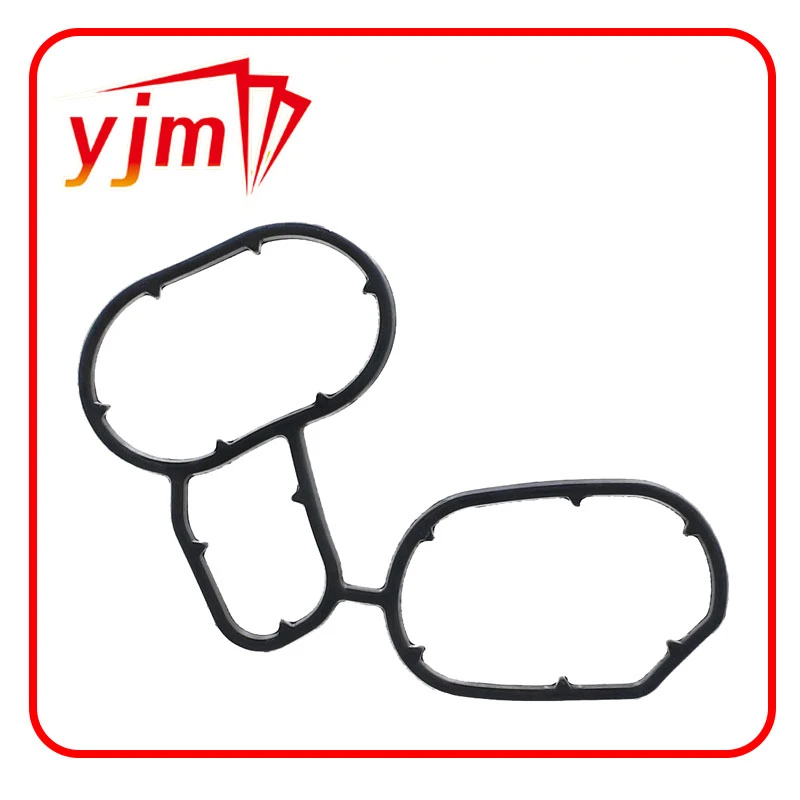
11427508970 BMW - OIL FILTER HOUSING GASKETS
-
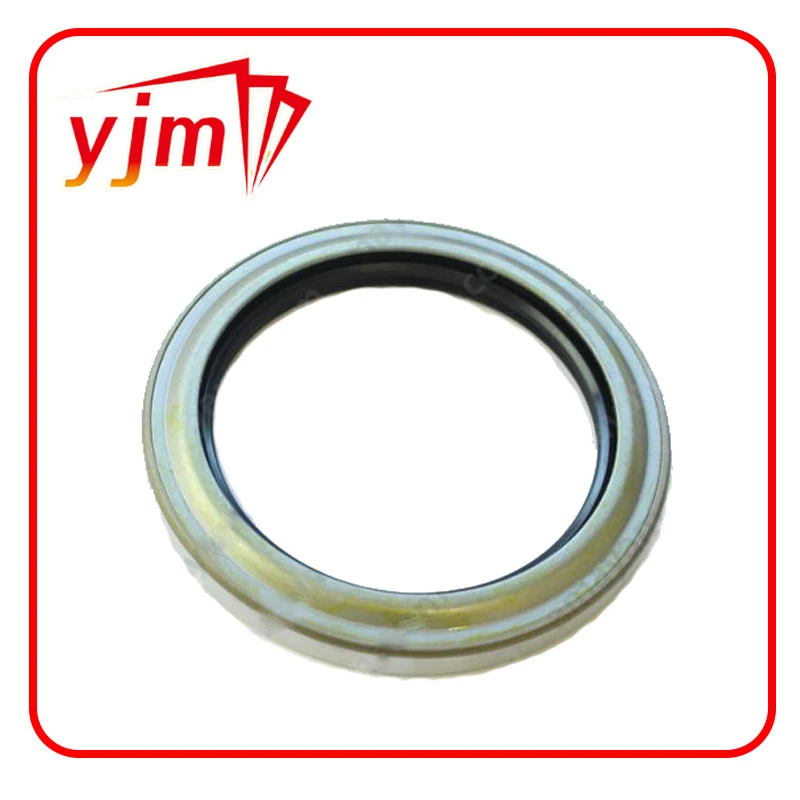
SEAL, OIL Genuine Toyota (9031170011)
-
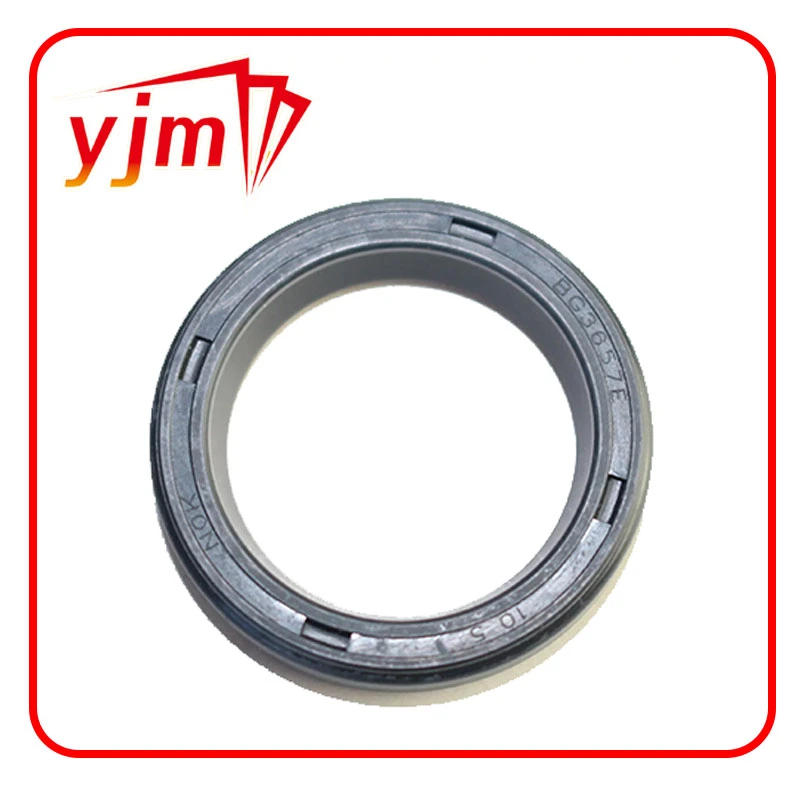
Transfer Case Output Shaft Seal Part 9031223001
-
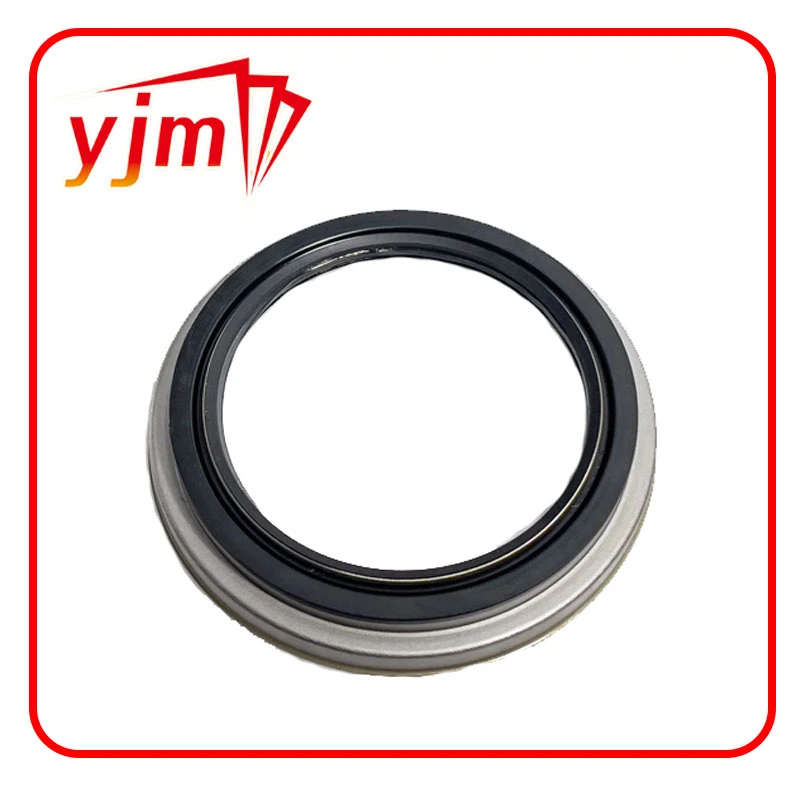
SEAL, OIL Genuine Toyota (9031672001)
-
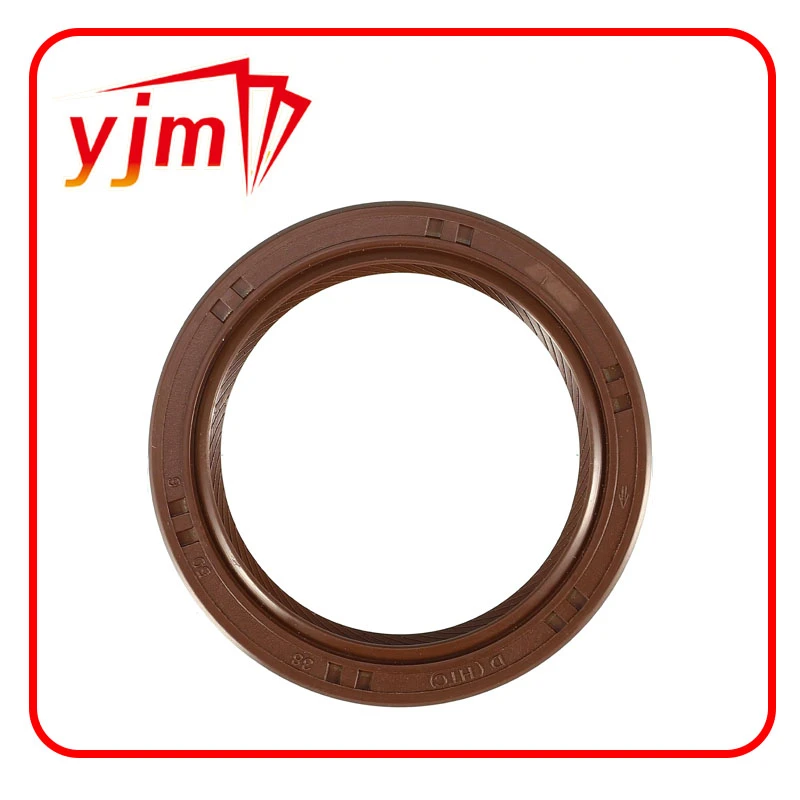
Engine Crankshaft Oil Seal No.9031138096
-
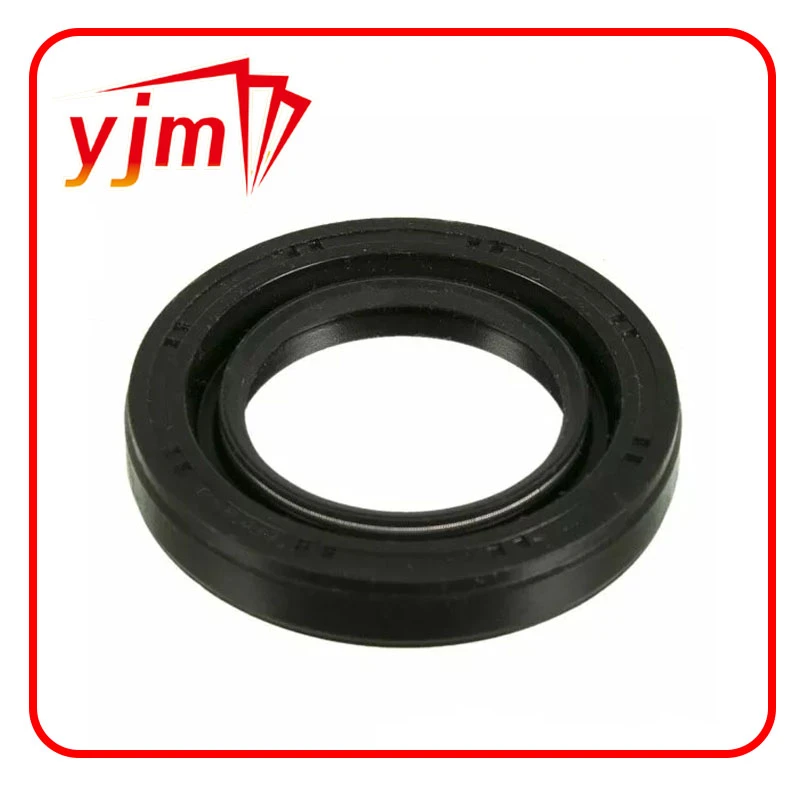
Toyota Transfer Case Output Shaft Seal Front 9031136006
-
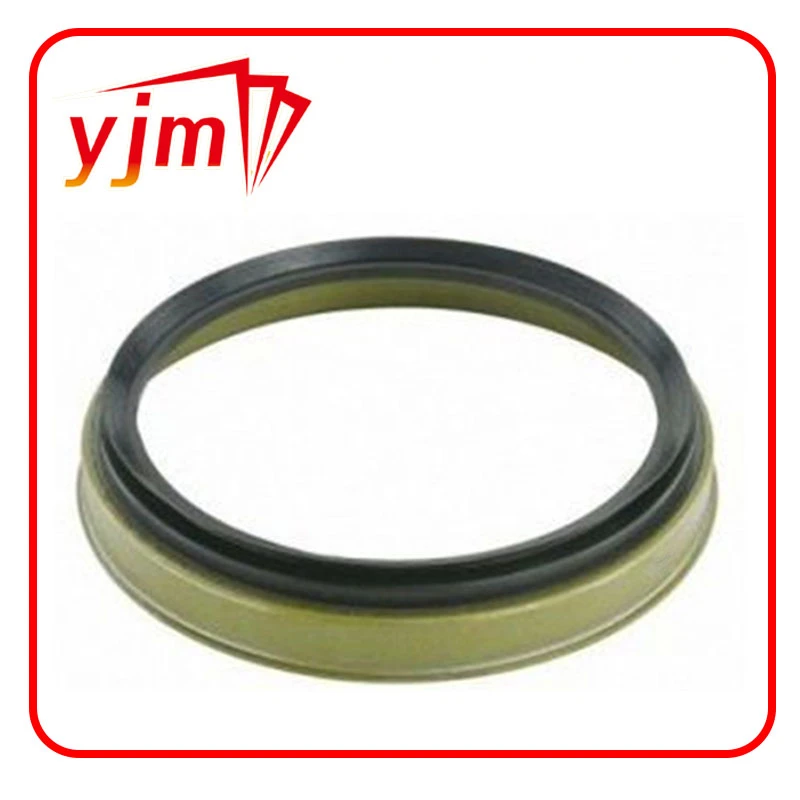
Seal, type v oil 9031287001 TOYOTA
-
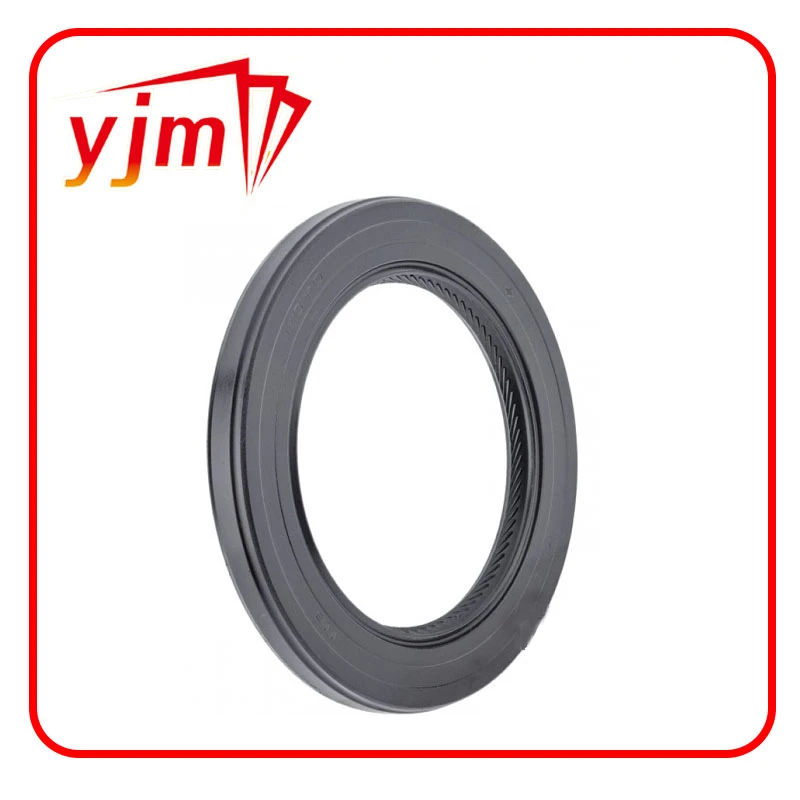
Oil pump seal 9031143010
-
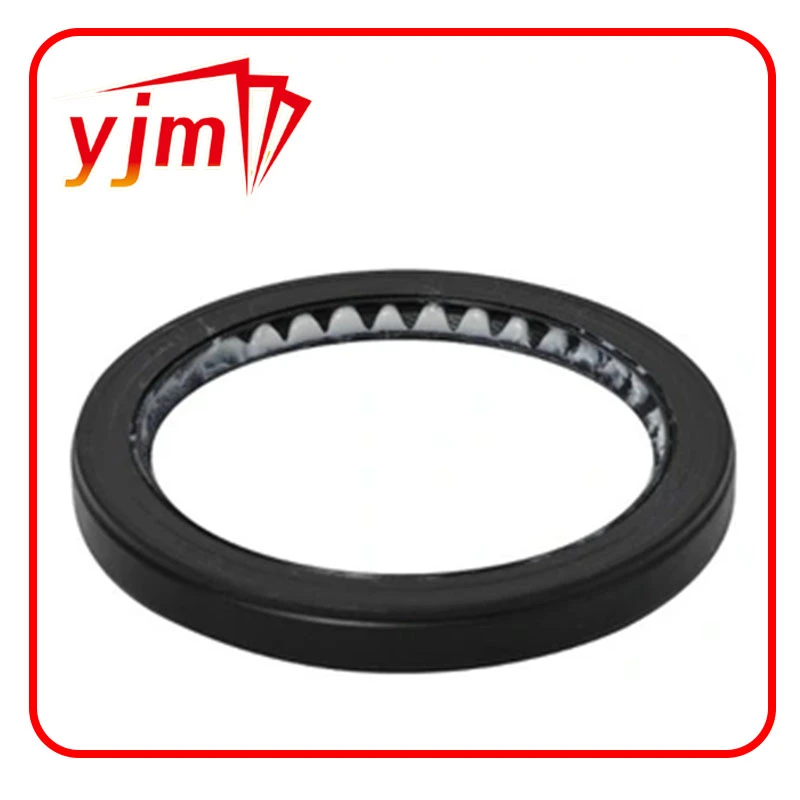
Genuine Toyota Oil SEAL 90311-54006
-
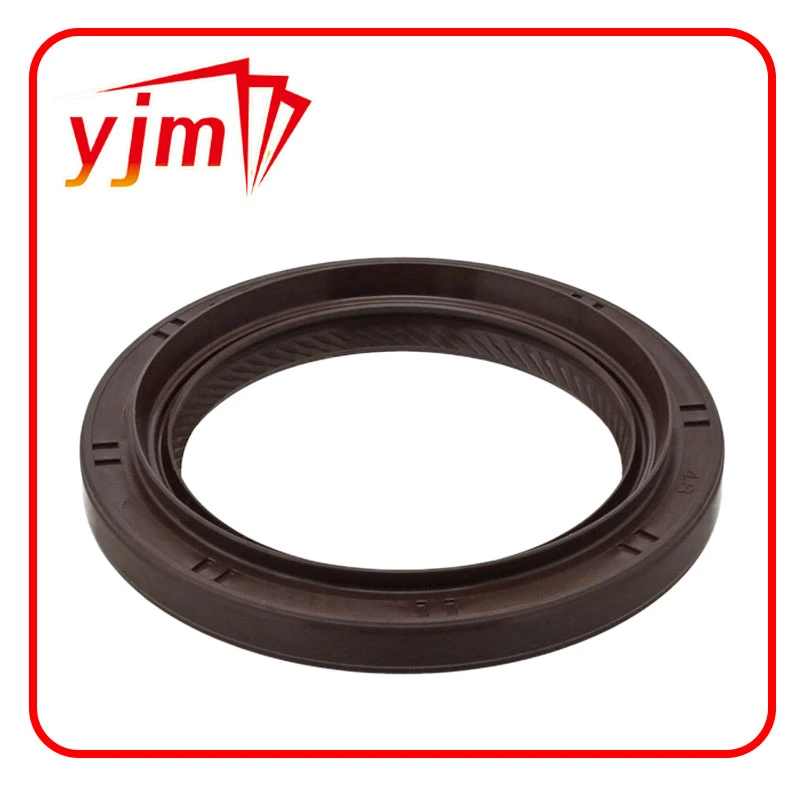
Toyota SEAL TYPE T OIL 90311-48031
-
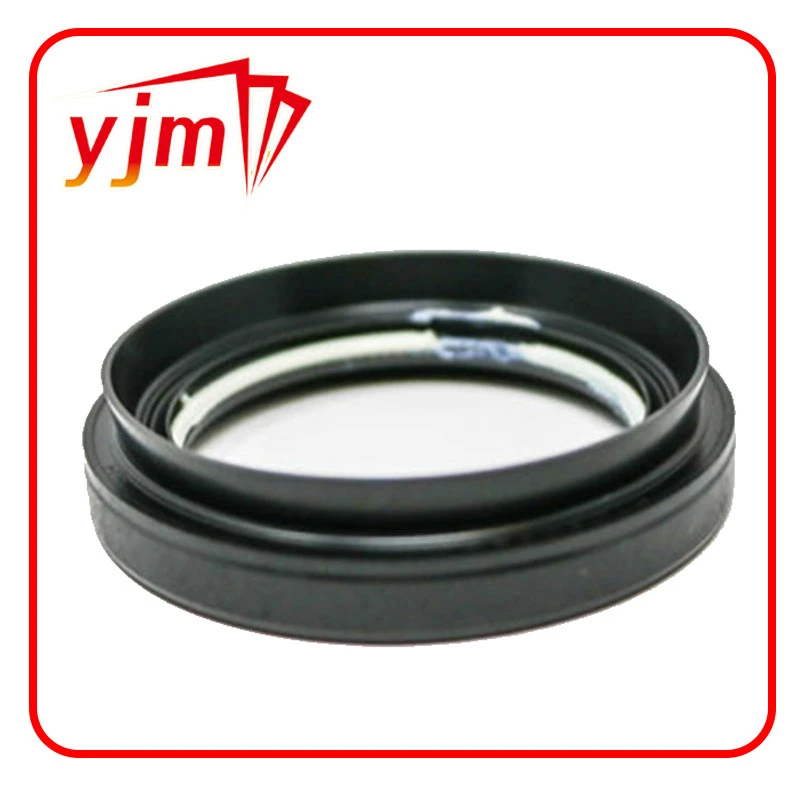
Type T Oil Seal, Front Drive Shaft, Left 9031150064
-
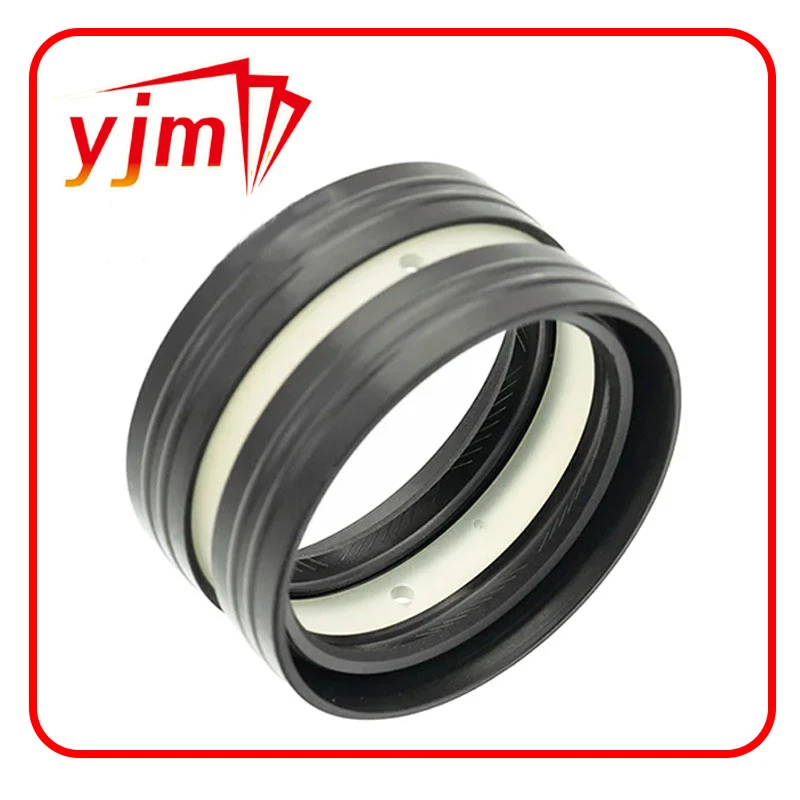
Seal, type d oil 9031634001 TOYOTA
 Afrikaans
 Albanian
 Amharic
 Arabic
 Armenian
 Azerbaijani
 Basque
 Belarusian
 Bengali
 Bosnian
 Bulgarian
 Catalan
 Cebuano
 Corsican
 Croatian
 Czech
Czech
 Danish
 Dutch
Dutch
 Esperanto
 Estonian
 Finnish
 French
 Frisian
 Galician
 Georgian
 German
 Greek
Greek
 Gujarati
 Haitian Creole
 Hausa
Hausa
 Hawaiian
 Hebrew
 Hindi
Hindi
 Miao
Miao
 Hungarian
 Icelandic
 Igbo
Igbo
 Indonesian
 Irish
Irish
 Italian
 Japanese
 Javanese
 Kannada
 Kazakh
 Khmer
Khmer
 Rwandese
 Korean
 Kurdish
 Kyrgyz
 Lao
Lao
 Latin
Latin
 Latvian
 Lithuanian
 Luxembourgish
 Macedonian
 Malgashi
 Malay
Malay
 Malayalam
 Maltese
 Maori
Maori
 Marathi
 Mongolian
 Myanmar
 Nepali
 Norwegian
 Norwegian
 Occitan
 Pashto
 Persian
 Polish
 Portuguese
 Punjabi
 Romanian
 Russian
 Samoan
 Scottish Gaelic
 Serbian
 Sesotho
 Shona
Shona
 Sindhi
 Sinhala
 Slovak
 Slovenian
 Somali
 Spanish
 Sundanese
 Swahili
 Swedish
 Tagalog
 Tajik
Tajik
 Tamil
Tamil
 Tatar
Tatar
 Telugu
 Thai
Thai
 Turkish
 Turkmen
 Ukrainian
 Urdu
Urdu
 Uighur
 Uzbek
Uzbek
 Vietnamese
 Welsh
Welsh
 Bantu
Bantu
 Yiddish
 Yoruba
 Zulu
Zulu
 English