Heavy Duty Garage Door Seal – Durable Industrial Door Protection & Energy Savings
Understanding Heavy Duty Garage Door Seals: Why They Matter Worldwide
When you think about a heavy duty garage door seal, you might picture something simple — a strip of rubber or silicone blocking out drafts and dust. But the truth is, these seals are silent workhorses in industrial and commercial settings all over the globe. They keep environments secure, energy costs down, and equipment safeguarded from the elements. In an increasingly energy-conscious and cost-sensitive world, knowing how these robust seals function and where they’re applied is surprisingly relevant.
The Global Context: Heavy Duty Garage Door Seals in Industry and Infrastructure
Take a moment to consider the sheer volume of warehouses, logistics hubs, factories, and even storm shelters worldwide. According to international standards organizations like ISO, proper sealing of industrial doors is crucial for maintaining environmental control. The energy savings alone are staggering—some estimates suggest buildings lose up to 30% of heating or cooling from poorly sealed openings.
In places ranging from chilly northern Europe to scorching desert zones of Australia, sustaining temperature and preventing contamination isn’t just about comfort — it impacts supply chains, equipment lifespans, and even worker safety. And increasingly, regulations from entities like the United Nations Economic Commission for Europe (UNECE) urge infrastructure improvements where seals play a pivotal role. Heavy duty seals answer the call for resilience in rough conditions — extreme weather, frequent door traffic, and mechanical wear.
What Exactly Is a Heavy Duty Garage Door Seal?
At its core, a heavy duty garage door seal is a robust, durable component installed on commercial or industrial garage doors to prevent the ingress of air, water, dust, and pests. Unlike typical residential door seals, these are designed to withstand harsh environmental factors and constant mechanical impact. Think flexible rubber compounds reinforced for abrasion resistance, coupled with smart extrusion profiles that maintain a snug, weather-tight barrier.
These seals intersect neatly with industry needs like food storage, cold-chain logistics, or hazardous material containment — anywhere the smallest gap could jeopardize safety or spoil quality.
Key Characteristics of Heavy Duty Garage Door Seals
- Durability: Engineered for high abrasion resistance, these seals endure thousands of daily door cycles.
- Energy Efficiency: Eliminate drafts to reduce HVAC loads.
- Water and Dust Resistance: Block moisture intrusion and airborne contaminants.
- Flexibility and Fit: Profiles adapt to uneven surfaces and door movements.
- Compatibility: Designed to work with various door types—rolling, sectional, or folding.
Mini takeaway: Not your run-of-the-mill seal, a heavy duty garage door seal is a carefully crafted blend of materials and design to meet robust performance demands.
Core Components and Design Considerations
Durability
Many engineers swear by the longevity of seals made with EPDM rubber or thermoplastic elastomers that resist UV radiation and extreme temperatures. Unlike cheap vinyl strips, these materials don’t crack or deform easily. It’s the material science behind them that matters—tested repeatedly under ISO 9092-1 standards to simulate years of wear.
Scalability & Size
Seals come in varying sizes to accommodate massive industrial doors or smaller garage entry points. The scale impacts installation methods and affects performance—larger seals often include reinforced backing to maintain integrity under pressure.
Cost Efficiency
At first glance, investing in a heavy duty seal may seem costly compared to basic alternatives. But the return on investment becomes clear over time with reduced energy waste and fewer door repairs. Plus, many modern suppliers offer customizable solutions that balance budget with specs.
Ease of Installation & Maintenance
Some seal systems are designed for quick retrofitting with minimal downtime. Maintenance tends toward periodic inspection and occasional replacement of worn components, which frankly feels manageable compared to the hassle of replacing entire doors or HVAC systems.
Environmental Resistance
Weatherproofing is non-negotiable. Seals must resist salt spray near coastal areas, oil exposure in factories, and wide thermal swings. Specialized coatings and compounds matter here to extend service life.
Product Specification Table
| Specification | Typical Value | Notes |
|---|---|---|
| Material | EPDM Rubber | UV and chemical resistant |
| Temperature Range | -40°C to 120°C | Suitable for cold and hot climates |
| Compression Set (%) | Retention of elasticity | |
| Service Life | 5–10 years | Depending on environment |
| Installation | Adhesive or mechanical fixing | Varies by model |
Mini takeaway: Knowing the specs helps you choose the right seal — skipping this step is like buying shoes without trying them on.
How Heavy Duty Garage Door Seals Are Used Around the World
In cold climates like Scandinavia, these seals are critical for energy conservation, maintaining temperature-controlled warehouses for food and pharmaceuticals. Meanwhile, in industrial hubs — think Southern California or the Ruhr Valley in Germany — they safeguard expensive machinery from dust and debris.
Oddly enough, places you wouldn’t immediately imagine, like disaster relief camps, use heavy duty seals on temporary storage units to protect fragile aid supplies from unpredictable weather and pests. Or in remote mining operations in Australia, where dust control is paramount for both equipment longevity and workers’ health.
Clearly, heavy duty garage door seals aren’t just a mundane accessory, but vital elements protecting infrastructure and livelihoods.
Vendor Comparison: Market Leaders in Heavy Duty Garage Door Seals
| Vendor | Materials | Custom Sizes | Lead Time | Price Range |
|---|---|---|---|---|
| YJM Seal Co. | EPDM, Silicone | Yes | 2–4 weeks | Mid-range |
| SealTech Industries | Natural Rubber, Neoprene | Limited | 3–5 weeks | Budget to Mid |
| ProSeal Dynamics | Silicone, TPE | Yes | 1–3 weeks | Premium |
What Makes Heavy Duty Garage Door Seals Valuable in the Long Run?
There’s more to these seals than just durability. Their impact ripples into energy conservation, reducing a facility’s carbon footprint. Logic meets emotion here — businesses save money, employees enjoy safer environments, and the planet benefits. Families storing vehicles or household goods get peace of mind knowing pests and moisture won’t invade their space.
Safety also plays a role; poorly sealed doors can allow harmful fumes or contaminants in sensitive zones, so the investment is also about trust and reliability in daily operations.
Looking Ahead: Trends in Heavy Duty Garage Door Sealing
Materials science isn’t sleeping on this topic. Innovations like bio-based elastomers and self-healing rubber compounds are on the horizon, promising even longer service life and greener manufacturing processes. Digital sensors integrated into sealing systems, connected via IoT, could soon monitor seal integrity in real-time, flagging maintenance needs before failures happen.
And in the context of sustainability, tightening building envelopes aligns perfectly with new international directives for energy-efficient infrastructure.
Common Challenges and How the Industry Addresses Them
Of course, “heavy duty” doesn’t mean maintenance-free. UV degradation, accidental tears, and installation errors are common challenges. But flexible modular seal systems and improved installation training help overcome these issues. Some suppliers now offer full turnkey solutions including site assessments to tailor seal solutions precisely.
FAQ: Your Burning Questions About Heavy Duty Garage Door Seals
Q1: How long can a heavy duty garage door seal last under industrial use?
A1: Typically, these seals last between 5 and 10 years depending on environmental exposure and maintenance. High UV, chemical exposure, or heavy mechanical stress can shorten lifespan, but regular inspection prolongs it effectively.
Q2: Are these seals compatible with all types of industrial garage doors?
A2: Most seals are designed for sectional, rolling, and folding doors, but it’s important to check thickness and profile compatibility. Custom solutions are common for unique applications.
Q3: Can I install a heavy duty garage door seal myself?
A3: While some kits are DIY-friendly, many heavy duty seals require precise installation to ensure correct compression and weather resistance. Professional installation is often recommended to maximize performance.
Q4: Do heavy duty seals contribute significantly to energy savings?
A4: Yes, by preventing drafts and maintaining controlled indoor climate, seals can reduce HVAC energy consumption by as much as 10–30%, depending on door size and daily usage.
Q5: How do I choose the right seal for harsh weather conditions?
A5: Look for materials tested against UV radiation, extreme temperatures, chemical resistance, and salt spray if applicable. EPDM rubber seals are a popular choice for wide climatic ranges.
In Closing: Why Heavy Duty Garage Door Seals Are Worth the Investment
Bottom line: In an age valuing energy efficiency, sustainability, and industrial resilience, these seals quietly make a massive difference. They protect assets, save costs, and help meet global environmental goals. If you want to explore top-tier sealing options tailored to your needs, consider visiting heavy duty garage door seal specialists who combine expert materials know-how with custom service. It’s a seemingly small part with a big impact — kind of like the difference between a drafty warehouse that barely hums, and one that hums smoothly all year round.
References:
-
Guide to Choosing the Right Washer for Oil Change and Sealing
News Apr.16,2026
-
Essential Guide to High Quality rubber washer oil drain plug
News Apr.09,2026
-
Understanding Rubber Crush Washers for Optimal Sealing Performance
News Apr.07,2026
-
Comprehensive Guide to Understanding and Reusing Crush Washer for Optimal Sealing
News Apr.04,2026
-
The Vital Role of a Drain Screw Gasket in Fluid System Integrity
News Mar.31,2026
-
The Essential Guide to Drain Crush Washer Selection and Plumbing Leak Prevention
News Mar.28,2026
-
The Vital Role of a Crush Washer in Oil Changes for Engine Protection
News Mar.26,2026
Products categories
-
Brass cutlass marine bearing
-
Genuine OEM Engine Oil Filter Housing Cover O-Ring For VW/Audi 06E115446
-
Oil Filter Stand Gasket,Oil filter cover seal
-
Oil Cooler Gasket, Oil Cooler to Oil Filter Housing 11427525335
-
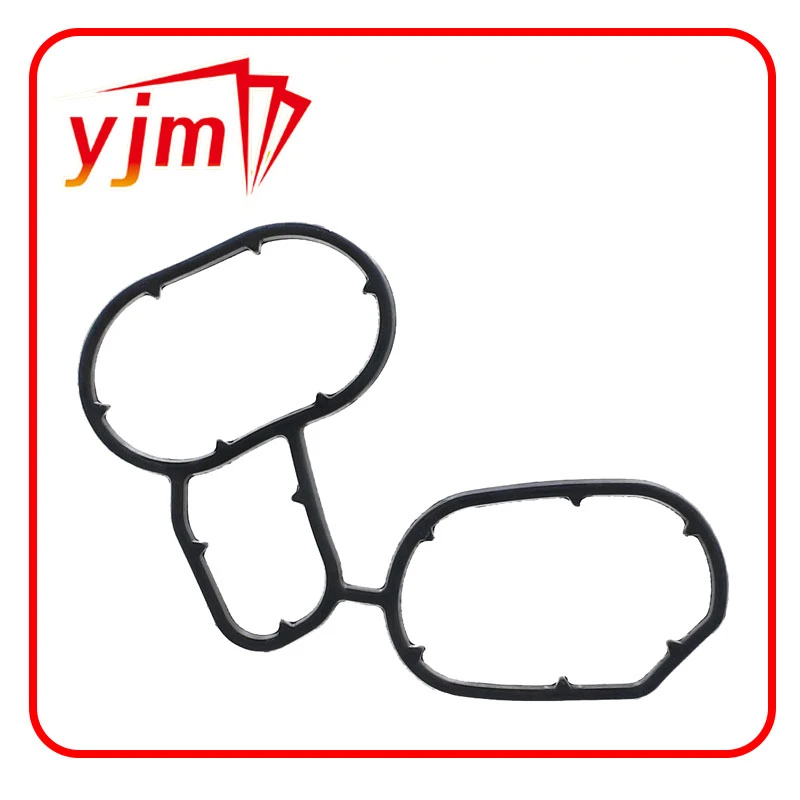
11427508970 BMW - OIL FILTER HOUSING GASKETS
-
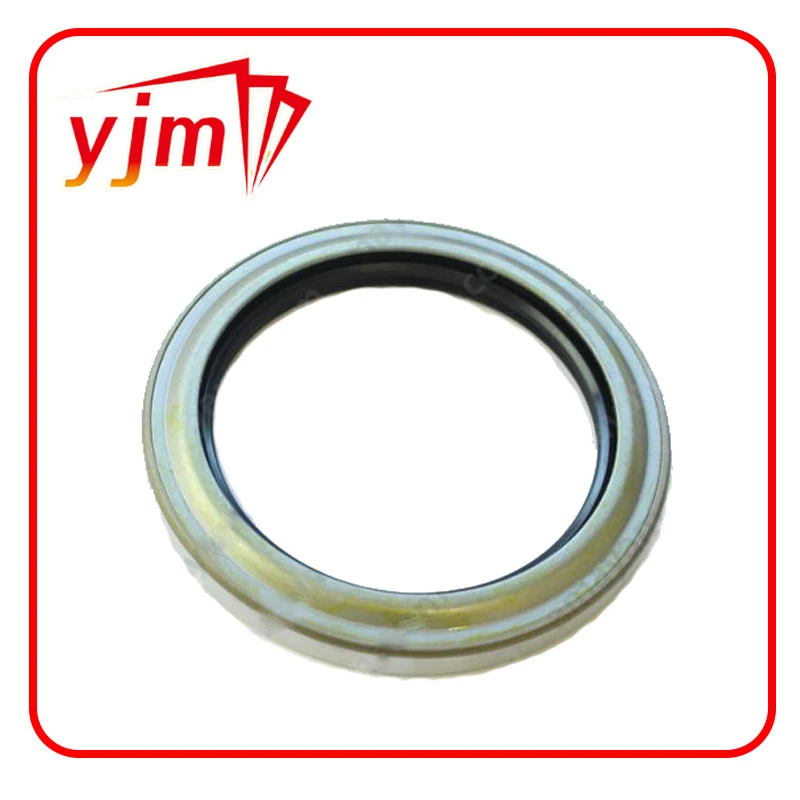
SEAL, OIL Genuine Toyota (9031170011)
-
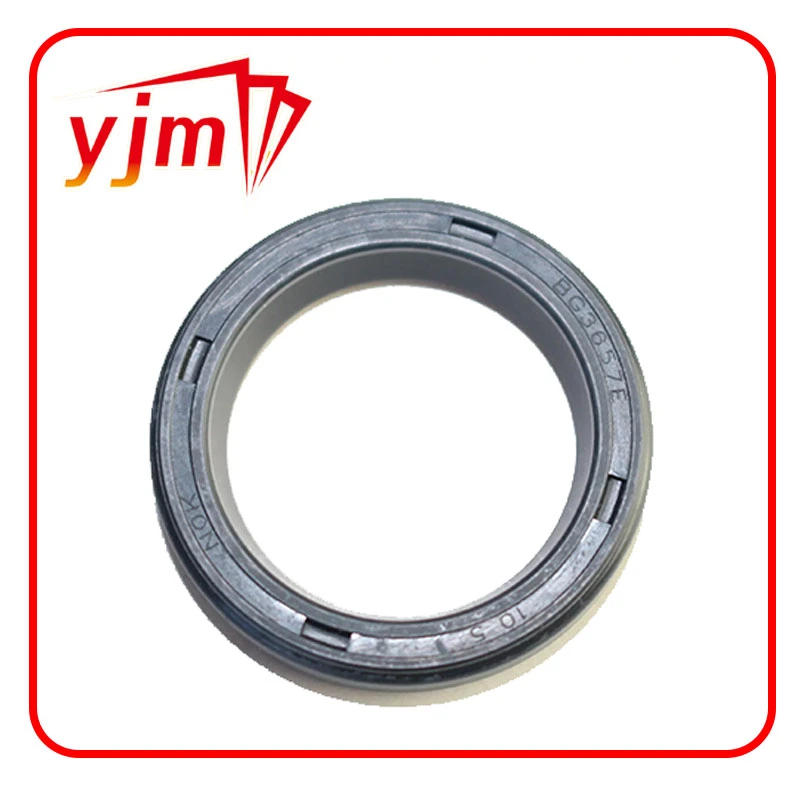
Transfer Case Output Shaft Seal Part 9031223001
-
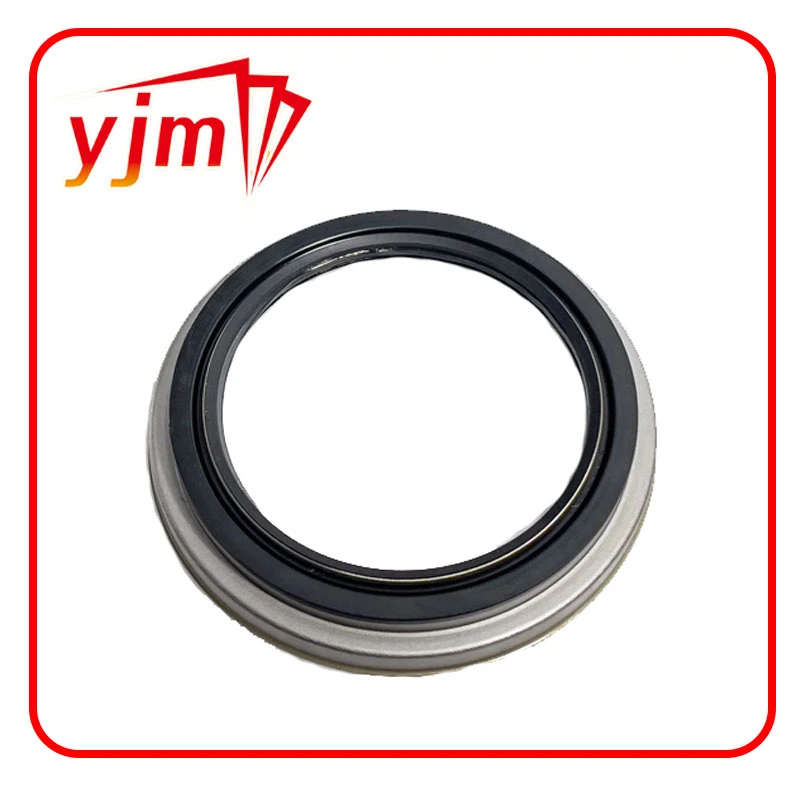
SEAL, OIL Genuine Toyota (9031672001)
-
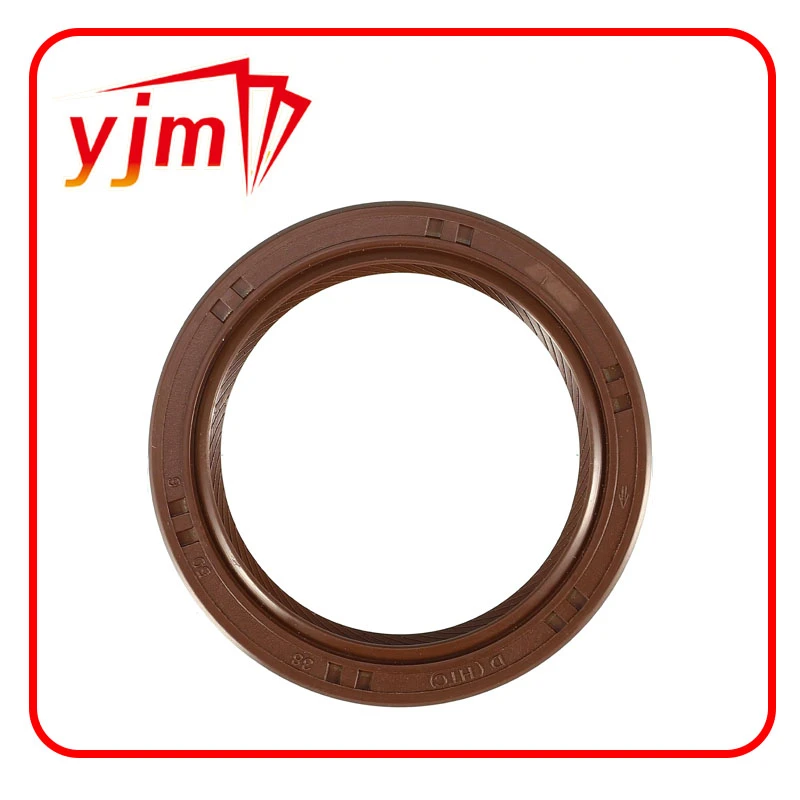
Engine Crankshaft Oil Seal No.9031138096
-
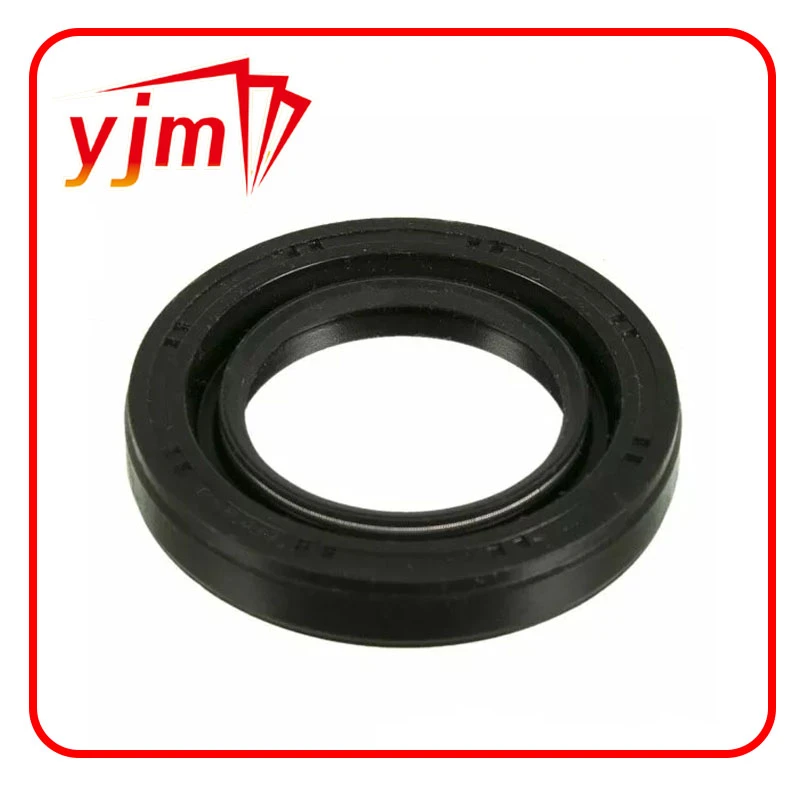
Toyota Transfer Case Output Shaft Seal Front 9031136006
-
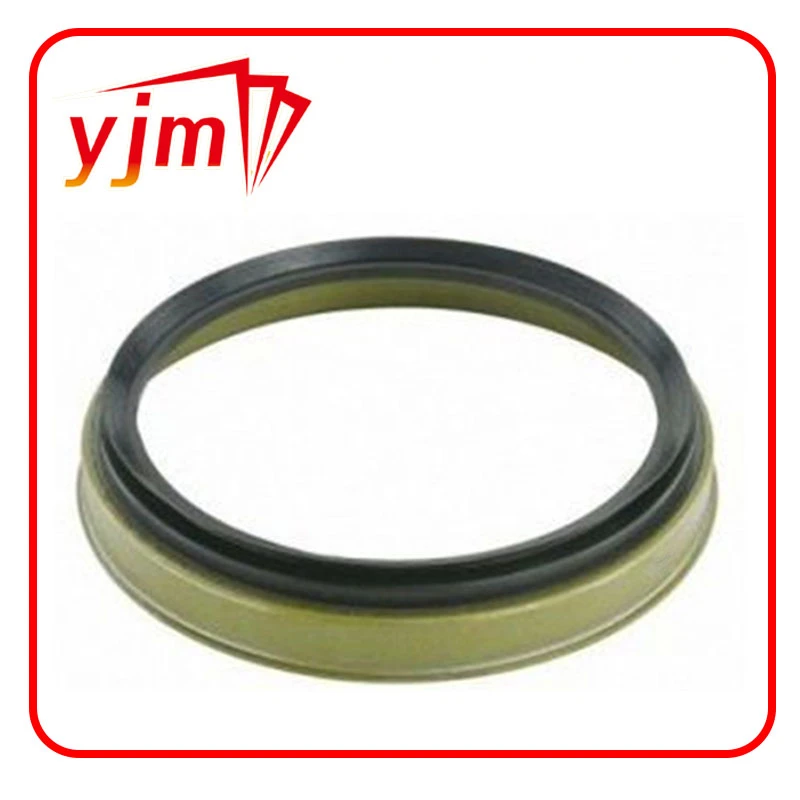
Seal, type v oil 9031287001 TOYOTA
-
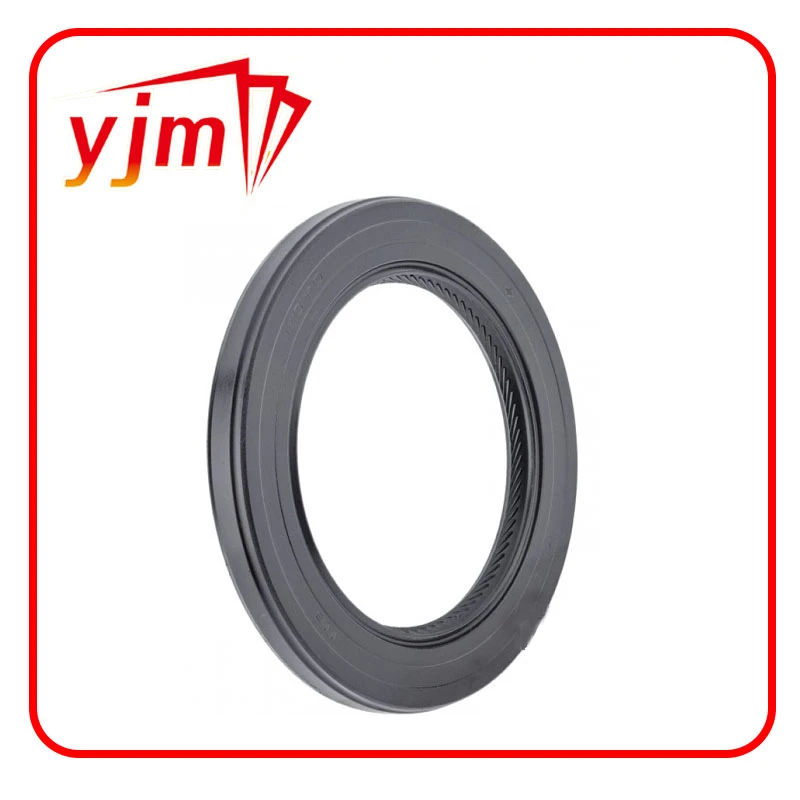
Oil pump seal 9031143010
-
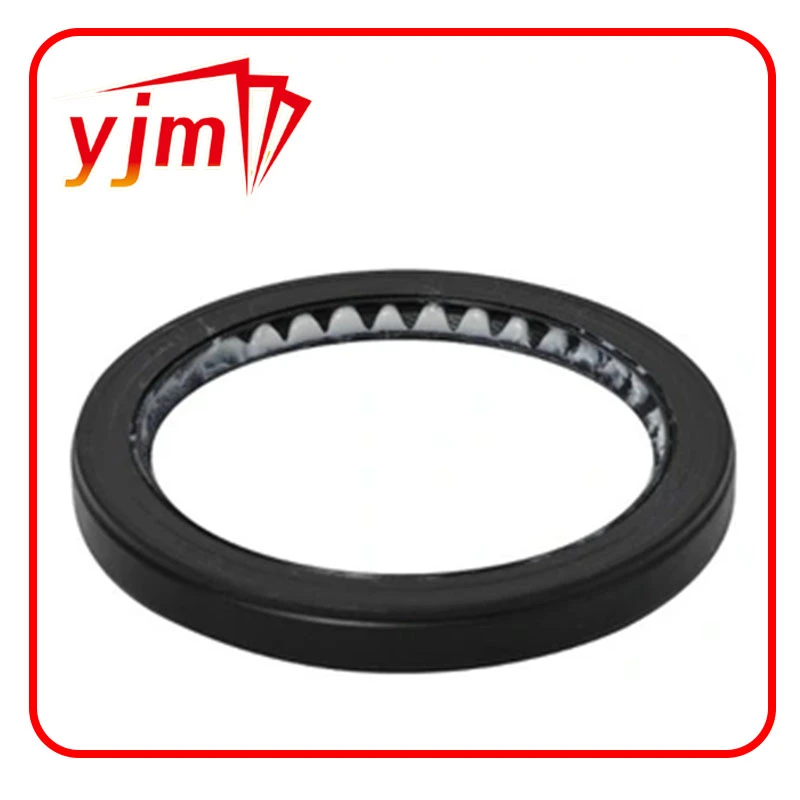
Genuine Toyota Oil SEAL 90311-54006
-
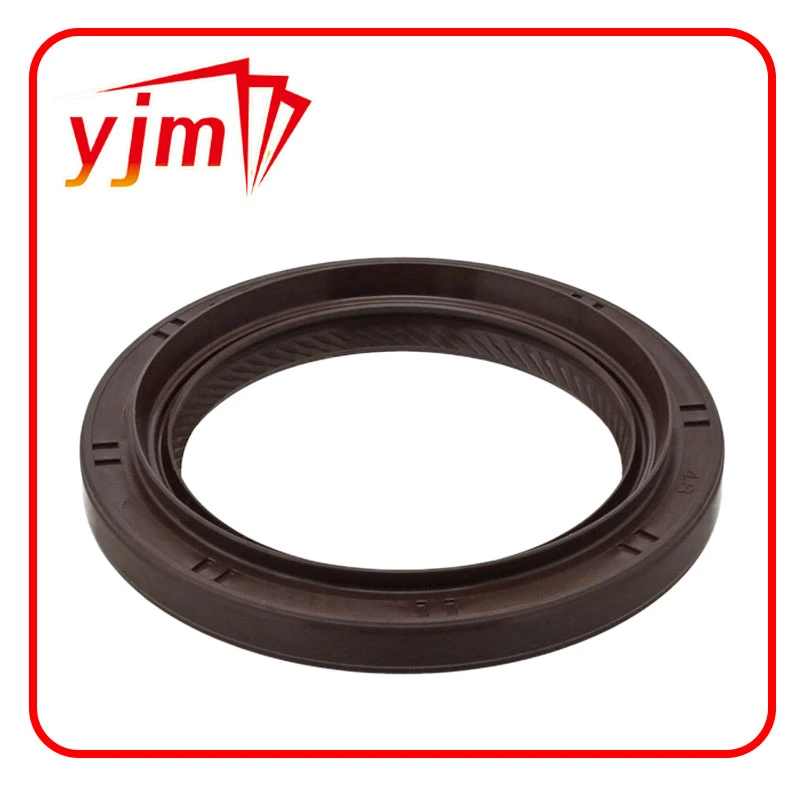
Toyota SEAL TYPE T OIL 90311-48031
-
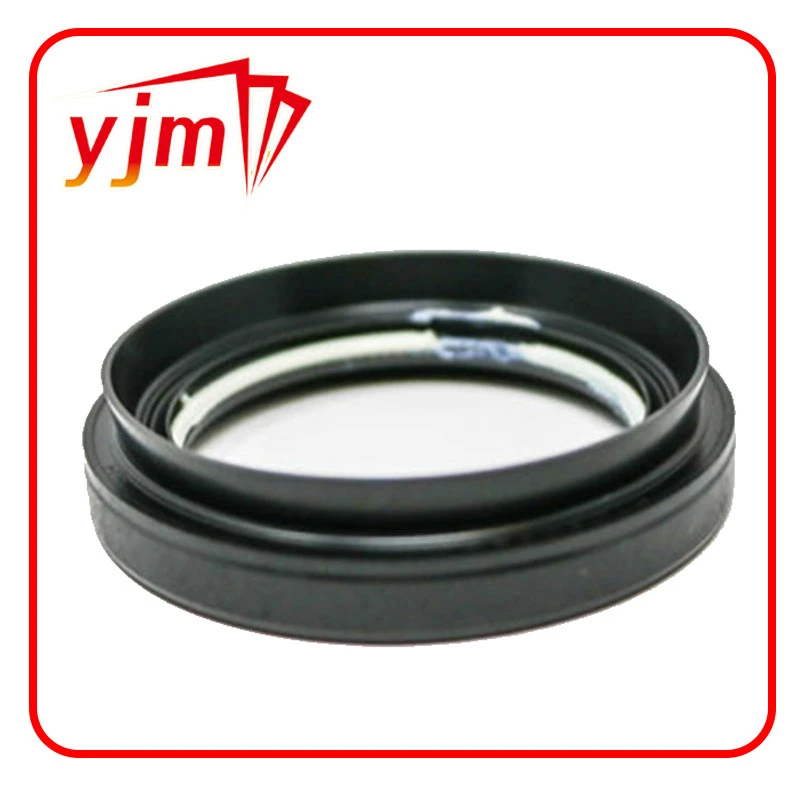
Type T Oil Seal, Front Drive Shaft, Left 9031150064
-
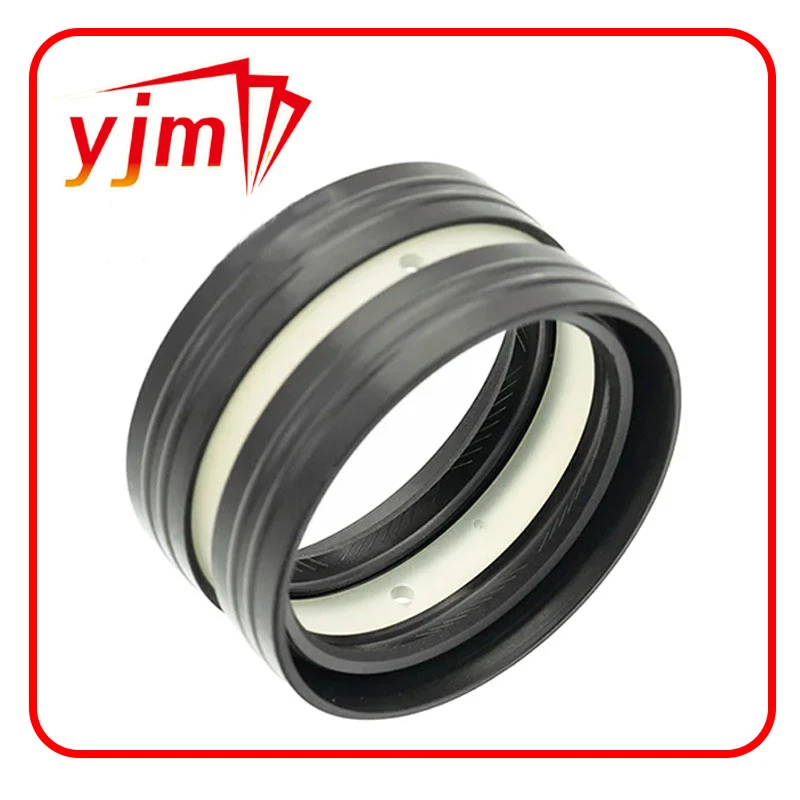
Seal, type d oil 9031634001 TOYOTA
 Afrikaans
 Albanian
 Amharic
 Arabic
 Armenian
 Azerbaijani
 Basque
 Belarusian
 Bengali
 Bosnian
 Bulgarian
 Catalan
 Cebuano
 Corsican
 Croatian
 Czech
Czech
 Danish
 Dutch
Dutch
 Esperanto
 Estonian
 Finnish
 French
 Frisian
 Galician
 Georgian
 German
 Greek
Greek
 Gujarati
 Haitian Creole
 Hausa
Hausa
 Hawaiian
 Hebrew
 Hindi
Hindi
 Miao
Miao
 Hungarian
 Icelandic
 Igbo
Igbo
 Indonesian
 Irish
Irish
 Italian
 Japanese
 Javanese
 Kannada
 Kazakh
 Khmer
Khmer
 Rwandese
 Korean
 Kurdish
 Kyrgyz
 Lao
Lao
 Latin
Latin
 Latvian
 Lithuanian
 Luxembourgish
 Macedonian
 Malgashi
 Malay
Malay
 Malayalam
 Maltese
 Maori
Maori
 Marathi
 Mongolian
 Myanmar
 Nepali
 Norwegian
 Norwegian
 Occitan
 Pashto
 Persian
 Polish
 Portuguese
 Punjabi
 Romanian
 Russian
 Samoan
 Scottish Gaelic
 Serbian
 Sesotho
 Shona
Shona
 Sindhi
 Sinhala
 Slovak
 Slovenian
 Somali
 Spanish
 Sundanese
 Swahili
 Swedish
 Tagalog
 Tajik
Tajik
 Tamil
Tamil
 Tatar
Tatar
 Telugu
 Thai
Thai
 Turkish
 Turkmen
 Ukrainian
 Urdu
Urdu
 Uighur
 Uzbek
Uzbek
 Vietnamese
 Welsh
Welsh
 Bantu
Bantu
 Yiddish
 Yoruba
 Zulu
Zulu
 English