Essential Guide to High Quality rubber washer oil drain plug
The Essential Guide to Rubber Washer Oil Drain Plug Solutions
Maintaining an engine's health starts with the basics, and one of the most overlooked yet critical components is the rubber washer oil drain plug. A high-quality seal prevents costly leaks and protects your engine from contaminants, ensuring smooth operation over thousands of miles. Whether you are a professional mechanic or a DIY car enthusiast, understanding the nuances of sealing materials can save you from unexpected roadside breakdowns. In this guide, we will explore the technical benefits, material differences, and installation best practices to help you choose the perfect sealing solution for your vehicle.
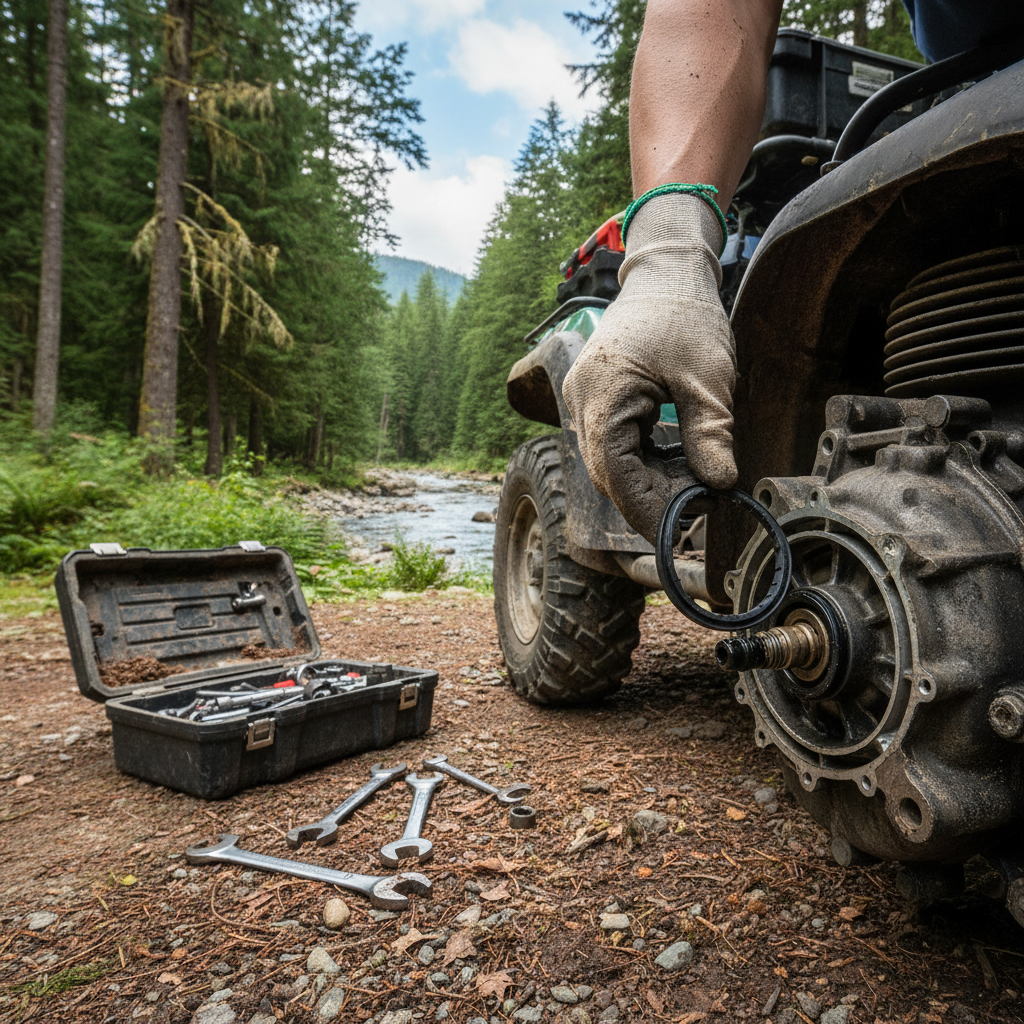
Why Use a Rubber Washer Oil Drain Plug?
The primary function of a rubber washer oil drain plug is to create an airtight and leak-proof seal between the drain bolt and the oil pan. Unlike flat metal washers that may fail to fill microscopic imperfections in the metal surfaces, rubber and elastomeric compounds compress under pressure. This compression molding effect ensures that oil remains inside the engine, even under high thermal expansion and vibration. Using the correct washer not only prevents oil spots on your driveway but also maintains the precise oil pressure required for internal lubrication.
Pro Tip: Always replace your drain plug washer during every oil change. Reusing a crushed washer can lead to slow leaks that go unnoticed until the oil level becomes dangerously low.
Comparing Materials for Oil Drain Plug Washers
Not all washers are created equal. Depending on the engine temperature and the type of oil used (synthetic vs. conventional), the material of your rubber washer oil drain plug can significantly impact longevity. While standard rubber is cost-effective, high-performance vehicles often require Viton or Nitrile (NBR) for better chemical resistance. The table below illustrates the performance differences between common sealing materials used in automotive drain plugs.
Installation Tips for Your Rubber Washer Oil Drain Plug
Proper installation is just as important as the quality of the part. When fitting a rubber washer oil drain plug, the most common mistake is over-tightening. Over-torquing can cause the rubber to "squish" out of the sealing area or, worse, strip the threads of the oil pan. We recommend using a torque wrench to meet the manufacturer's specifications. Additionally, ensure the mating surface is clean and free of old gasket residue to prevent air gaps that could lead to weeping leaks.
Common Signs of Rubber Washer Failure
How do you know when your rubber washer oil drain plug has reached the end of its life? The first sign is usually a "wet" look around the drain bolt. Over time, rubber can suffer from chemical degradation or thermal hardening, losing its elasticity. If the washer becomes brittle or cracked, it can no longer compensate for the vibrations of the engine, resulting in slow drips. Regular inspections during every oil change are the best way to catch these failures before they lead to low oil levels and potential engine seizure.
Product Specifications for Industrial Rubber Washers
For B2B buyers and distributors, sourcing a rubber washer oil drain plug requires adherence to strict technical specifications. Dimensions must be precise to ensure the washer sits flush against the bolt head. Most industrial-grade washers follow standard SAE or Metric sizing to ensure global compatibility. Below are the typical specifications for our high-performance automotive sealing range:
Sustainability and Future of Engine Sealing
The automotive industry is shifting toward more sustainable materials. Modern rubber washer oil drain plug designs are now incorporating recycled elastomers without compromising on seal integrity. Furthermore, with the rise of electric vehicles (EVs), the demand for specialized coolant-resistant washers is increasing. High-performance seals are now designed to withstand the unique chemical compositions of EV thermal management fluids, proving that the humble washer continues to evolve alongside automotive technology.
Conclusion: Quality Sealing for Peace of Mind
Choosing a premium rubber washer oil drain plug is a small step that prevents major engine failures. By selecting the right material for your specific environment and ensuring a precise installation, you protect your investment and extend the lifespan of your vehicle. Whether you need bulk industrial supplies or high-performance individual components, quality sealing is the foundation of automotive reliability. Don't let a tiny washer be the weakest link in your engine's defense.
Frequently Asked Questions (FAQs)
Can I reuse a rubber washer oil drain plug?
It is strongly recommended to replace the rubber washer every time you change your oil. Rubber is designed to compress to create a seal; once it has been crushed under the torque of the drain plug, it loses much of its elasticity. Reusing a flattened washer increases the risk of oil leaks, as the material can no longer adapt to the surface irregularities of the oil pan. For the cost of a few cents, a new washer provides guaranteed security and peace of mind.
What happens if I over-tighten the drain plug with a rubber washer?
Over-tightening a drain plug with a rubber washer can lead to several problems. First, it can cause the rubber to deform excessively or split, which actually creates a path for oil to leak out rather than sealing it. Second, applying too much force puts excessive stress on the threads of the oil pan, which are often made of softer aluminum. Stripping these threads is an expensive repair that requires a thread insert (like a Heli-Coil). Always use a torque wrench to follow the manufacturer's specific foot-pound or Newton-meter requirements.
Which is better: rubber or crush washers (aluminum/copper)?
Both have their advantages. Crush washers (aluminum/copper) are excellent for extremely high-heat applications and are often used in European cars. However, they are "one-time use" by design as they physically deform to seal. Rubber washers, specifically those made from NBR or Viton, provide a more flexible seal that can better handle engine vibrations and are often easier to install for DIY users. The choice typically depends on the vehicle manufacturer's specification. For most standard passenger vehicles, a high-quality rubber washer oil drain plug offers a perfect balance of ease and effectiveness.
Does the type of oil affect the rubber washer material?
Yes, the chemical composition of the oil can affect the rubber. Synthetic oils often contain different additives than conventional mineral oils. Standard rubber may degrade faster when exposed to certain synthetic compounds or extreme temperatures. This is why materials like Nitrile (NBR) and Viton are preferred for modern engines; they are specifically engineered to be oil-resistant and thermally stable, ensuring that the washer doesn't soften or dissolve over time regardless of whether you use full synthetic or a blend.
-
Guide to Choosing the Right Washer for Oil Change and Sealing
News Apr.16,2026
-
Understanding Rubber Crush Washers for Optimal Sealing Performance
News Apr.07,2026
-
Comprehensive Guide to Understanding and Reusing Crush Washer for Optimal Sealing
News Apr.04,2026
-
The Vital Role of a Drain Screw Gasket in Fluid System Integrity
News Mar.31,2026
-
The Essential Guide to Drain Crush Washer Selection and Plumbing Leak Prevention
News Mar.28,2026
-
The Vital Role of a Crush Washer in Oil Changes for Engine Protection
News Mar.26,2026
-
The Critical Role of an 18mm Drain Plug Washer in Maintaining System Integrity
News Mar.24,2026
Products categories
-
Brass cutlass marine bearing
-
Genuine OEM Engine Oil Filter Housing Cover O-Ring For VW/Audi 06E115446
-
Oil Filter Stand Gasket,Oil filter cover seal
-
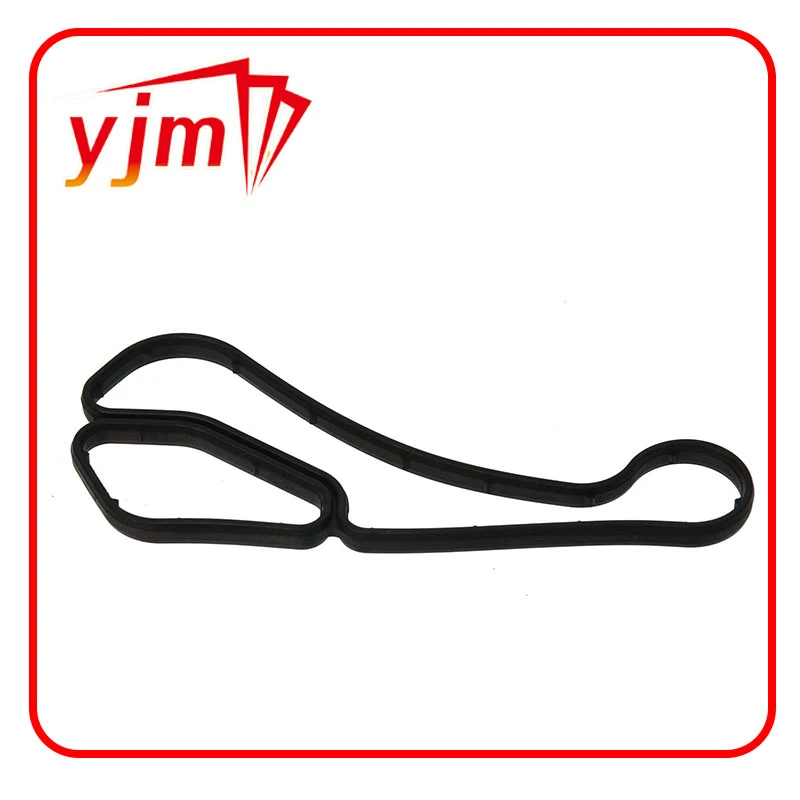
Oil Cooler Gasket, Oil Cooler to Oil Filter Housing 11427525335
-
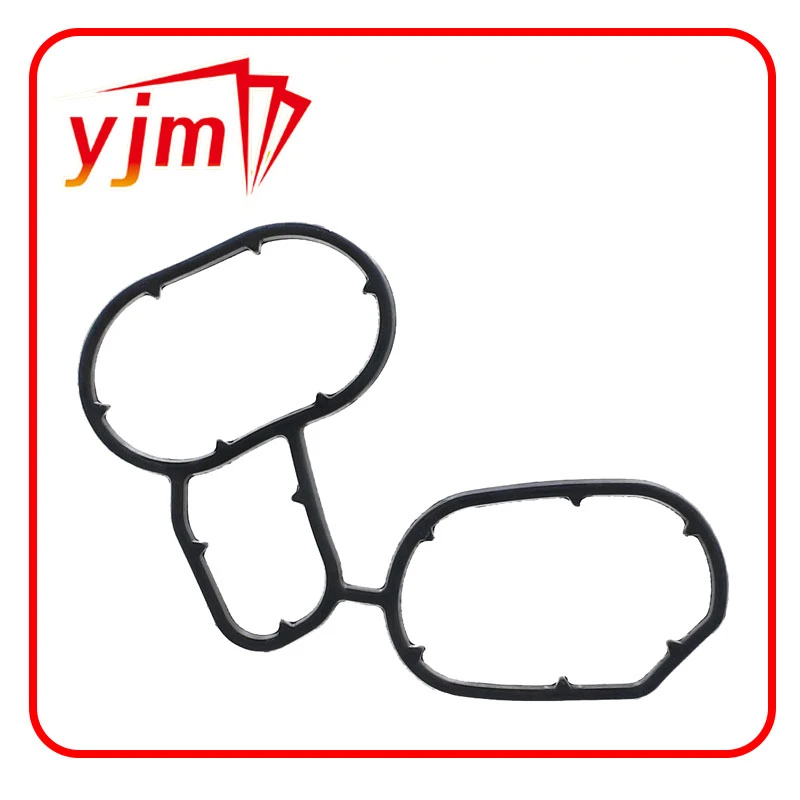
11427508970 BMW - OIL FILTER HOUSING GASKETS
-
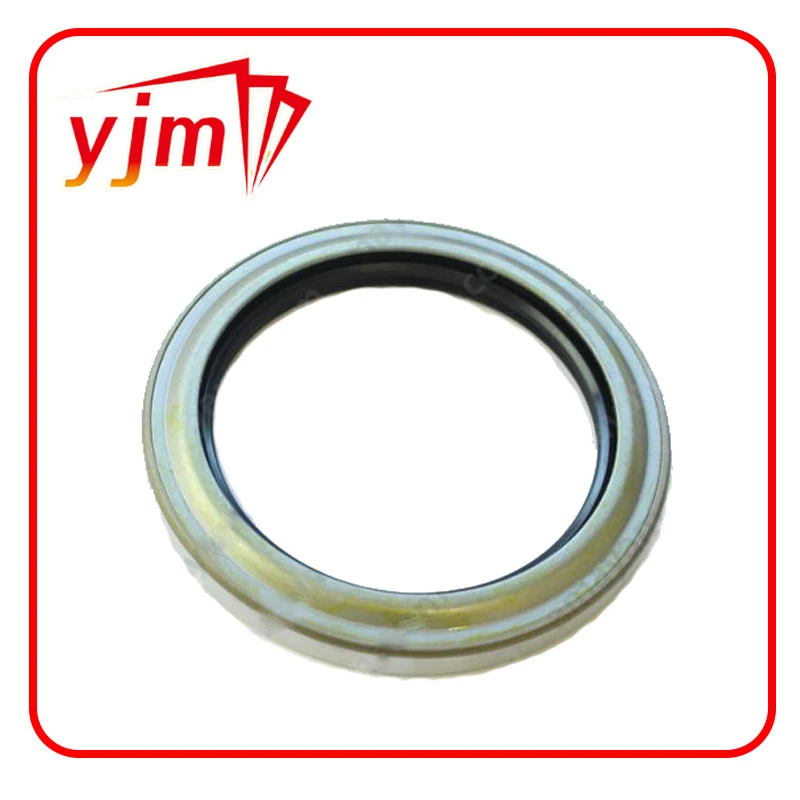
SEAL, OIL Genuine Toyota (9031170011)
-
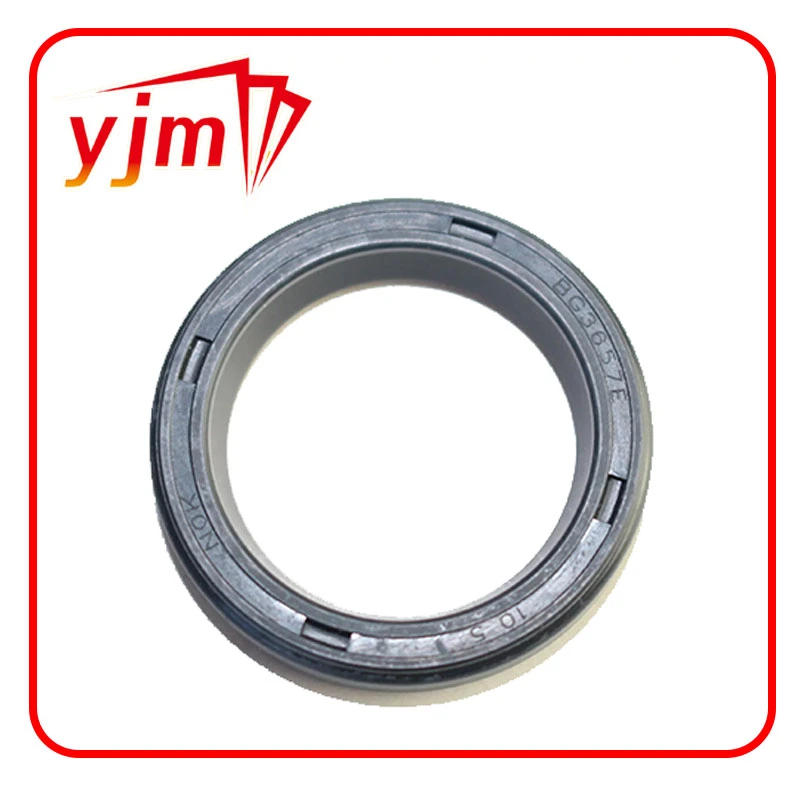
Transfer Case Output Shaft Seal Part 9031223001
-
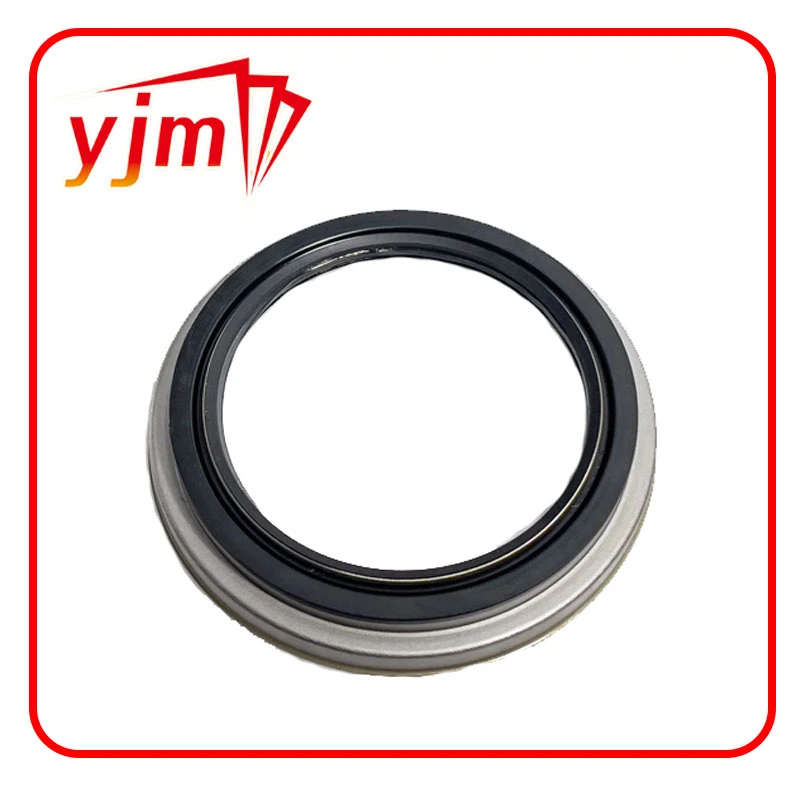
SEAL, OIL Genuine Toyota (9031672001)
-
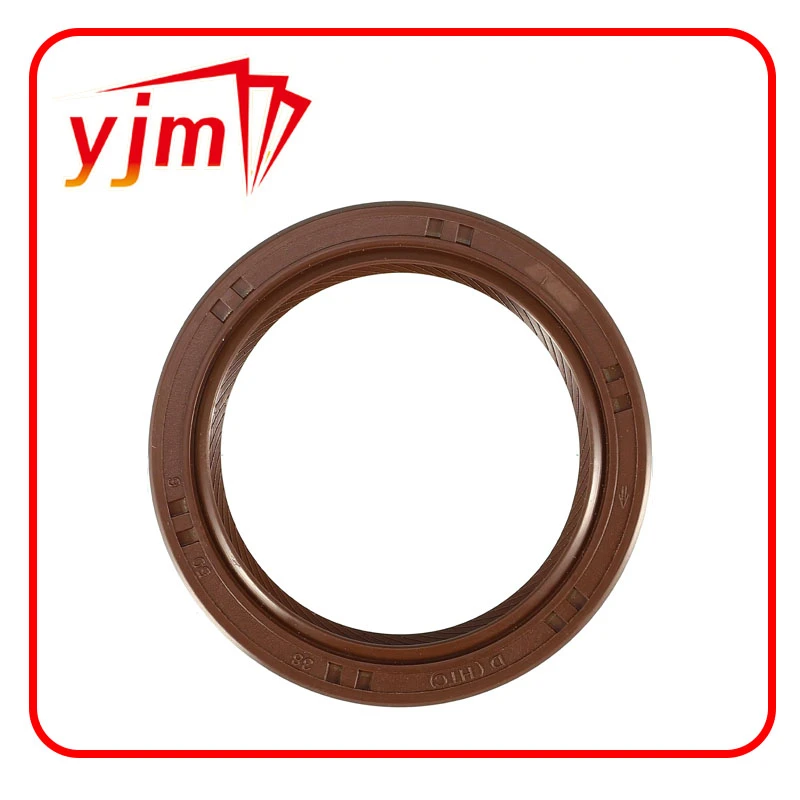
Engine Crankshaft Oil Seal No.9031138096
-
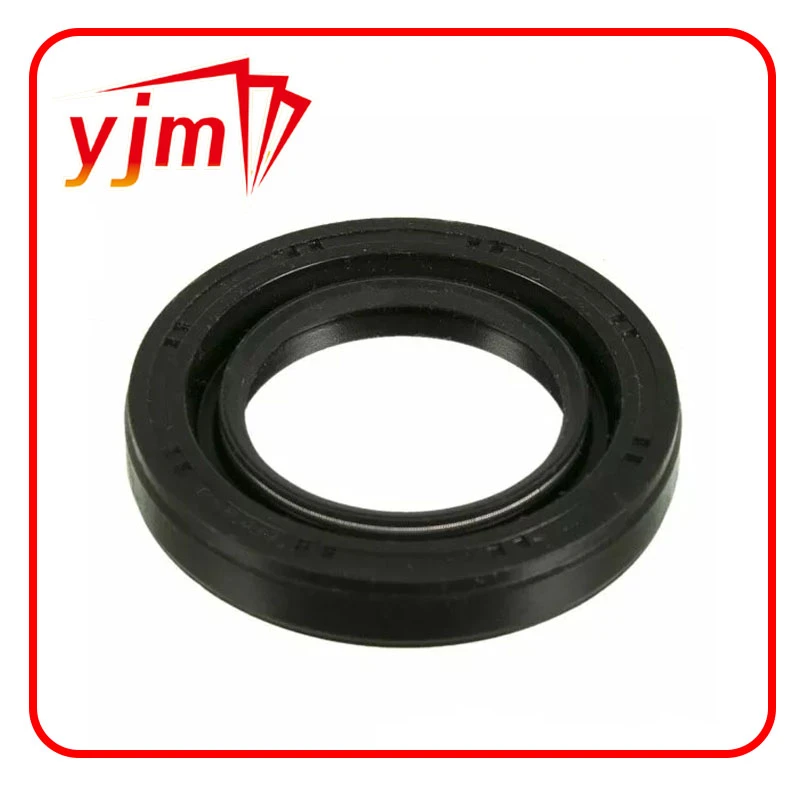
Toyota Transfer Case Output Shaft Seal Front 9031136006
-
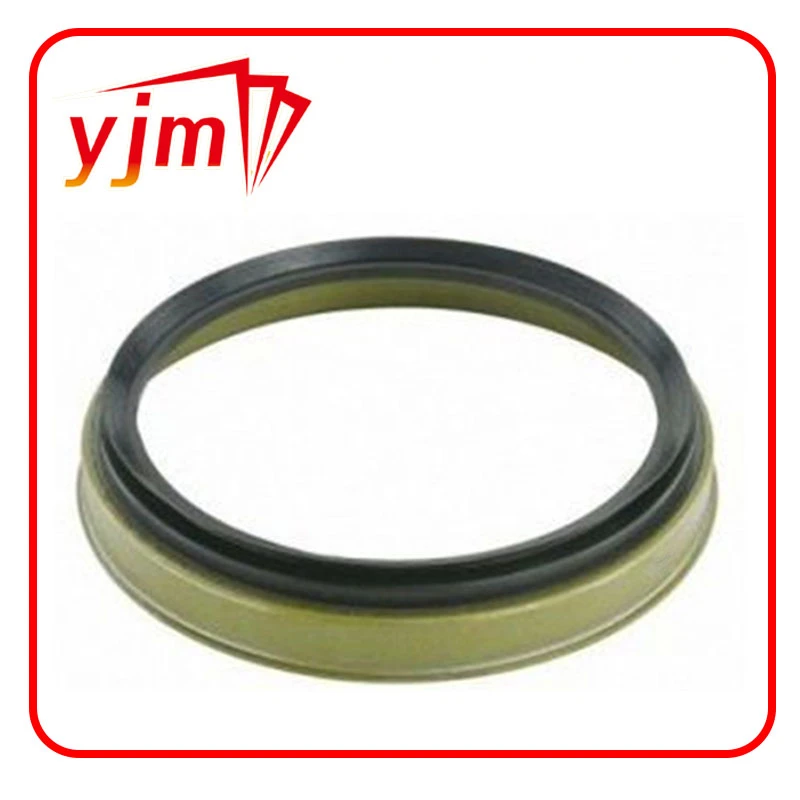
Seal, type v oil 9031287001 TOYOTA
-
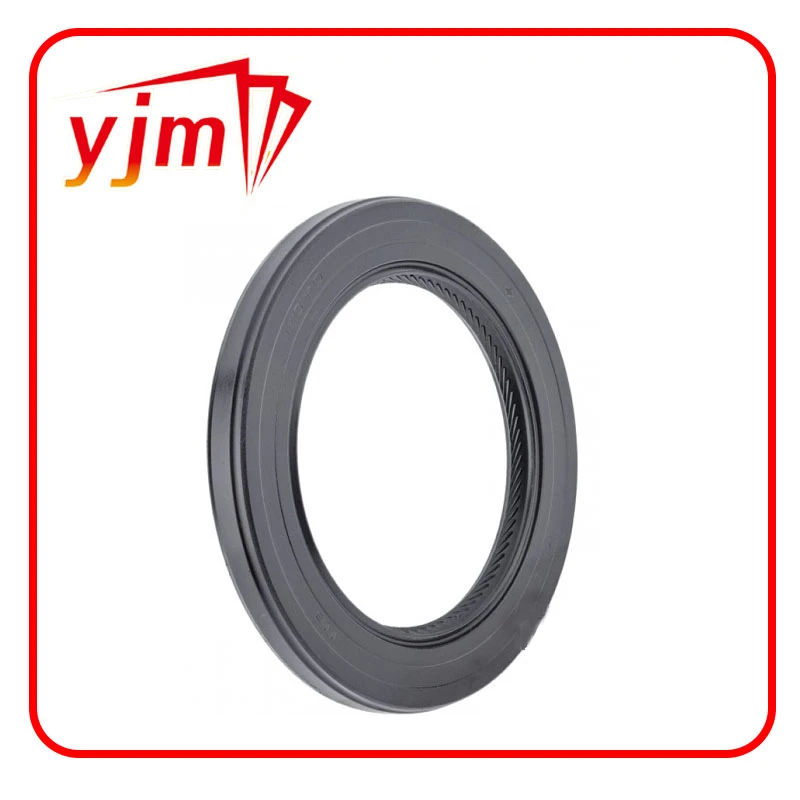
Oil pump seal 9031143010
-
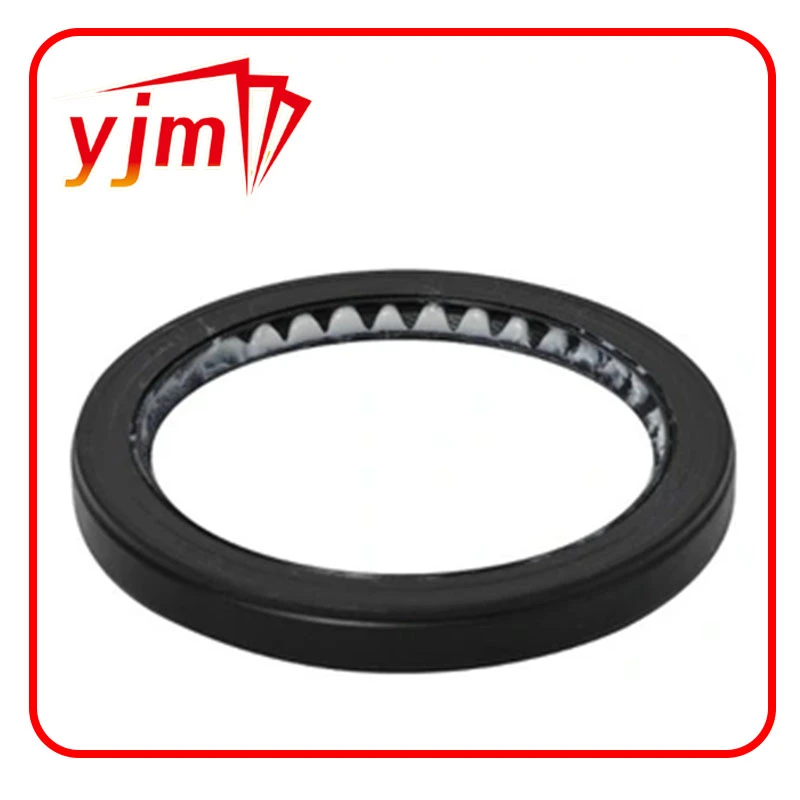
Genuine Toyota Oil SEAL 90311-54006
-
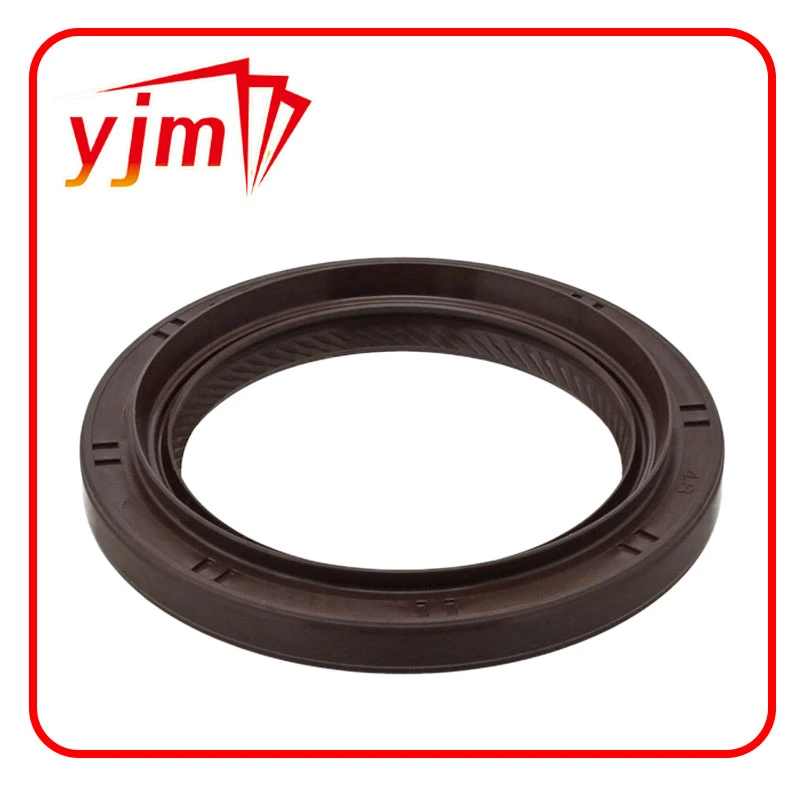
Toyota SEAL TYPE T OIL 90311-48031
-
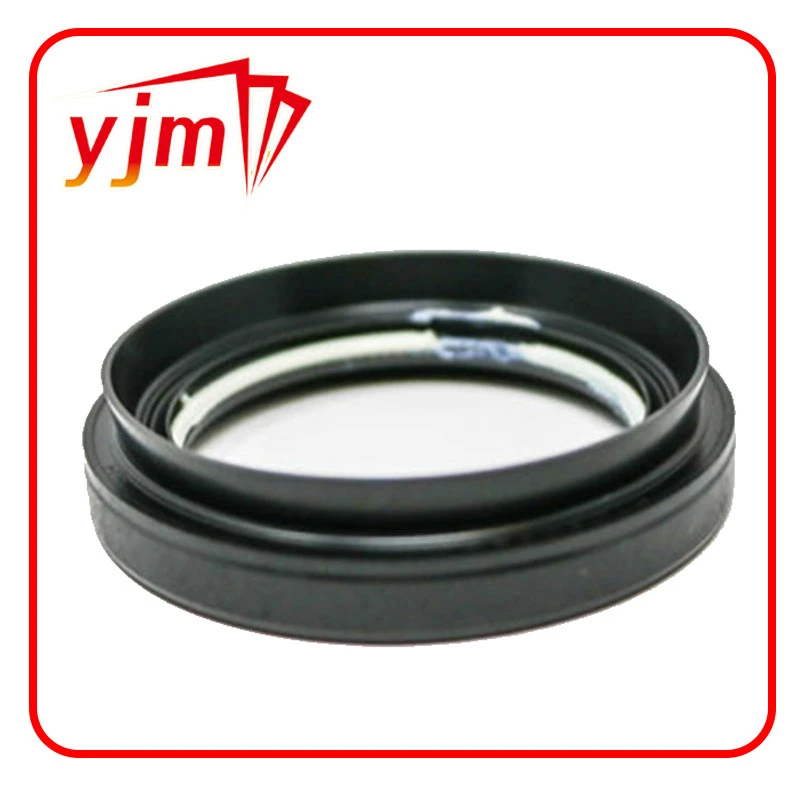
Type T Oil Seal, Front Drive Shaft, Left 9031150064
-
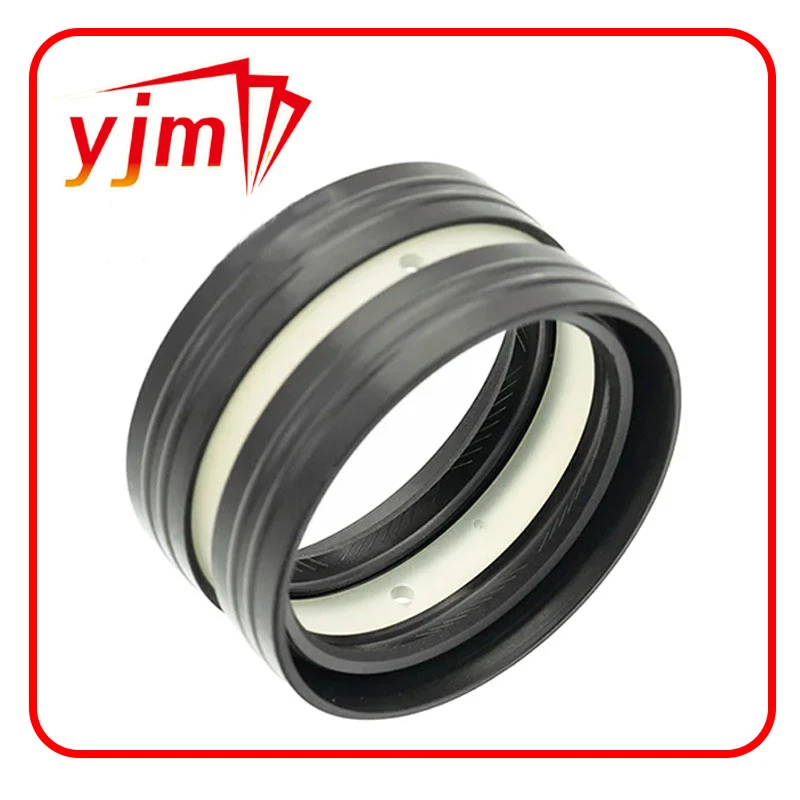
Seal, type d oil 9031634001 TOYOTA
 Afrikaans
 Albanian
 Amharic
 Arabic
 Armenian
 Azerbaijani
 Basque
 Belarusian
 Bengali
 Bosnian
 Bulgarian
 Catalan
 Cebuano
 Corsican
 Croatian
 Czech
Czech
 Danish
 Dutch
Dutch
 Esperanto
 Estonian
 Finnish
 French
 Frisian
 Galician
 Georgian
 German
 Greek
Greek
 Gujarati
 Haitian Creole
 Hausa
Hausa
 Hawaiian
 Hebrew
 Hindi
Hindi
 Miao
Miao
 Hungarian
 Icelandic
 Igbo
Igbo
 Indonesian
 Irish
Irish
 Italian
 Japanese
 Javanese
 Kannada
 Kazakh
 Khmer
Khmer
 Rwandese
 Korean
 Kurdish
 Kyrgyz
 Lao
Lao
 Latin
Latin
 Latvian
 Lithuanian
 Luxembourgish
 Macedonian
 Malgashi
 Malay
Malay
 Malayalam
 Maltese
 Maori
Maori
 Marathi
 Mongolian
 Myanmar
 Nepali
 Norwegian
 Norwegian
 Occitan
 Pashto
 Persian
 Polish
 Portuguese
 Punjabi
 Romanian
 Russian
 Samoan
 Scottish Gaelic
 Serbian
 Sesotho
 Shona
Shona
 Sindhi
 Sinhala
 Slovak
 Slovenian
 Somali
 Spanish
 Sundanese
 Swahili
 Swedish
 Tagalog
 Tajik
Tajik
 Tamil
Tamil
 Tatar
Tatar
 Telugu
 Thai
Thai
 Turkish
 Turkmen
 Ukrainian
 Urdu
Urdu
 Uighur
 Uzbek
Uzbek
 Vietnamese
 Welsh
Welsh
 Bantu
Bantu
 Yiddish
 Yoruba
 Zulu
Zulu
 English