The Vital Role of the Auto Oil Drain Plug for Engine Longevity and Performance
Understanding the Importance of an Auto Oil Drain Plug
Maintaining your vehicle requires diligent attention to detail, and often overlooked, but critically important, is the auto oil drain plug. This small but mighty component ensures proper oil changes, preventing leaks and safeguarding your engine. A faulty drain plug can lead to significant engine damage and costly repairs. In this article, we’ll explore the function, types, materials, and maintenance of auto oil drain plugs, offering insights for both DIY enthusiasts and professional mechanics. Choosing the right drain plug and maintaining it properly is an investment in the longevity of your vehicle.
What is an Auto Oil Drain Plug & Why is it Crucial?
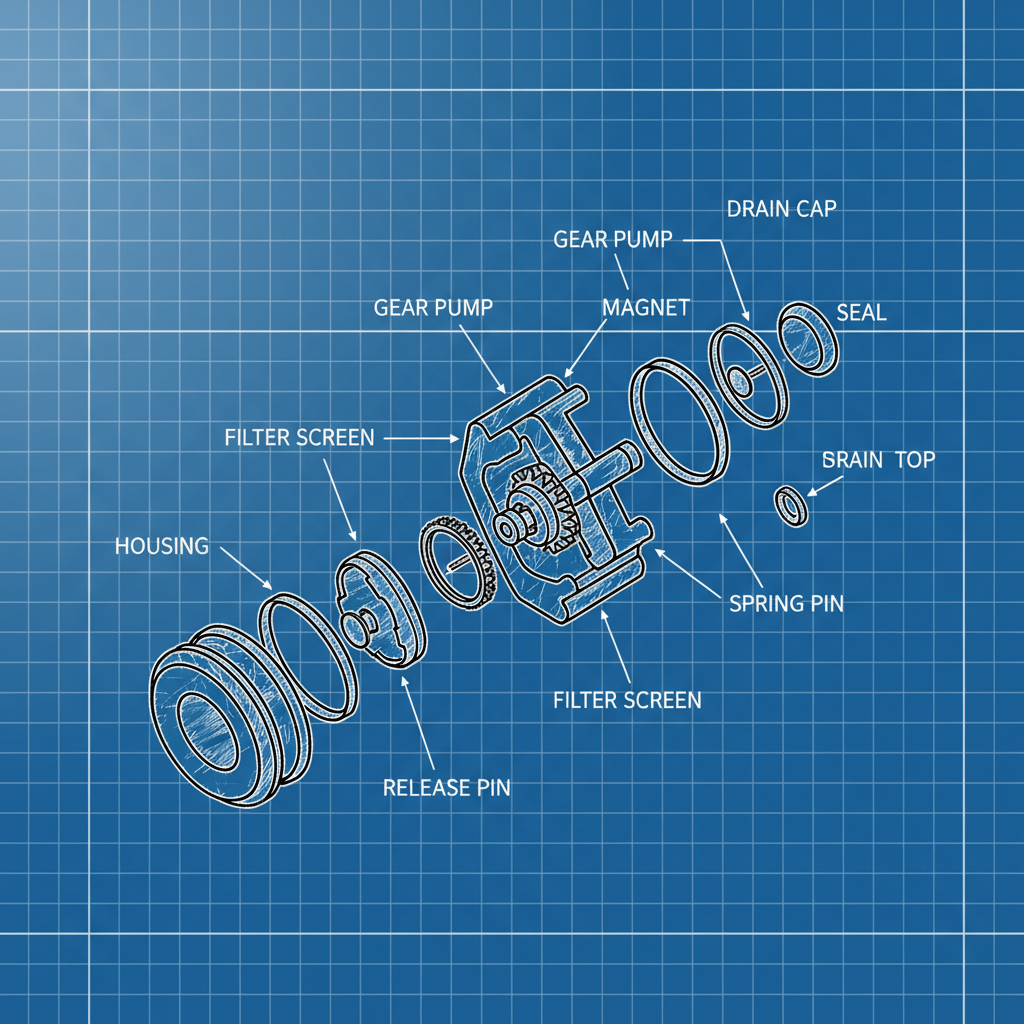
The auto oil drain plug is a threaded fastener located at the bottom of the oil pan. Its primary function is to seal the oil pan, holding the engine oil securely in place. During an oil change, the drain plug is removed to allow the old oil to drain completely. A properly sealed drain plug is essential to prevent oil leaks, which can lead to engine damage, reduced fuel efficiency, and even engine failure. Furthermore, a damaged or incorrectly tightened drain plug can strip the threads in the oil pan, requiring expensive repairs or even oil pan replacement. Selecting a high-quality drain plug from YJM Seal ensures reliability and prevents these potential issues.
Key Benefit: Preventing oil leaks and safeguarding engine health, leading to reduced repair costs and increased vehicle lifespan.
Types of Auto Oil Drain Plugs
Auto oil drain plugs come in several variations, each designed for specific applications and vehicles. Common types include:
- Standard Drain Plugs: These are the most common type, typically made of steel or aluminum.
- Magnetic Drain Plugs: These plugs have a magnetic tip that attracts metallic particles in the oil, helping to keep the oil cleaner and prolong engine life.
- Friction Fit Drain Plugs: These plugs utilize a friction washer for sealing instead of a traditional crush washer.
- One-Time Use Drain Plugs: These plugs are designed to be replaced with each oil change to ensure a secure seal.
Drain Plug Comparison
• Standard: Cost-effective, widely available.
• Magnetic: Enhanced oil cleanliness, protects engine.
• Friction Fit: Reliable sealing, reusable.
Materials Used in Auto Oil Drain Plugs
The material of an auto oil drain plug significantly impacts its durability and performance. Here's a breakdown of common materials:
Proper Installation and Maintenance of Auto Oil Drain Plugs
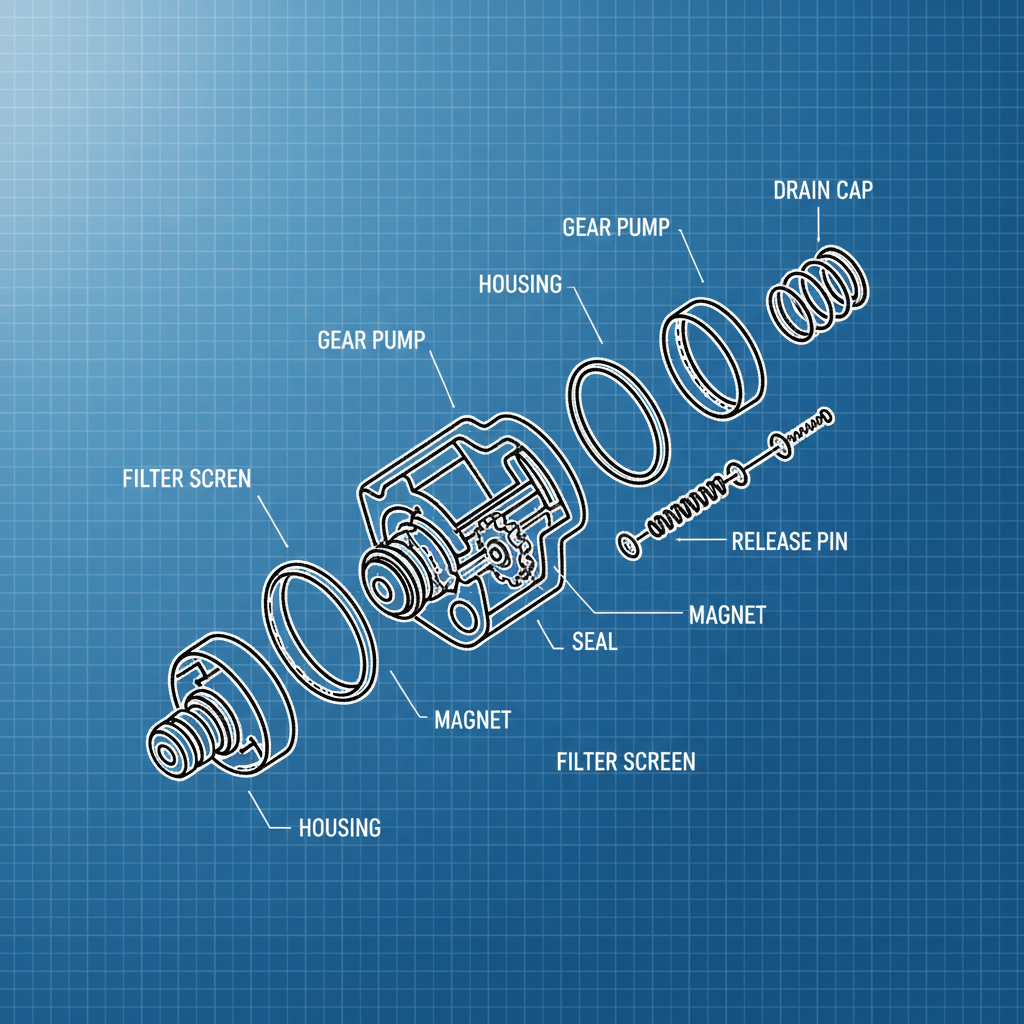
Correct installation and regular maintenance are crucial for ensuring the longevity and reliability of your oil drain plug. Always use a new crush washer with each oil change to create a tight seal. Tighten the drain plug to the manufacturer's specified torque using a torque wrench – over-tightening can strip the threads, while under-tightening can cause leaks. Regularly inspect the drain plug for signs of corrosion or damage. If you notice any issues, replace the plug immediately.
Where to Source High-Quality Auto Oil Drain Plugs
When it comes to auto oil drain plugs, quality matters. Choosing a reputable supplier like YJM Seal ensures you receive a durable, reliable product designed to withstand the demands of your vehicle. We offer a wide range of drain plugs for various makes and models, crafted from high-quality materials and rigorously tested for performance. Investing in a quality drain plug from a trusted source provides peace of mind and protects your engine.
Conclusion: Protecting Your Engine with the Right Drain Plug
The auto oil drain plug is a vital component for maintaining your vehicle’s engine health. Understanding its function, types, materials, and proper maintenance can save you from costly repairs down the road. Choosing a high-quality drain plug from YJM Seal is an investment in the longevity and performance of your vehicle.
Frequently Asked Questions (FAQs)
What torque specification should I use for my oil drain plug?
The correct torque specification varies depending on your vehicle's make, model, and the drain plug material. Always refer to your vehicle's owner's manual or a reputable repair database for the accurate torque value. Using a torque wrench is crucial to avoid over-tightening, which can damage the oil pan threads, or under-tightening, which can lead to oil leaks. Over-tightening can also distort the drain plug gasket, compromising the seal.
Can I reuse my oil drain plug?
While it's technically possible to reuse an oil drain plug, it's generally not recommended. The crush washer, which creates a tight seal, is designed for one-time use and should be replaced with each oil change. Reusing a drain plug can increase the risk of leaks, especially if the threads are damaged or corroded. Replacing the drain plug is a relatively inexpensive precaution that can prevent costly engine damage.
What should I do if I strip the threads in my oil pan?
Stripping the threads in your oil pan is a serious issue that requires professional attention. Options include thread repair kits (such as Heli-Coil) or, in severe cases, oil pan replacement. Attempting to fix the threads yourself without the proper tools and expertise can worsen the problem. Contact a qualified mechanic to assess the damage and recommend the best course of action. Preventative measures, such as using a torque wrench and avoiding over-tightening, are crucial to prevent this issue.
-
Guide to Choosing the Right Washer for Oil Change and Sealing
News Apr.16,2026
-
Essential Guide to High Quality rubber washer oil drain plug
News Apr.09,2026
-
Understanding Rubber Crush Washers for Optimal Sealing Performance
News Apr.07,2026
-
Comprehensive Guide to Understanding and Reusing Crush Washer for Optimal Sealing
News Apr.04,2026
-
The Vital Role of a Drain Screw Gasket in Fluid System Integrity
News Mar.31,2026
-
The Essential Guide to Drain Crush Washer Selection and Plumbing Leak Prevention
News Mar.28,2026
-
The Vital Role of a Crush Washer in Oil Changes for Engine Protection
News Mar.26,2026
Products categories
-
Brass cutlass marine bearing
-
Genuine OEM Engine Oil Filter Housing Cover O-Ring For VW/Audi 06E115446
-
Oil Filter Stand Gasket,Oil filter cover seal
-
Oil Cooler Gasket, Oil Cooler to Oil Filter Housing 11427525335
-
11427508970 BMW - OIL FILTER HOUSING GASKETS
-
SEAL, OIL Genuine Toyota (9031170011)
-
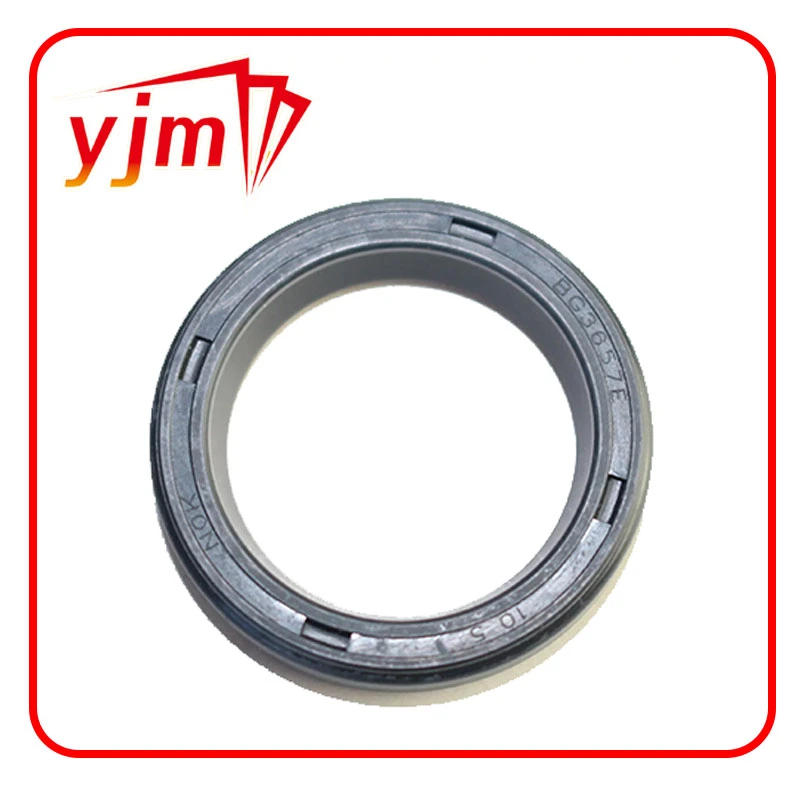
Transfer Case Output Shaft Seal Part 9031223001
-
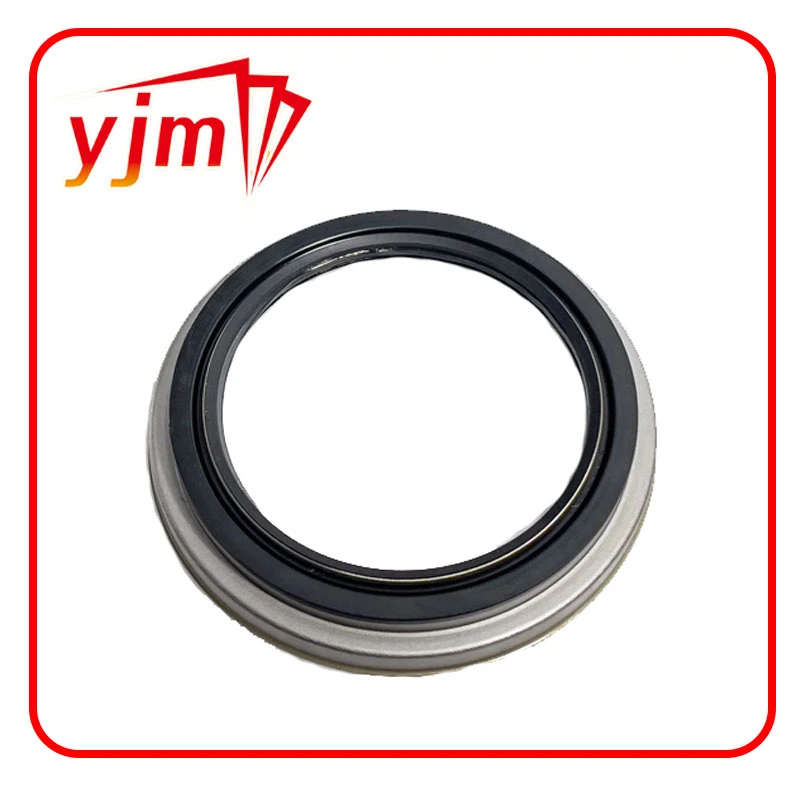
SEAL, OIL Genuine Toyota (9031672001)
-
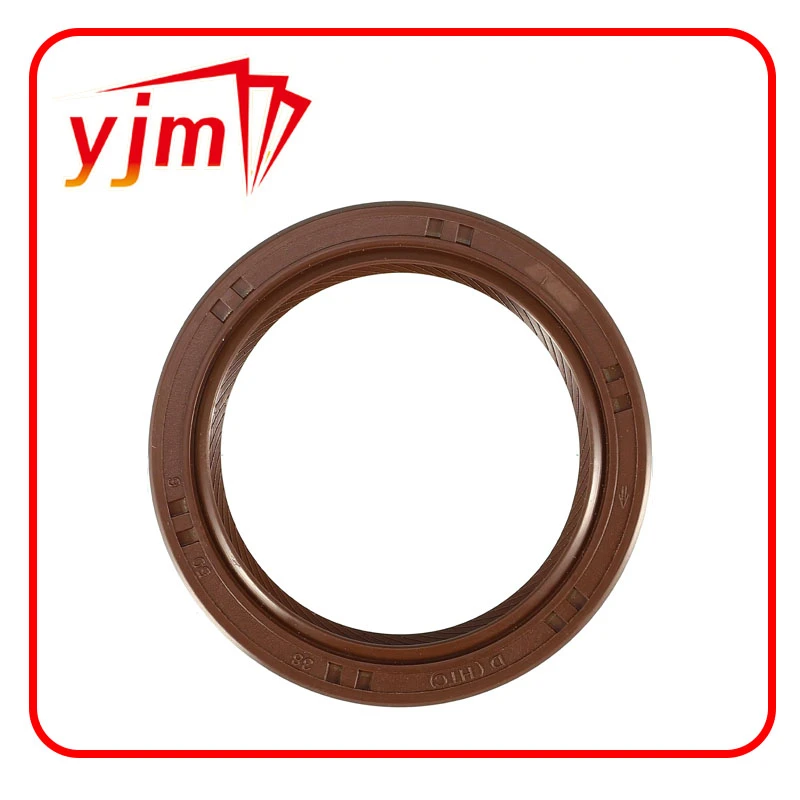
Engine Crankshaft Oil Seal No.9031138096
-
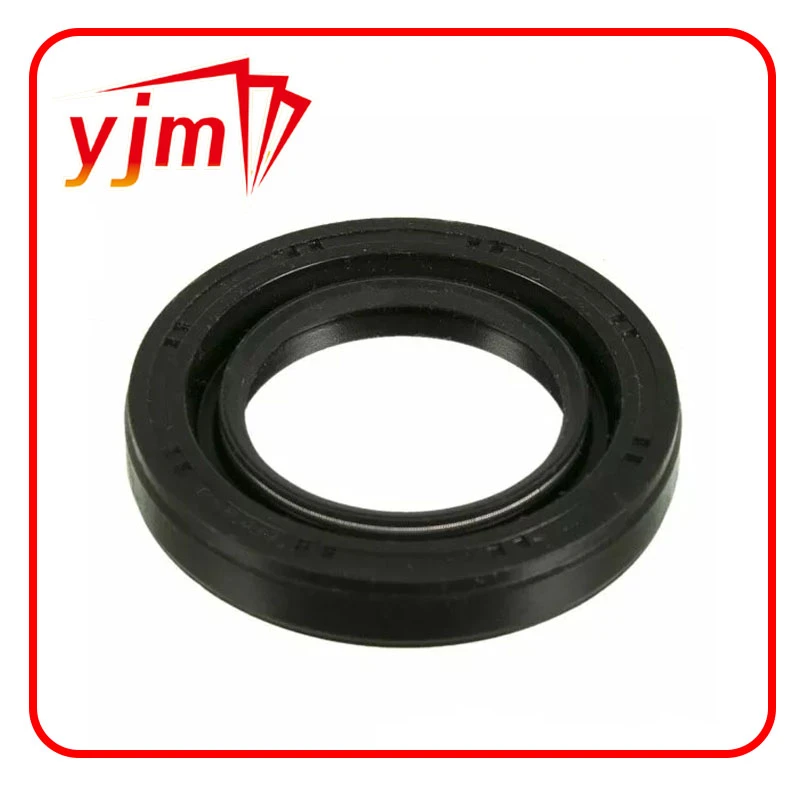
Toyota Transfer Case Output Shaft Seal Front 9031136006
-
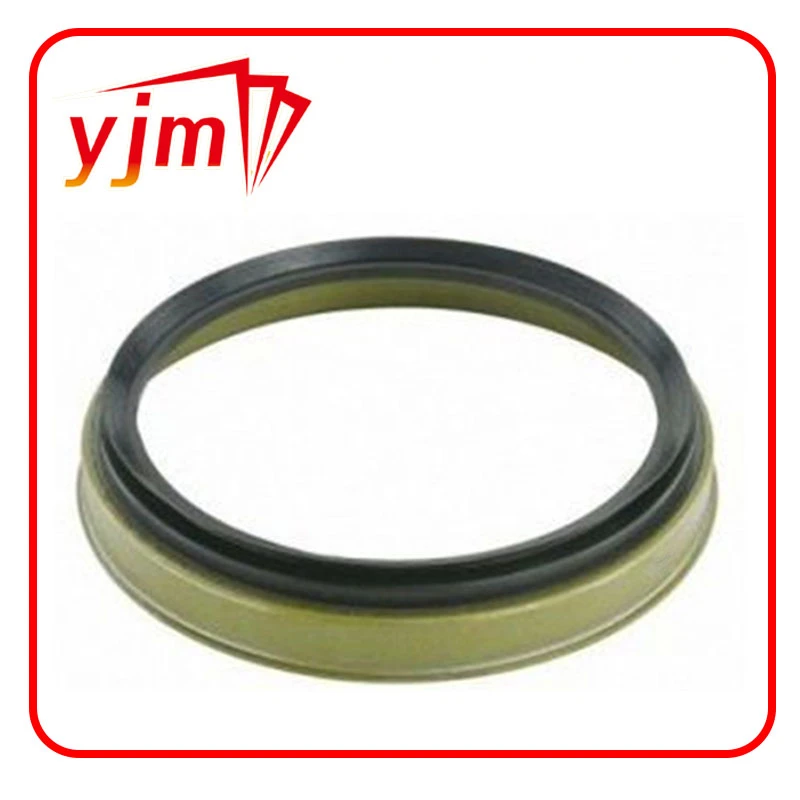
Seal, type v oil 9031287001 TOYOTA
-
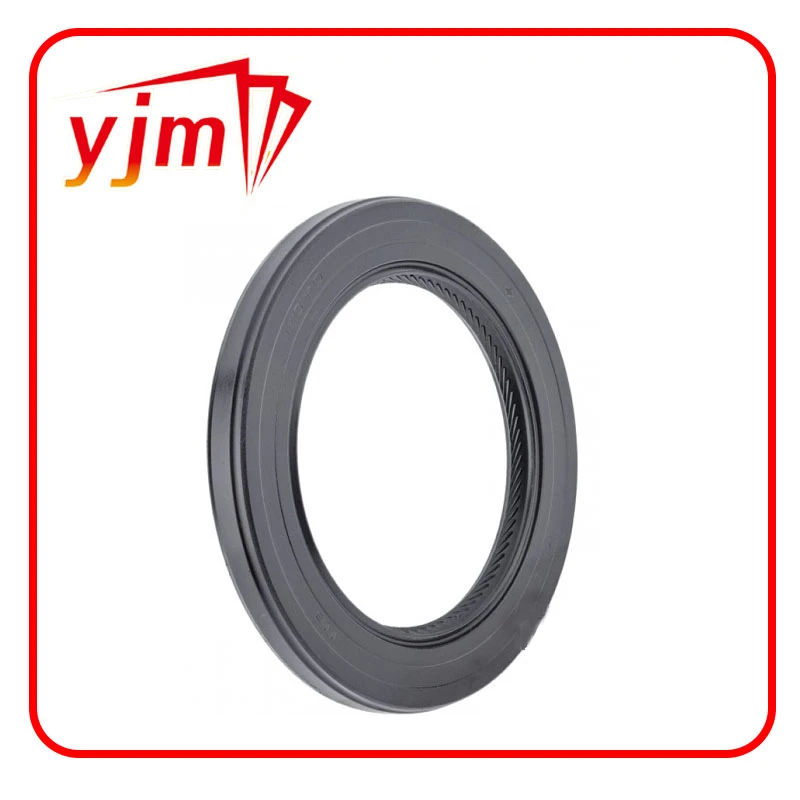
Oil pump seal 9031143010
-
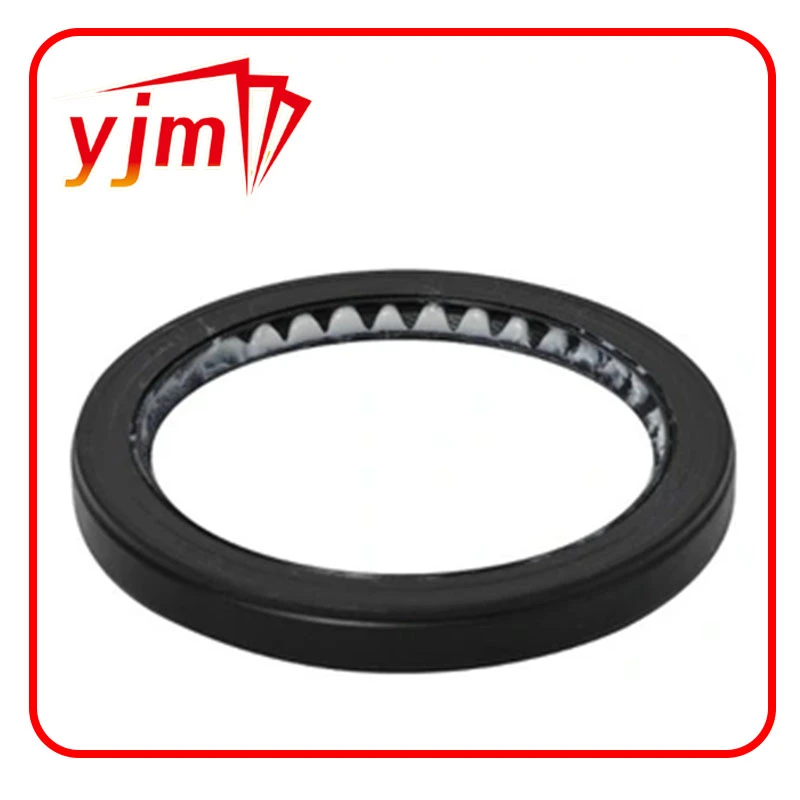
Genuine Toyota Oil SEAL 90311-54006
-
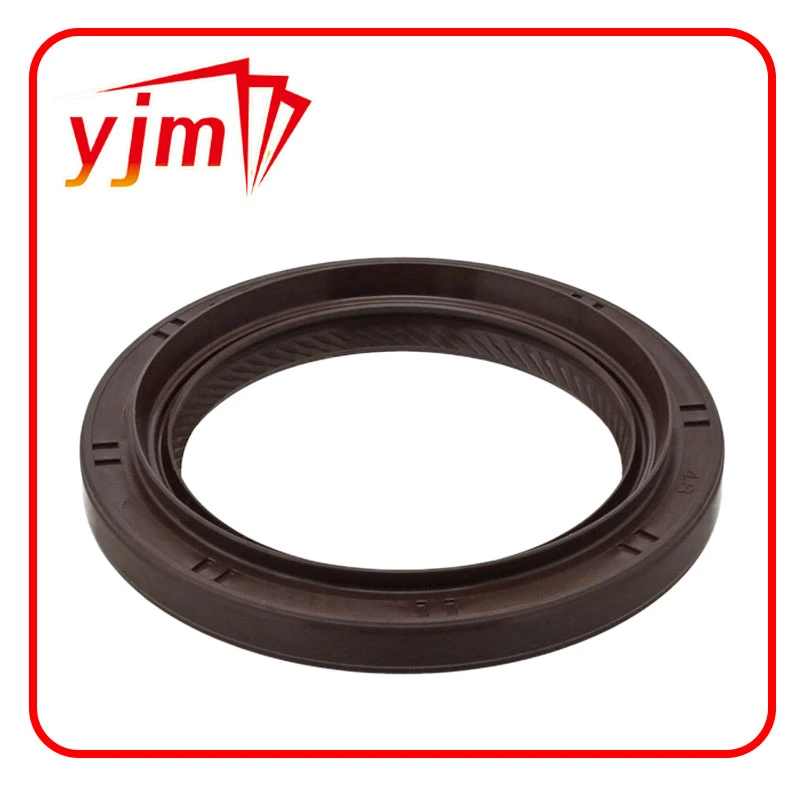
Toyota SEAL TYPE T OIL 90311-48031
-
Type T Oil Seal, Front Drive Shaft, Left 9031150064
-
Seal, type d oil 9031634001 TOYOTA
 Afrikaans
 Albanian
 Amharic
 Arabic
 Armenian
 Azerbaijani
 Basque
 Belarusian
 Bengali
 Bosnian
 Bulgarian
 Catalan
 Cebuano
 Corsican
 Croatian
 Czech
Czech
 Danish
 Dutch
Dutch
 Esperanto
 Estonian
 Finnish
 French
 Frisian
 Galician
 Georgian
 German
 Greek
Greek
 Gujarati
 Haitian Creole
 Hausa
Hausa
 Hawaiian
 Hebrew
 Hindi
Hindi
 Miao
Miao
 Hungarian
 Icelandic
 Igbo
Igbo
 Indonesian
 Irish
Irish
 Italian
 Japanese
 Javanese
 Kannada
 Kazakh
 Khmer
Khmer
 Rwandese
 Korean
 Kurdish
 Kyrgyz
 Lao
Lao
 Latin
Latin
 Latvian
 Lithuanian
 Luxembourgish
 Macedonian
 Malgashi
 Malay
Malay
 Malayalam
 Maltese
 Maori
Maori
 Marathi
 Mongolian
 Myanmar
 Nepali
 Norwegian
 Norwegian
 Occitan
 Pashto
 Persian
 Polish
 Portuguese
 Punjabi
 Romanian
 Russian
 Samoan
 Scottish Gaelic
 Serbian
 Sesotho
 Shona
Shona
 Sindhi
 Sinhala
 Slovak
 Slovenian
 Somali
 Spanish
 Sundanese
 Swahili
 Swedish
 Tagalog
 Tajik
Tajik
 Tamil
Tamil
 Tatar
Tatar
 Telugu
 Thai
Thai
 Turkish
 Turkmen
 Ukrainian
 Urdu
Urdu
 Uighur
 Uzbek
Uzbek
 Vietnamese
 Welsh
Welsh
 Bantu
Bantu
 Yiddish
 Yoruba
 Zulu
Zulu
 English