Metric oil seals are critical components in a vast array of machinery and systems, ensuring the efficient containment of fluids and prevention of contaminants. Their prevalence stems from the global demand for reliable performance in industries ranging from automotive and aerospace to manufacturing and energy. Understanding their function, types, and proper application is paramount for maintaining operational efficiency and preventing costly downtime.
The increasing complexity of modern equipment necessitates highly specialized and durable metric oil seals. This demand is fueled by advancements in materials science and engineering, creating seals that can withstand extreme temperatures, pressures, and chemical exposure. The consistent need for improvements in sealing technology directly impacts global industrial productivity and sustainability.
The precise engineering and standardized sizing of metric oil seals—measured in millimeters—are essential for compatibility with internationally manufactured equipment. This standardization simplifies procurement, reduces errors, and streamlines maintenance processes across diverse global operations. As industries continue to globalize, the importance of these standardized components will only grow.
Introduction to Metric Oil Seals
Metric oil seals are fundamental to the operation of countless machines, serving as barriers against leakage and contamination. They ensure the optimal performance of engines, gearboxes, pumps, and a host of other critical components. The selection of the appropriate seal is dictated by the specific application, considering factors like fluid type, temperature, pressure, and rotational speed.
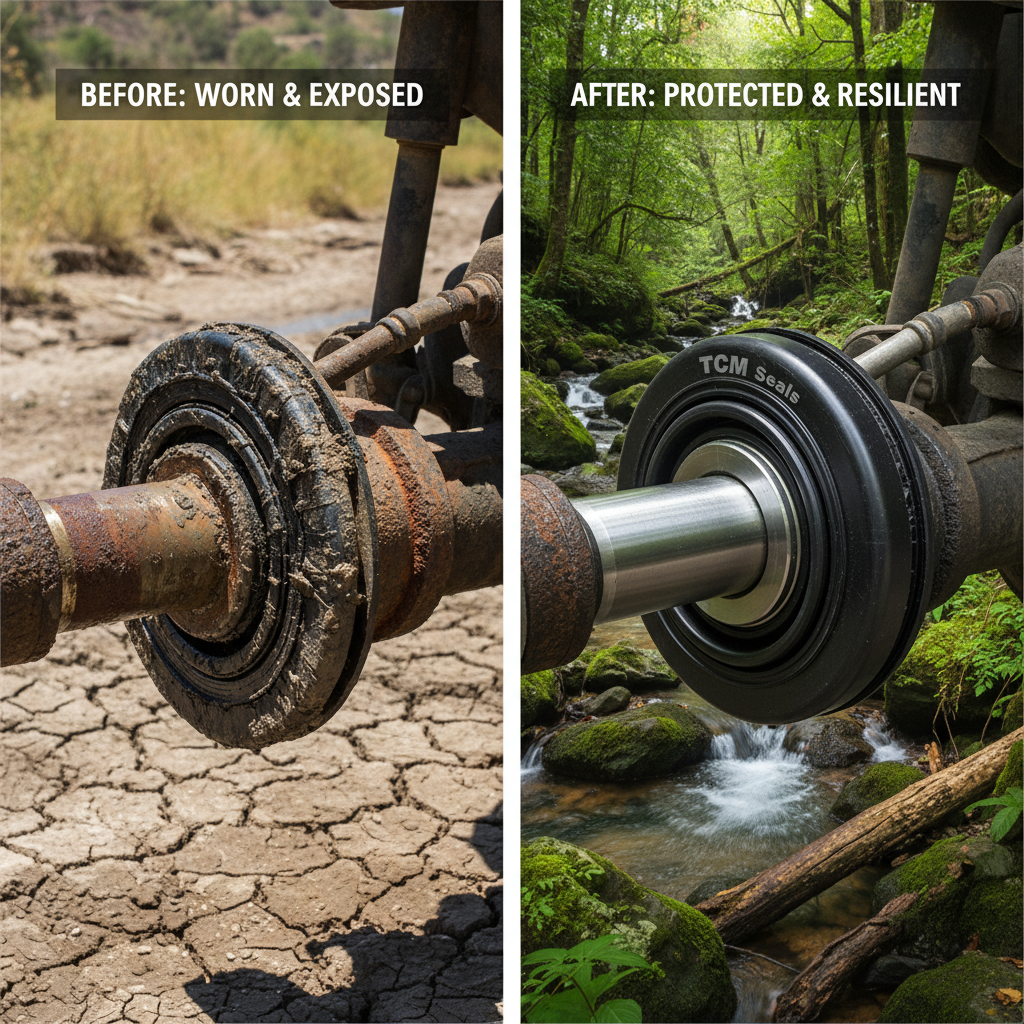
Beyond preventing leaks, metric oil seals contribute significantly to equipment longevity and overall efficiency. By safeguarding internal components from abrasive particles and corrosive substances, they minimize wear and tear, reducing the need for frequent repairs and replacements. Choosing metric oil seals from a reliable manufacturer is a proactive step towards ensuring system reliability.
Global Relevance and Industry Context
The global market for oil seals is substantial and steadily growing, driven by expanding industrial production and increased demand for durable, high-performance machinery. According to recent market reports, the oil seal industry is projected to reach billions of dollars in valuation within the next decade. This growth is particularly pronounced in emerging economies, where infrastructure development and manufacturing sectors are rapidly expanding.
A significant challenge within the industry is meeting the increasingly stringent environmental regulations regarding fluid containment. Leaks not only lead to operational inefficiencies but also pose environmental risks. Consequently, there's a growing demand for oil seals with improved sealing capabilities and environmentally friendly materials. This push towards sustainability is reshaping the design and manufacturing processes.
The automotive industry remains the largest consumer of metric oil seals, followed by industrial machinery, aerospace, and energy sectors. The International Organization for Standardization (ISO) plays a crucial role in defining standards for oil seal dimensions and performance characteristics, ensuring interoperability and quality control across different regions and manufacturers.
Defining Metric Oil Seals
Metric oil seals, at their core, are mechanical components designed to prevent the leakage of fluids (such as oil, grease, or water) and prevent the ingress of contaminants like dust, dirt, and other foreign particles. They achieve this through a precise fit between the seal material, the rotating or reciprocating shaft, and the housing bore. These seals typically consist of an elastomer sealing lip, a reinforcing case (often metal), and sometimes additional components like spring energizers or dust lips.
The “metric” designation refers to the dimensions of the seal being specified in millimeters, adhering to the International System of Units (SI). This standardization is vital for compatibility with globally manufactured equipment, ensuring that a seal sourced from one country can seamlessly integrate into a machine assembled in another. This compatibility is paramount for efficient supply chains and reduced maintenance costs.
Their function directly impacts numerous critical applications, ranging from ensuring the efficient operation of internal combustion engines to protecting sensitive instruments from environmental factors. Proper functioning is integral to maintaining productivity, reducing energy consumption, and preventing catastrophic failures. The reliability of these seemingly small components is integral to modern industry and humanitarian efforts alike.
Key Factors of Metric Oil Seal Performance
The performance of metric oil seals is governed by several key factors. Material Compatibility is essential; the seal material must be chemically resistant to the fluid being sealed and the operating environment. Precision Manufacturing ensures a tight and reliable fit, minimizing leakage pathways.
Temperature Resistance dictates the seal's ability to maintain its properties within the specified operating temperature range. Dynamic Sealing Capability is critical for rotating shafts, requiring the seal lip to maintain constant contact without excessive friction or wear.
Performance Rating of Metric Oil Seal Materials
Global Applications of Metric Oil Seals
Metric oil seals are ubiquitous, finding applications across nearly every industry. In the automotive sector, they are critical for sealing engines, transmissions, and differentials, ensuring efficient power transfer and preventing oil leaks. Industrial machinery, including pumps, compressors, and gearboxes, relies heavily on these seals to maintain operational integrity.
The aerospace industry demands high-performance metric oil seals capable of withstanding extreme temperatures and pressures. These seals are used in aircraft engines, hydraulic systems, and landing gear. Furthermore, the energy sector, including oil and gas production and renewable energy facilities, utilizes specialized seals for pumps, turbines, and other critical equipment.
Advantages and Long-Term Value
Employing high-quality metric oil seals offers substantial long-term value. The initial cost is often offset by reduced maintenance requirements, minimized downtime, and increased equipment lifespan. Preventing fluid leaks translates directly into cost savings, as it eliminates fluid loss and prevents environmental contamination, avoiding potential fines and remediation costs.
Reliable sealing also enhances safety by preventing hazards associated with oil spills or fluid ingress into sensitive components. The peace of mind that comes with knowing your equipment is reliably sealed fosters trust and enhances operational efficiency. Selecting durable metric oil seals provides an investment in long-term operational security.
Future Trends and Innovations in Metric Oil Seals
The future of metric oil seal technology is focused on enhancing performance, sustainability, and integration with emerging technologies. Research is underway to develop new materials with improved resistance to extreme temperatures, pressures, and aggressive chemicals. Advancements in nanotechnology are exploring the use of nano-coatings to reduce friction and improve wear resistance.
The integration of sensors into oil seals is a promising trend, enabling real-time monitoring of seal health and performance. These “smart seals” can provide early warnings of potential failures, allowing for proactive maintenance and preventing costly downtime. Additionally, the development of biodegradable and bio-based seal materials is gaining momentum, aligning with the global push for environmentally friendly solutions.
FAQS
The primary difference lies in the measurement system used. Metric seals are sized in millimeters, conforming to the ISO standard, while imperial seals use inches. This difference affects compatibility with equipment manufactured to different standards. Metric seals offer greater precision and standardization for global manufacturing, reducing errors and simplifying procurement.
Correct selection involves considering several factors: shaft diameter, shaft speed, fluid type, operating temperature, and pressure. Consult a seal manufacturer’s catalog or a technical specialist to ensure compatibility. Improper seal selection can lead to premature failure and costly repairs.
Common materials include Nitrile Rubber (NBR) for general-purpose applications, Viton (FKM) for high temperature and chemical resistance, Silicone Rubber for extreme temperatures, Polyurethane for abrasion resistance, and PTFE for exceptional chemical compatibility.
Proper lubrication, maintaining clean operating conditions, and avoiding excessive shaft speeds or pressures can significantly extend seal life. Regular inspection for wear and tear is also crucial for early detection of potential issues.
Compatibility varies depending on the seal material. NBR is suitable for oil-based fluids, while Viton is better for fuels and aggressive chemicals. PTFE offers broad chemical resistance. Always verify material compatibility before installation.
Consider seals made from environmentally friendly materials, such as biodegradable elastomers. Selecting seals that prevent leaks minimizes environmental contamination. Also, explore options for recycling or responsible disposal of used seals.
Conclusion
Metric oil seals are indispensable components in a vast range of industries, providing crucial protection against fluid leakage and contamination. Their performance relies on factors such as material compatibility, precision manufacturing, and operating conditions. As technology advances, innovations in materials and sensing capabilities promise even greater efficiency, reliability, and sustainability.
Investing in high-quality metric oil seals from a reputable supplier like YJM Seal is a strategic decision that safeguards equipment, reduces operating costs, and promotes environmental responsibility. Proactive maintenance and careful seal selection will continue to be vital for ensuring the smooth operation of machinery and systems across the globe.






 English
  Afrikaans
  Albanian
  Amharic
  Arabic
  Armenian
  Azerbaijani
  Basque
  Belarusian
  Bengali
  Bosnian
  Bulgarian
  Catalan
  Cebuano
  Corsican
  Croatian
  Czech
Czech  Danish
  Dutch
Dutch  Esperanto
  Estonian
  Finnish
  French
  Frisian
  Galician
  Georgian
  German
  Greek
Greek  Gujarati
  Haitian Creole
  Hausa
Hausa  Hawaiian
  Hebrew
  Hindi
Hindi  Miao
Miao  Hungarian
  Icelandic
  Igbo
Igbo  Indonesian
  Irish
Irish  Italian
  Japanese
  Javanese
  Kannada
  Kazakh
  Khmer
Khmer  Rwandese
  Korean
  Kurdish
  Kyrgyz
  Lao
Lao  Latin
Latin  Latvian
  Lithuanian
  Luxembourgish
  Macedonian
  Malgashi
  Malay
Malay  Malayalam
  Maltese
  Maori
Maori  Marathi
  Mongolian
  Myanmar
  Nepali
  Norwegian
  Norwegian
  Occitan
  Pashto
  Persian
  Polish
  Portuguese
  Punjabi
  Romanian
  Russian
  Samoan
  Scottish Gaelic
  Serbian
  Sesotho
  Shona
Shona  Sindhi
  Sinhala
  Slovak
  Slovenian
  Somali
  Spanish
  Sundanese
  Swahili
  Swedish
  Tagalog
  Tajik
Tajik  Tamil
Tamil  Tatar
Tatar  Telugu
  Thai
Thai  Turkish
  Turkmen
  Ukrainian
  Urdu
Urdu  Uighur
  Uzbek
Uzbek  Vietnamese
  Welsh
Welsh  Bantu
Bantu  Yiddish
  Yoruba
  Zulu
Zulu