M14x1.25 Oil Drain Plug – Quality, Specs & Vendor Guide
Understanding the M14x1.25 Oil Drain Plug – A Tiny Part with Big Impact
You might not give it much thought at first—the humble oil drain plug. But if you’ve spent any time around heavy machinery, automotive repair, or industrial equipment, you’ll know it’s a small but crucial component. The M14x1.25 oil drain plug is one of those parts that quietly prevents headaches and pool spills beneath engines.
Now, I’ve been around these plugs for over a decade, working in industrial maintenance and equipment supply. Oddly enough, it’s sometimes the simplest things that cause the most downtime if they fail. A faulty or improperly sized drain plug inevitably leads to leaky engine bays—or worse, environmental hazards with oil drips on the floor.
The M14x1.25 designation refers to the bolt thread size and pitch—M14 means a 14-millimeter diameter, and 1.25 is the thread pitch in millimeters. This size is pretty common in a range of vehicles, from passenger cars to light trucks and various industrial machines. I suppose what’s interesting is how many variations you find even within this single size—a metric like this doesn’t tell you everything about quality or design.
For instance, you’ve got steel plugs, aluminum ones, and plugs with magnetic properties. Magnetic drain plugs are a neat little trick—they attract metal shavings floating in the oil, helping protect your engine from abrasive wear. When I first installed one on a company truck, it was clear how it caught tiny fragments that would otherwise circulate freely. It feels like a simple upgrade but ends up saving real money on engine rebuilds.
Materials and manufacturing processes have evolved over time, especially since environmental regulations got tougher. A reliable oil drain plug needs to seal perfectly but also withstand heat, pressure, and corrosion. Many newer designs use advanced coatings or heat-treated steels to prolong service life.
Then there’s the matter of the sealing surface and washer, which are often overlooked but crucial. From my experience, replacing the copper crush washer every oil change is a small but vital ritual—skip it, and you risk leaks. Some plugs come with reusable rubber or polymer seals, but they don’t always do the job as well in harsh conditions.
If you’re sourcing drain plugs for fleet maintenance or industrial machinery, you’re probably balancing cost and durability. Let me show you a quick overview of a typical M14x1.25 oil drain plug spec, so you have a clearer picture:
| Specification | Details |
|---|---|
| Thread Size | M14 x 1.25 mm pitch |
| Material | Heat-treated steel (some with magnetic core) |
| Seal Type | Copper crush washer or reusable rubber |
| Torque Spec | Typically 20-25 Nm (varies by vehicle) |
| Finish | Zinc plating or black oxide (corrosion resistant) |
One thing many engineers swear by (including myself) is buying from trusted vendors with proven quality control. It’s tempting to pick the cheapest plug off eBay or some no-name supplier, but frankly, the risk of cross-threading or poor sealing can cost more in downtime than the plug itself.
Here’s a quick vendor comparison I put together when sourcing these for a service shop. I’ve worked with these three suppliers over the years, and while not exhaustive, this might help you get started:
| Vendor | Quality & Testing | Price Range | Lead Time |
|---|---|---|---|
| YJM Seal | 100% thread inspection, magnetic plugs tested for metal capture | $$ | 1-2 weeks |
| Generic Supplier A | Basic visual inspection | $ | Varies |
| Industrial Parts Co. | Third-party torque test certified | $$$ | 2-4 weeks |
In real terms, when I swap out drain plugs during a routine service, I keep an eye on wear patterns and leakage history. Once, a truck in our fleet kept showing slow leaks, and after a bit of detective work, it came down to a cheap aftermarket plug that didn’t seat properly. Switching to a quality M14x1.25 plug from YJM Seal fixed the issue—and the mechanic who does the oil changes noticed fewer 'surprises' in the weeks that followed.
As things stand, the M14x1.25 remains a solid choice for many applications, whether you’re maintaining a pickup truck, an industrial generator, or construction equipment. It’s not glamorous—just important. The kind of part where investing a little wisdom upfront pays dividends down the road.
Hopefully, sharing some of these details gives you a clearer picture of why picking the right oil drain plug cannot be left to chance. You know, it’s the little things that keep the big machines running smoothly.
For more details and sourcing, check out YJM Seal—they’re one of the most trusted vendors I’ve worked with.
Takeaway: small parts like the M14x1.25 oil drain plug make all the difference between smooth operation and costly downtime.
References:
- Technical insights from vehicle service manuals and torque specifications.
- Practical experience maintaining industrial and automotive fleets.
- Vendor quality assurance documentation from YJM Seal and industry suppliers.
-
Guide to Choosing the Right Washer for Oil Change and Sealing
News Apr.16,2026
-
Essential Guide to High Quality rubber washer oil drain plug
News Apr.09,2026
-
Understanding Rubber Crush Washers for Optimal Sealing Performance
News Apr.07,2026
-
Comprehensive Guide to Understanding and Reusing Crush Washer for Optimal Sealing
News Apr.04,2026
-
The Vital Role of a Drain Screw Gasket in Fluid System Integrity
News Mar.31,2026
-
The Essential Guide to Drain Crush Washer Selection and Plumbing Leak Prevention
News Mar.28,2026
-
The Vital Role of a Crush Washer in Oil Changes for Engine Protection
News Mar.26,2026
Products categories
-
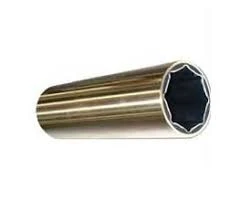
Brass cutlass marine bearing
-
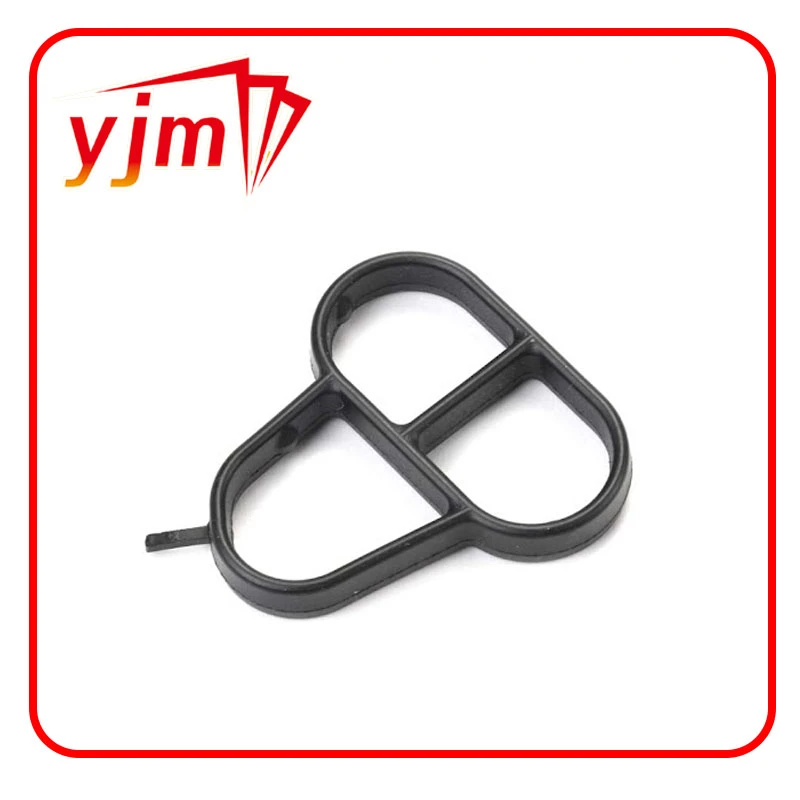
Genuine OEM Engine Oil Filter Housing Cover O-Ring For VW/Audi 06E115446
-
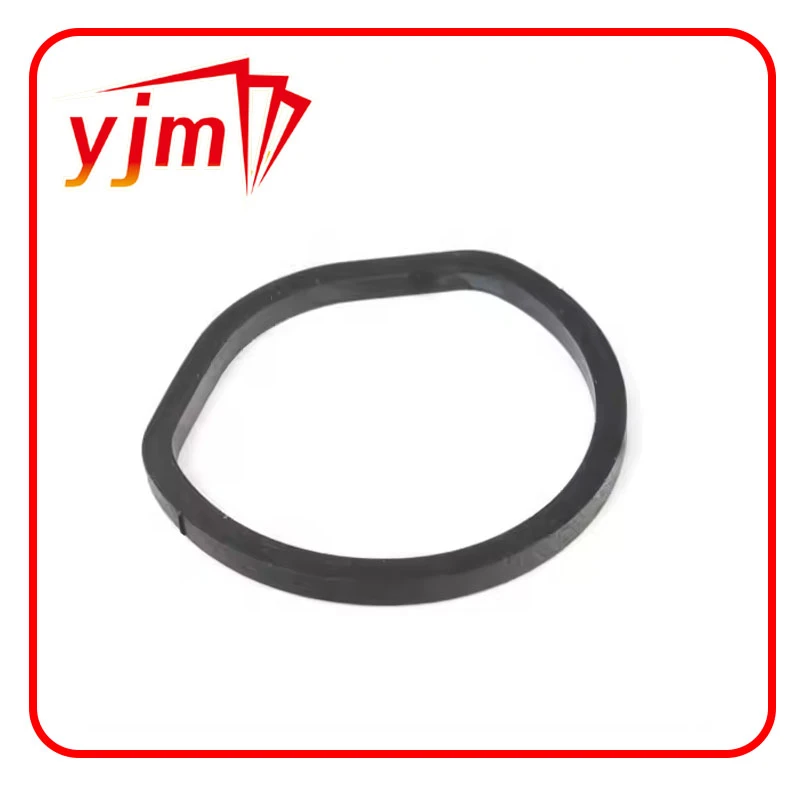
Oil Filter Stand Gasket,Oil filter cover seal
-
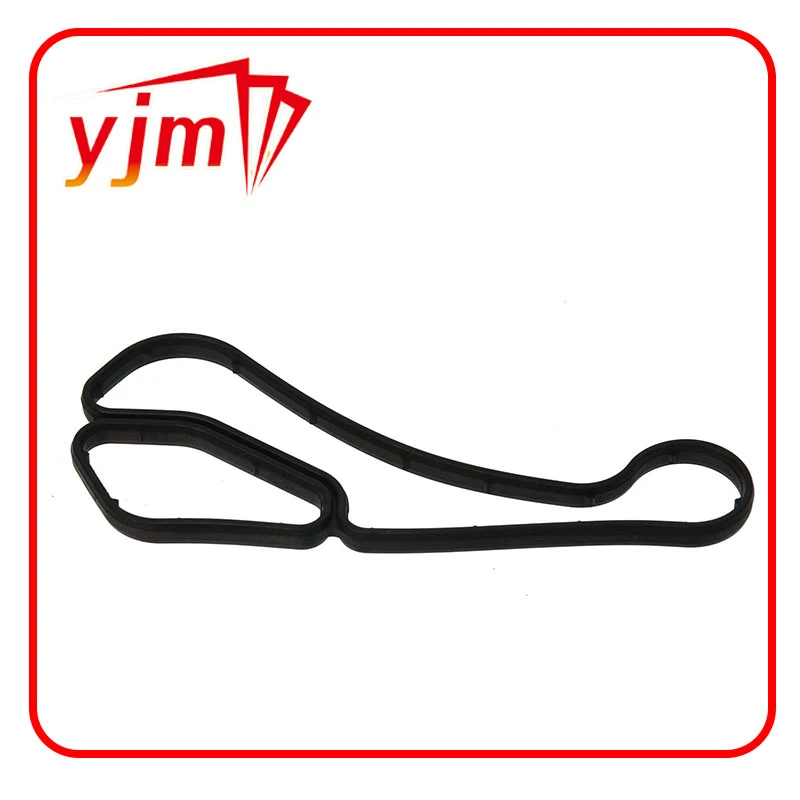
Oil Cooler Gasket, Oil Cooler to Oil Filter Housing 11427525335
-
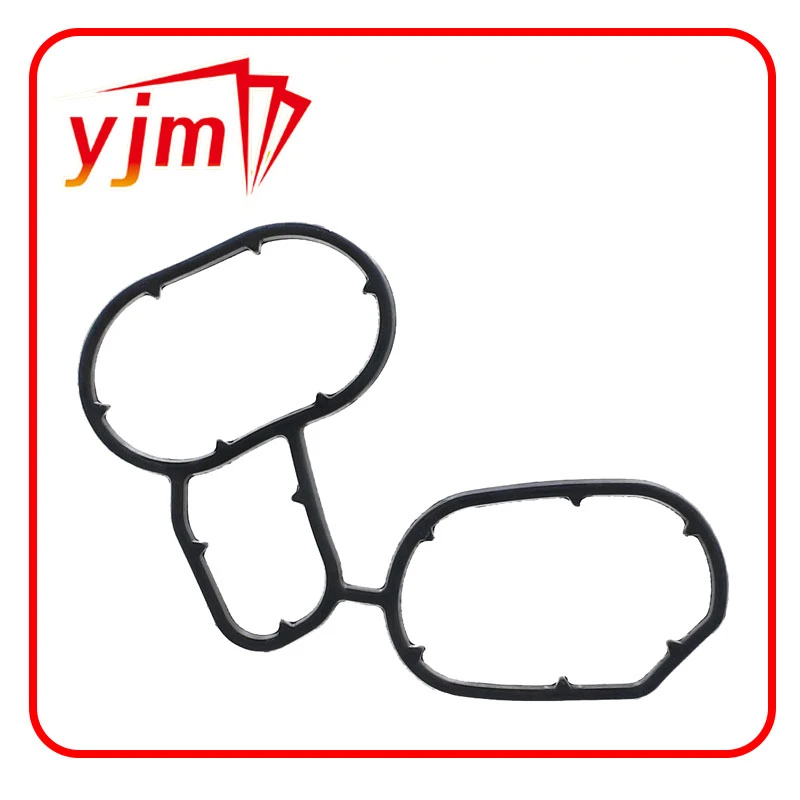
11427508970 BMW - OIL FILTER HOUSING GASKETS
-
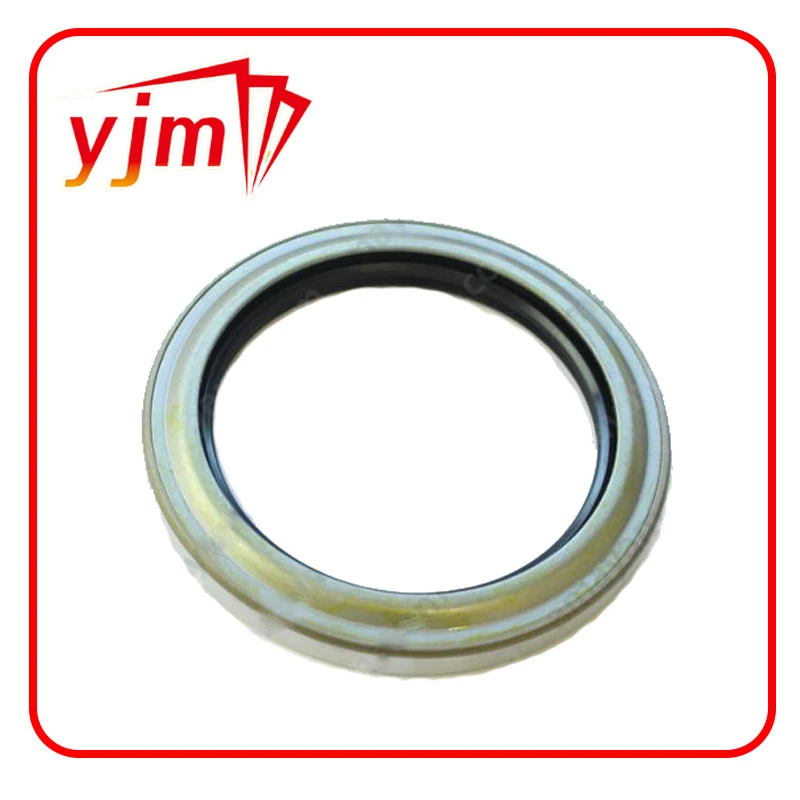
SEAL, OIL Genuine Toyota (9031170011)
-
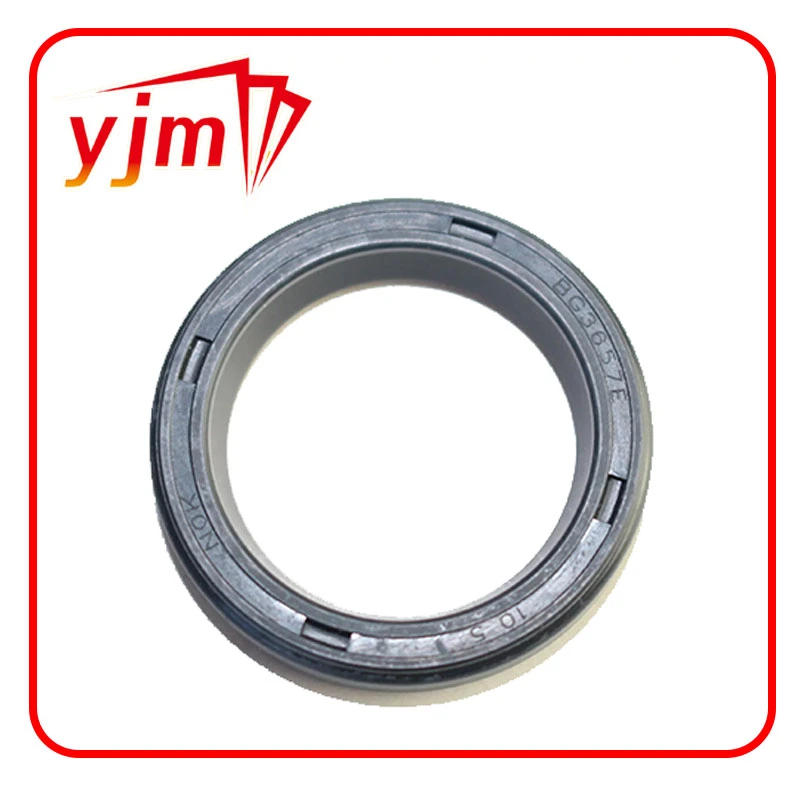
Transfer Case Output Shaft Seal Part 9031223001
-
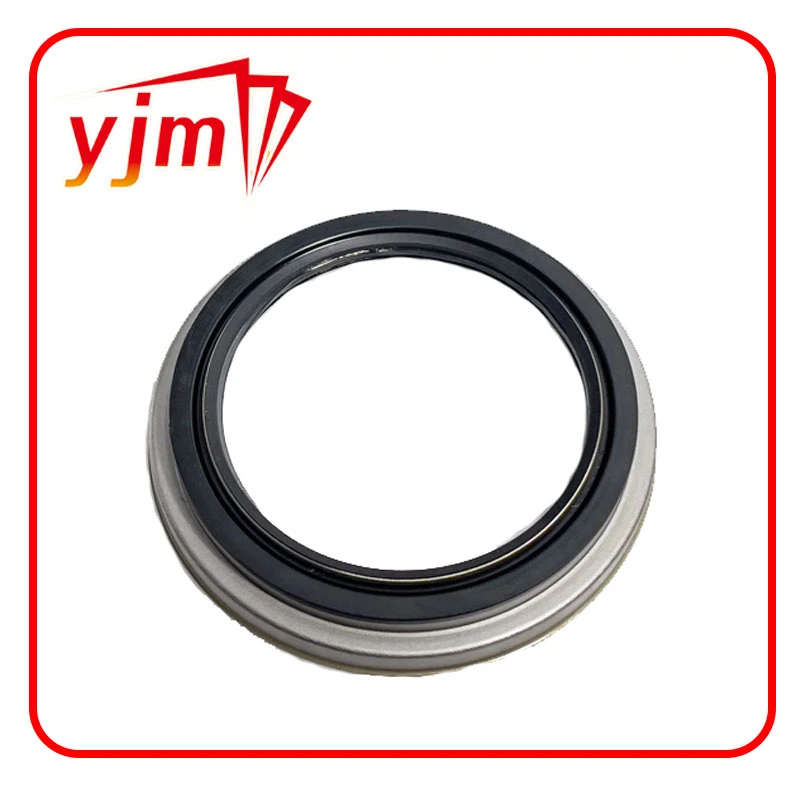
SEAL, OIL Genuine Toyota (9031672001)
-
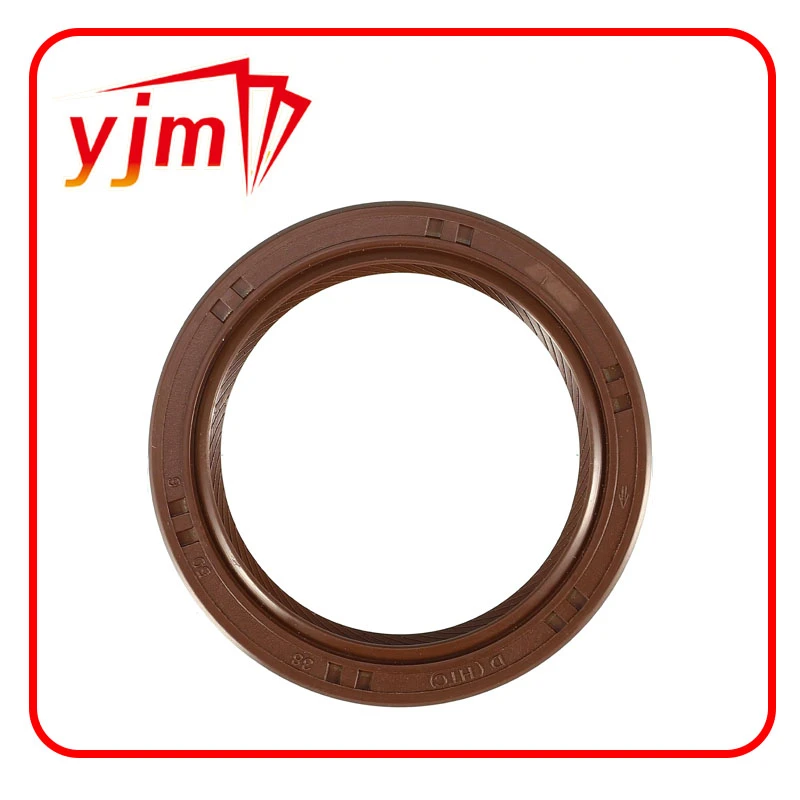
Engine Crankshaft Oil Seal No.9031138096
-
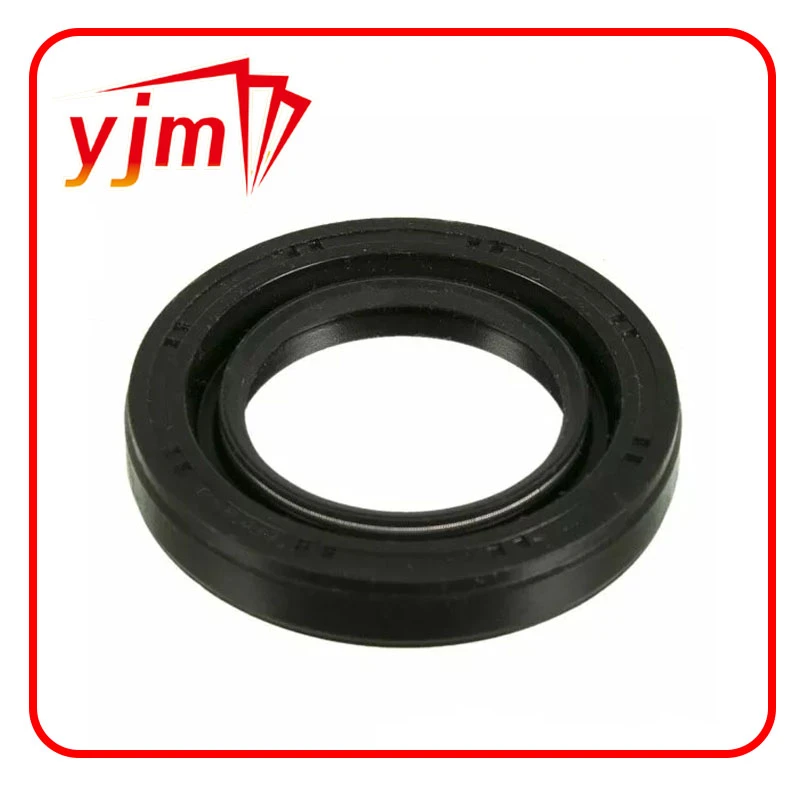
Toyota Transfer Case Output Shaft Seal Front 9031136006
-
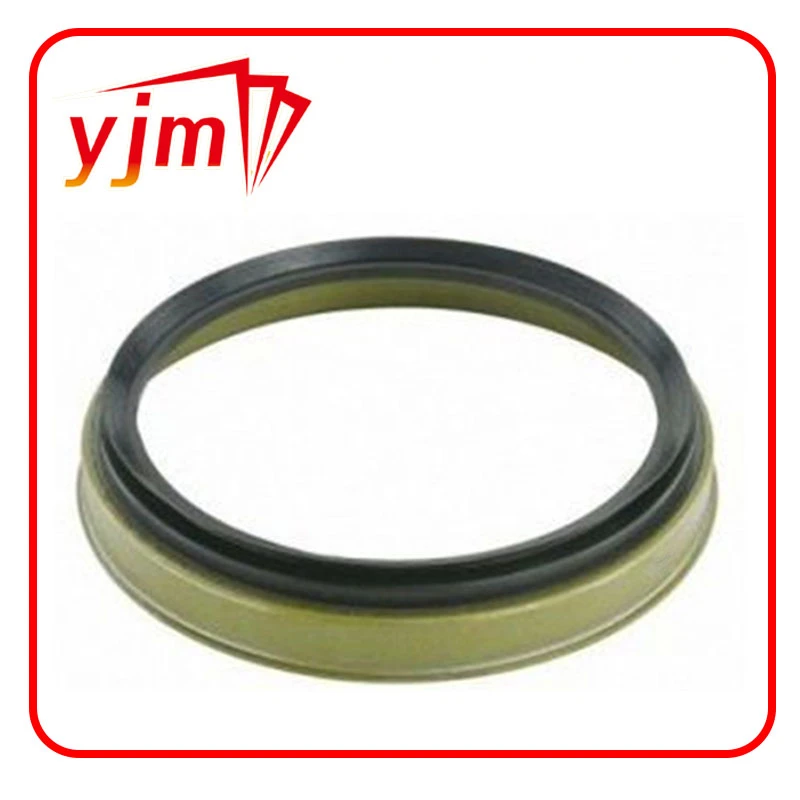
Seal, type v oil 9031287001 TOYOTA
-
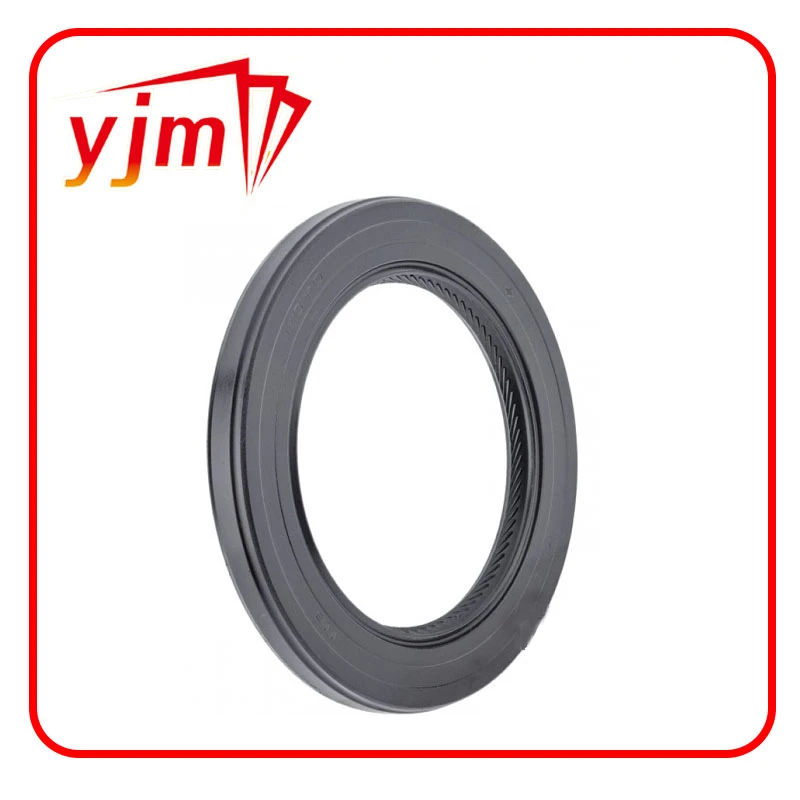
Oil pump seal 9031143010
-
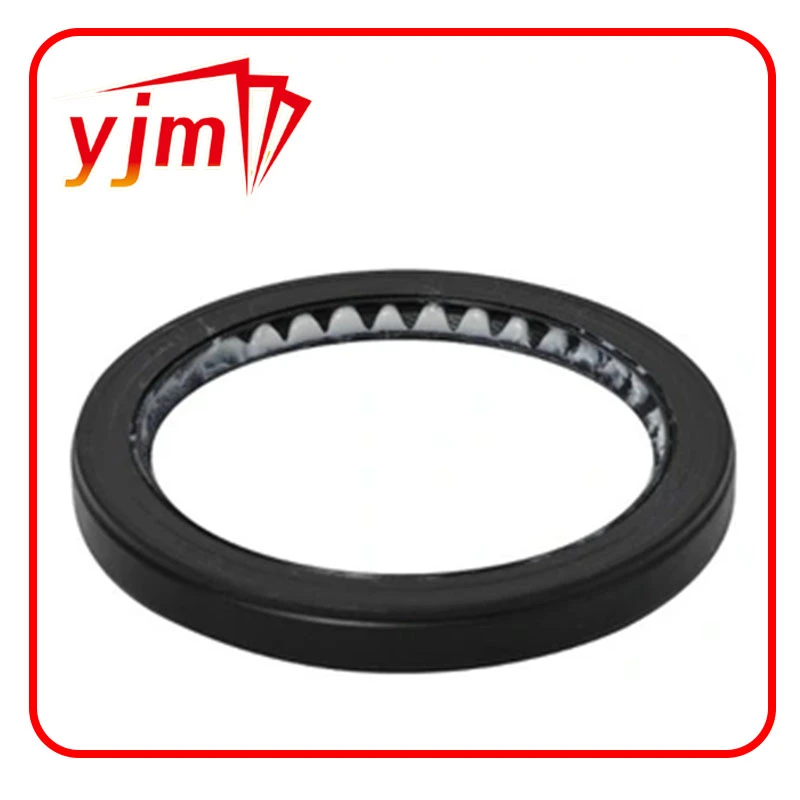
Genuine Toyota Oil SEAL 90311-54006
-
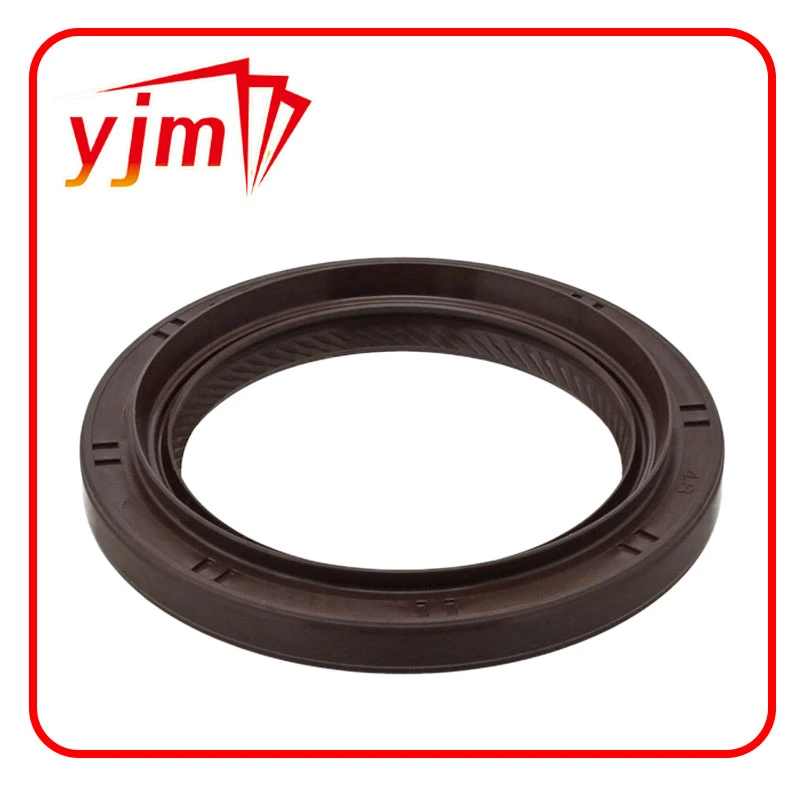
Toyota SEAL TYPE T OIL 90311-48031
-
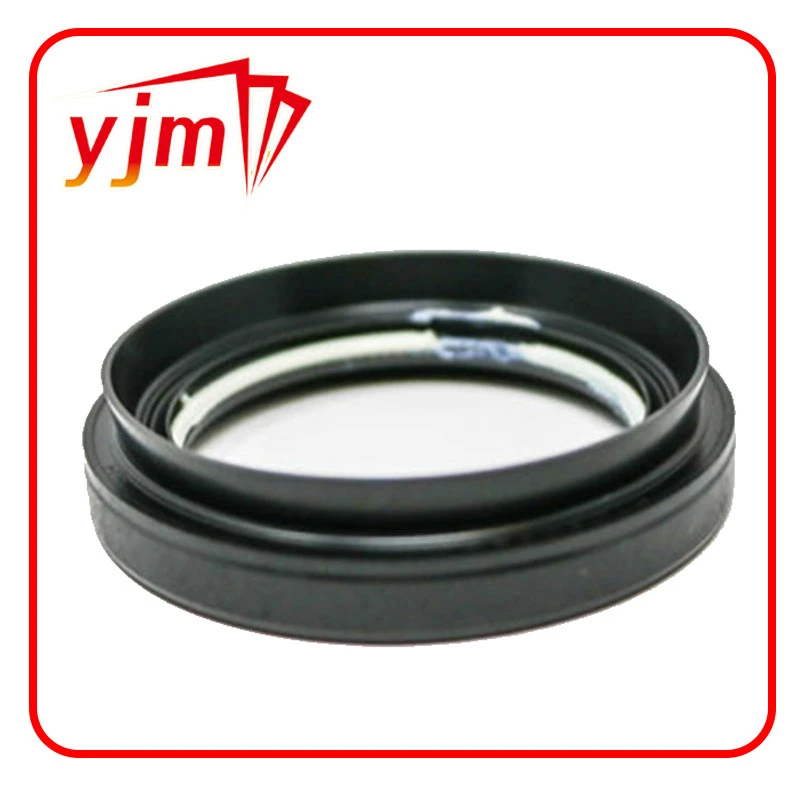
Type T Oil Seal, Front Drive Shaft, Left 9031150064
-
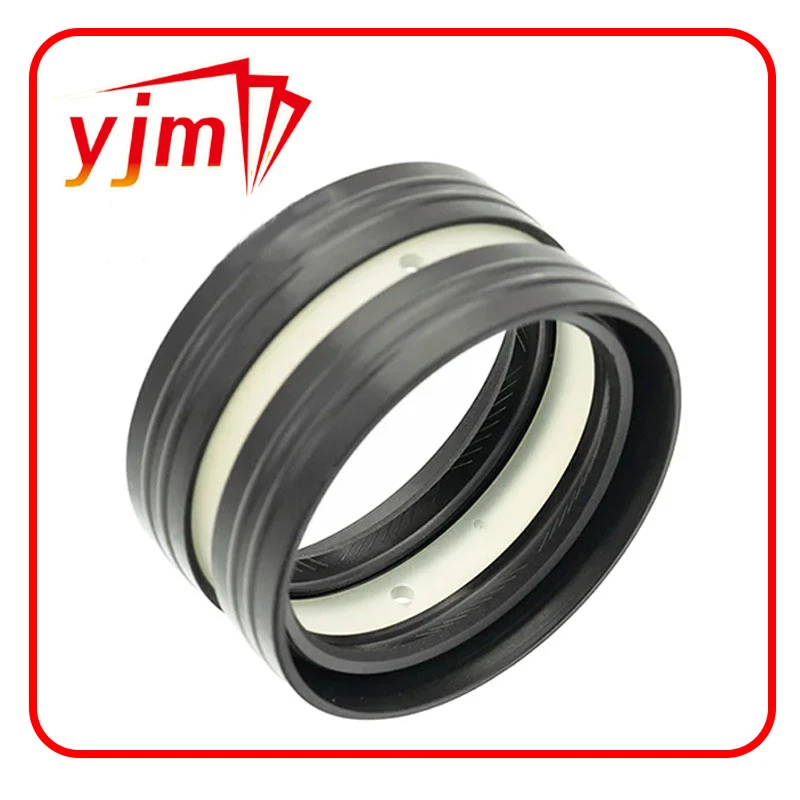
Seal, type d oil 9031634001 TOYOTA
 Afrikaans
 Albanian
 Amharic
 Arabic
 Armenian
 Azerbaijani
 Basque
 Belarusian
 Bengali
 Bosnian
 Bulgarian
 Catalan
 Cebuano
 Corsican
 Croatian
 Czech
Czech
 Danish
 Dutch
Dutch
 Esperanto
 Estonian
 Finnish
 French
 Frisian
 Galician
 Georgian
 German
 Greek
Greek
 Gujarati
 Haitian Creole
 Hausa
Hausa
 Hawaiian
 Hebrew
 Hindi
Hindi
 Miao
Miao
 Hungarian
 Icelandic
 Igbo
Igbo
 Indonesian
 Irish
Irish
 Italian
 Japanese
 Javanese
 Kannada
 Kazakh
 Khmer
Khmer
 Rwandese
 Korean
 Kurdish
 Kyrgyz
 Lao
Lao
 Latin
Latin
 Latvian
 Lithuanian
 Luxembourgish
 Macedonian
 Malgashi
 Malay
Malay
 Malayalam
 Maltese
 Maori
Maori
 Marathi
 Mongolian
 Myanmar
 Nepali
 Norwegian
 Norwegian
 Occitan
 Pashto
 Persian
 Polish
 Portuguese
 Punjabi
 Romanian
 Russian
 Samoan
 Scottish Gaelic
 Serbian
 Sesotho
 Shona
Shona
 Sindhi
 Sinhala
 Slovak
 Slovenian
 Somali
 Spanish
 Sundanese
 Swahili
 Swedish
 Tagalog
 Tajik
Tajik
 Tamil
Tamil
 Tatar
Tatar
 Telugu
 Thai
Thai
 Turkish
 Turkmen
 Ukrainian
 Urdu
Urdu
 Uighur
 Uzbek
Uzbek
 Vietnamese
 Welsh
Welsh
 Bantu
Bantu
 Yiddish
 Yoruba
 Zulu
Zulu
 English