How to Choose a Cassette Seals Manufacturer for Severe-Service Equipment
Choose a cassette seals manufacturer that can match the seal profile, polymer, dimensions, and operating limits to your equipment. Cassette Seals fit reducers, gearboxes, and torque hubs exposed to fluid and severe contamination, with standard and custom designs for different conditions.

-20F to +250F
NBR standard lip temperature
-40F to +400F
FKM standard lip temperature
-40 °F
Minimum operating temperature
400 °F (204 °C)
Maximum operating temperature
Cassette seals suit equipment that needs fluid retention and contamination exclusion in severe environments. To choose a cassette seals manufacturer, assess how clearly the supplier can match your shaft and housing dimensions, operating limits, contamination exposure, casing profile, and installation requirements to a suitable Cassette Seals design.
Start with the service conditions
Cassette Seals are used in reducers, gearboxes, and torque hubs operating in severe service. Applications include wash-down work on gear reducers used in food processing, plus mining, agriculture, and power generation where environmental debris can reach the sealing area.
The unitized construction places spring-loaded sealing elements on a self-contained internal wear sleeve. Multiple sealing contact points and optional excluder lips support fluid retention and exclusion of mud, dust, water spray, and other debris. The design also eliminates the need for a specific shaft surface finish and hardness.
When comparing suppliers, ask them to connect the proposed seal design to the actual contamination source and working conditions. A supplier should be able to distinguish a standard design from a custom design when the assembly involves high misalignment, pressure, or axial movement. JULU YJM HWMF SEAL CO.,LTD. offers standard and custom Cassette Seals for these different design requirements.
Check the manufacturer against the dimensional fit
A manufacturer should review the shaft diameter, bore condition, housing material, and casing profile as one assembly. Cassette Seals cover shaft diameters from 0.500 to 14.000 inch (10 to 350 mm), giving the supplier a defined size range for the initial fit review.
The casing choice depends on the housing. The CB profile uses a metal case with YJM bore sealant. The CL and CH profiles use a rubber-covered OD for improved OD sealing and soft alloy housings. Rubber-covered metal casings also support sealing against the bore where thermal expansion is a concern.
Ask the supplier to identify the applicable profile and state the installation method. CB installation requires a special installation tool, so this detail belongs in the maintenance plan before ordering.
Compare material and operating-limit checks
A suitable supplier should review polymer choice with temperature and fluid conditions. Available polymer options are NBR, XNBR, and FKM (FPM). Standard lip material ranges are -20F to +250F for NBR and -40F to +400F for FKM. The operating temperature limits are -40 °F minimum and 400 °F (204 °C) maximum.
Speed and pressure must be assessed together. Standard designs support surface speeds of 2000 to 3200 ft/min (10.2 to 16.3 m/s), depending on pressure. Maximum operating pressure is 0 to 7 psi (0 to 0.48 bar), depending on shaft speed.
| Parameter | Cassette Seals range or limit |
|---|---|
| Shaft diameter | 0.500 to 14.000 inch (10 to 350 mm) |
| NBR standard lip temperature | -20F to +250F |
| FKM standard lip temperature | -40F to +400F |
| Minimum operating temperature | -40 °F |
| Maximum operating temperature | 400 °F (204 °C) |
| Surface speed | 2000 to 3200 ft/min (10.2 to 16.3 m/s) |
| Maximum operating pressure | 0 to 7 psi (0 to 0.48 bar) |
| Maximum shaft dynamic runout | 0.010” (0.254 mm) |
| Maximum shaft-to-bore misalignment | 0.010” (0.254 mm) |
A supplier comparison is stronger when each manufacturer responds to the same operating data. This lets you compare the proposed polymer, profile, and design type on an equivalent basis.
Evaluate contamination and movement capability
Specify the contamination source directly: water spray, mud, dust, pollution, or other debris. Excluder lips can be added for water spray, debris, pollution, and other contamination. A patented axial face seal surface supports dirt exclusion, and YJM sealant fills small imperfections in the bore.
Standard designs allow maximum shaft dynamic runout of 0.010” (0.254 mm) and maximum shaft-to-bore misalignment of 0.010” (0.254 mm). Custom designs may add or change sealing or exclusion contact points for high misalignment, pressure, or axial movement.
Choose a supplier that can state whether your conditions fit a standard profile or require a custom design review. The practical limit is the interaction of the listed movement and operating factors, so submit them together.
What to weigh
Your shortlist
Prepare a comparable supplier inquiry
Send the supplier your shaft diameter, bore condition, housing material, casing preference, operating temperature, fluid, speed, pressure, contamination exposure, runout, and misalignment. Include whether the equipment involves food-processing wash-down, mining debris, agricultural dirt, or power-generation service.
Also state whether you need excluder lips, an axial face seal surface, or a rubber-covered OD. For a CB profile, include the special installation tool requirement. These details allow the supplier to compare a standard Cassette Seals design with a custom configuration and give you a clear basis for reviewing the response.

About the author
The company
JULU YJM HWMF SEAL CO.,LTD.
JULU YJM HWMF SEAL CO., LTD was established in 1991, mainly engaged in the export business of rubber seals. It is a moderm production enterprise integrating research and production. It covers an area of 80,000 square meters. It has two large manufacturing bases , one comprehensive warehouse, office and living failities. We have been focusing on rubber seals for more than 30 years.…
About Us ↗Visit company website ↗This is the First article
-
O Ring Cost: Check Fit Before Ordering Seal Ring 006 997 71 47
News Nov.15,2026
-
Searching for a Transfer Case Drive Shaft Seal? Match the Output Shaft Position
News Nov.02,2026
-
Transfer Case Input Shaft Seal: Toyota 9031143008 Compatibility, Sizing and Documentation FAQ
News Oct.30,2026
-
Optimizing Marine Performance with the National Seal 473336
News Jul.01,2026
-
Improve Engine Performance with High Quality Nactec Oil Seal
News Jun.29,2026
-
High Performance Musashi Seal Solutions for Industrial Machinery
News Jun.27,2026
-
High Quality Max Spare Oil Seal for Commercial Vehicle Maintenance
News Jun.26,2026
Products categories
-
Brass cutlass marine bearing
-
Genuine OEM Engine Oil Filter Housing Cover O-Ring For VW/Audi 06E115446
-
Oil Filter Stand Gasket,Oil filter cover seal
-
Oil Cooler Gasket, Oil Cooler to Oil Filter Housing 11427525335
-
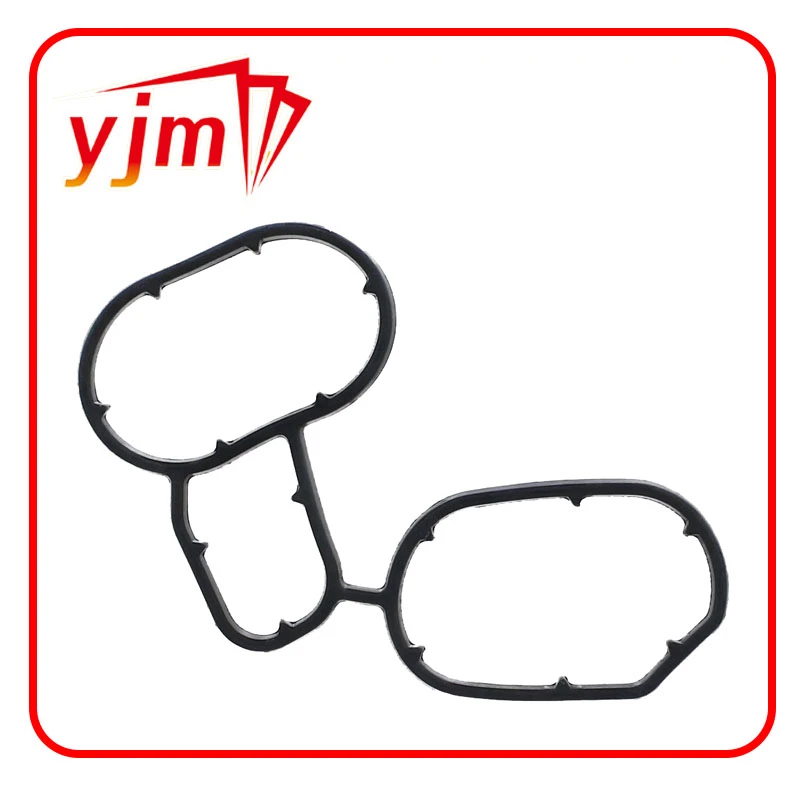
11427508970 BMW - OIL FILTER HOUSING GASKETS
-
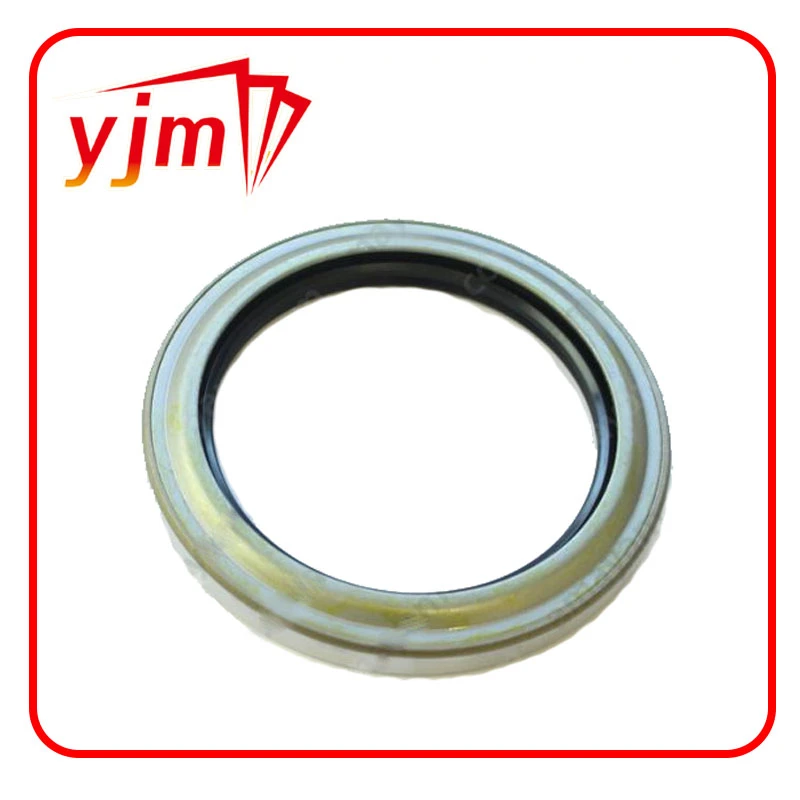
SEAL, OIL Genuine Toyota (9031170011)
-
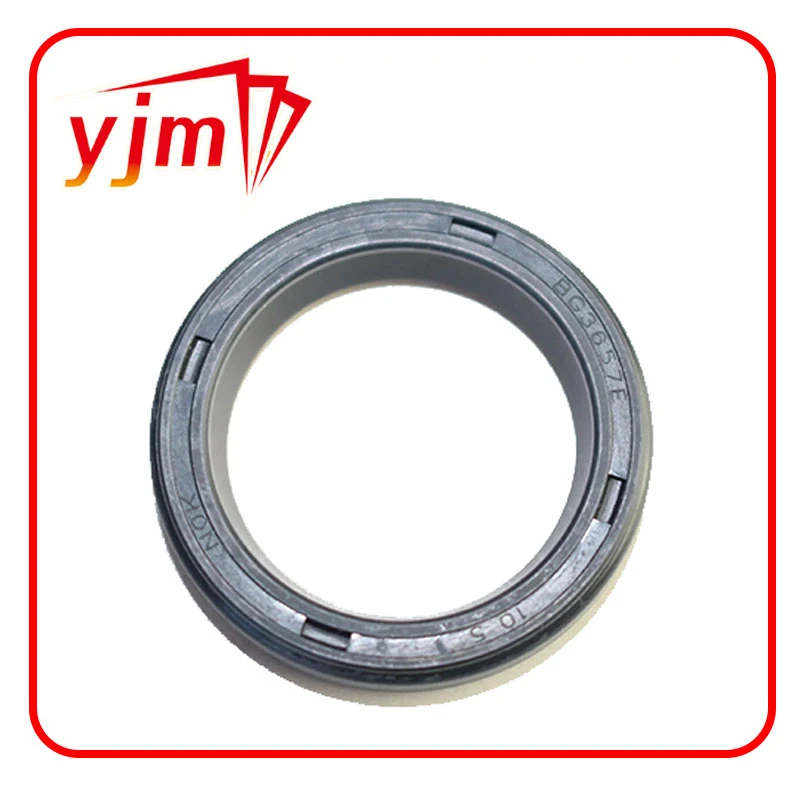
Transfer Case Output Shaft Seal Part 9031223001
-
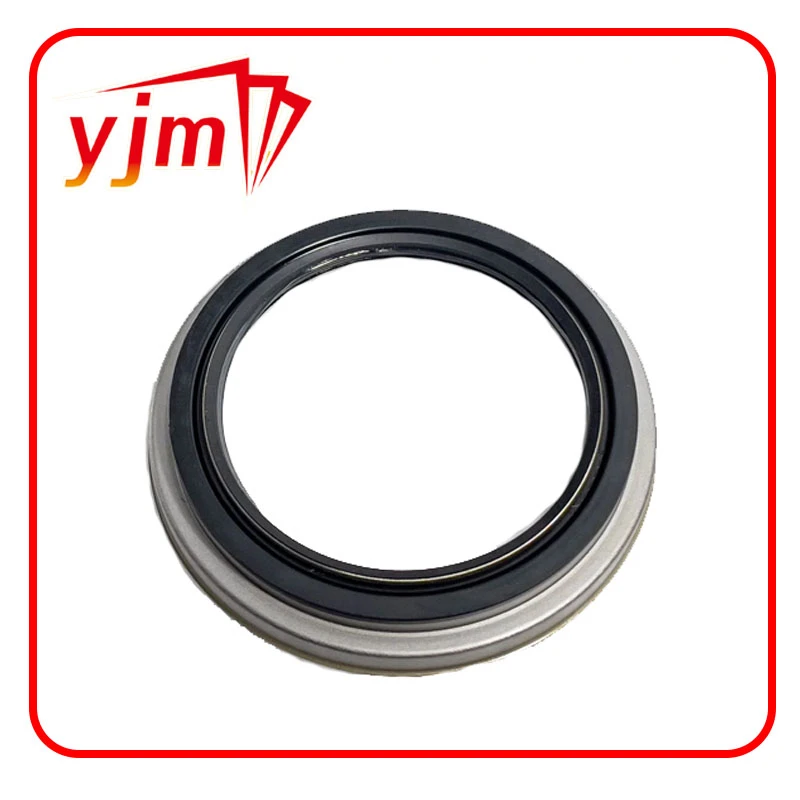
SEAL, OIL Genuine Toyota (9031672001)
-
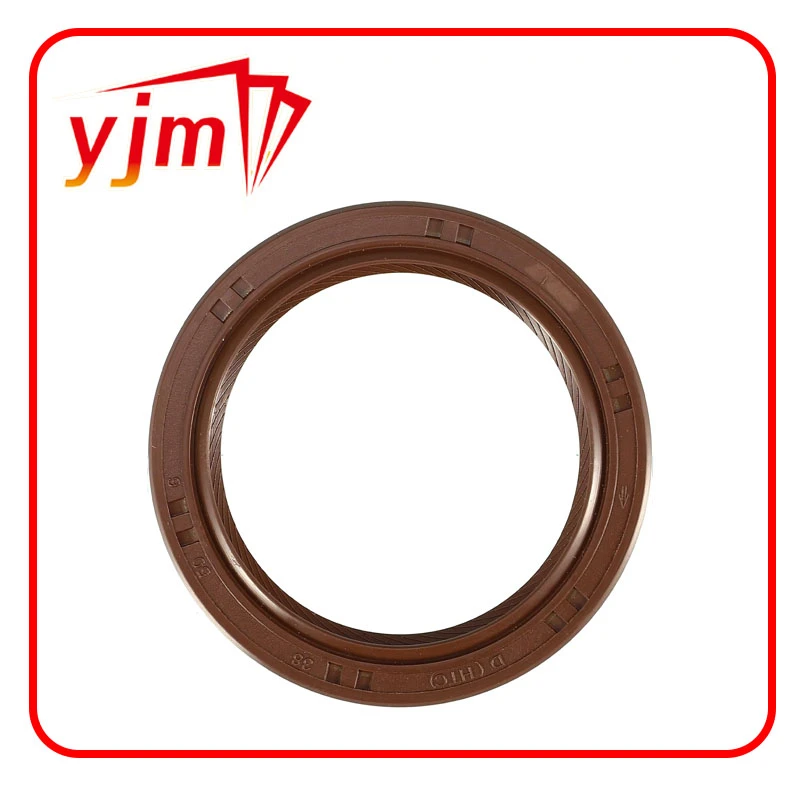
Engine Crankshaft Oil Seal No.9031138096
-
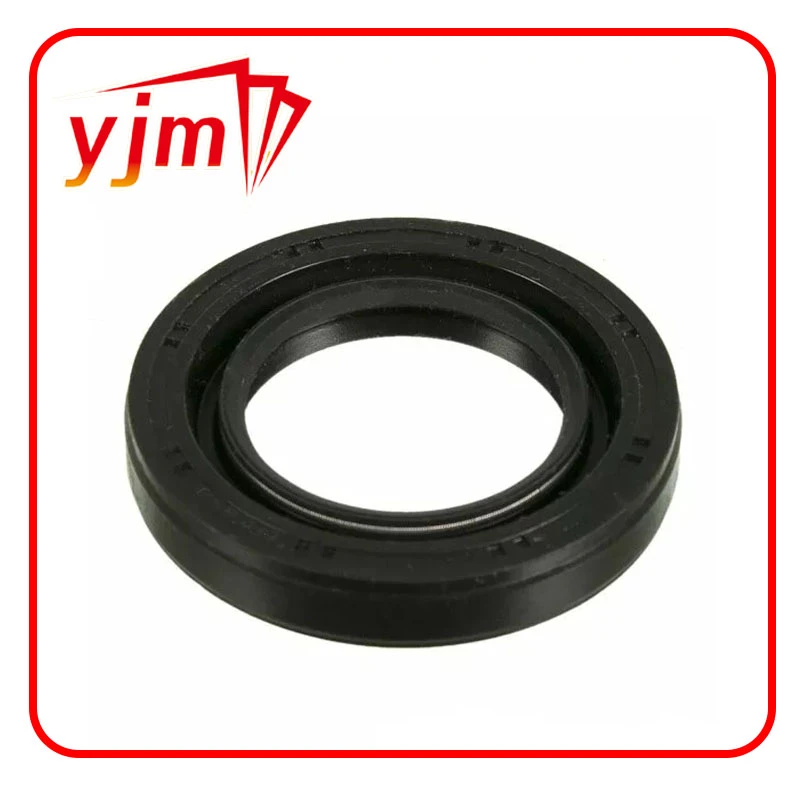
Toyota Transfer Case Output Shaft Seal Front 9031136006
-
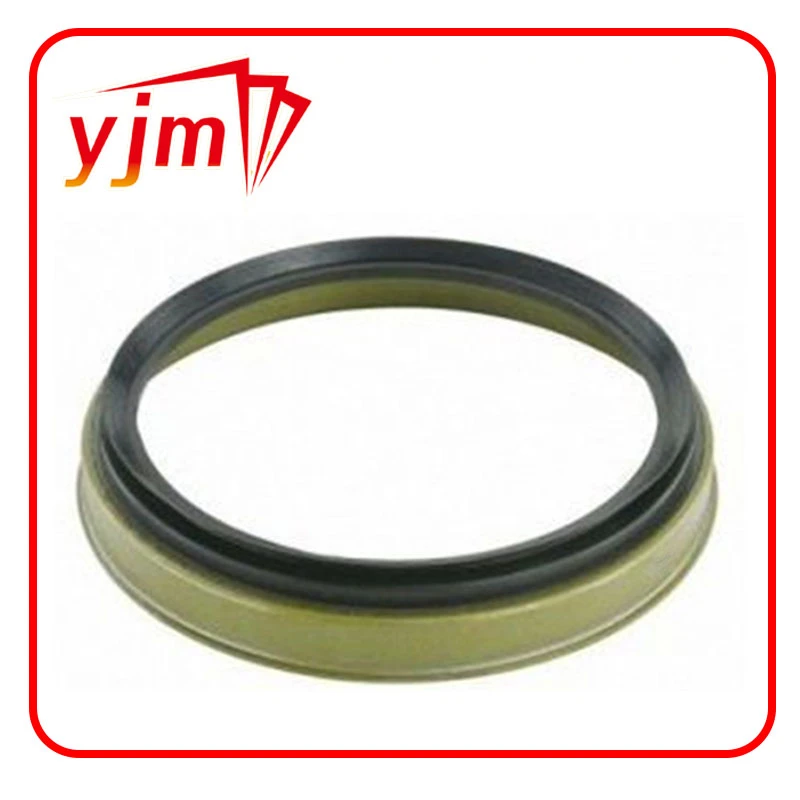
Seal, type v oil 9031287001 TOYOTA
-
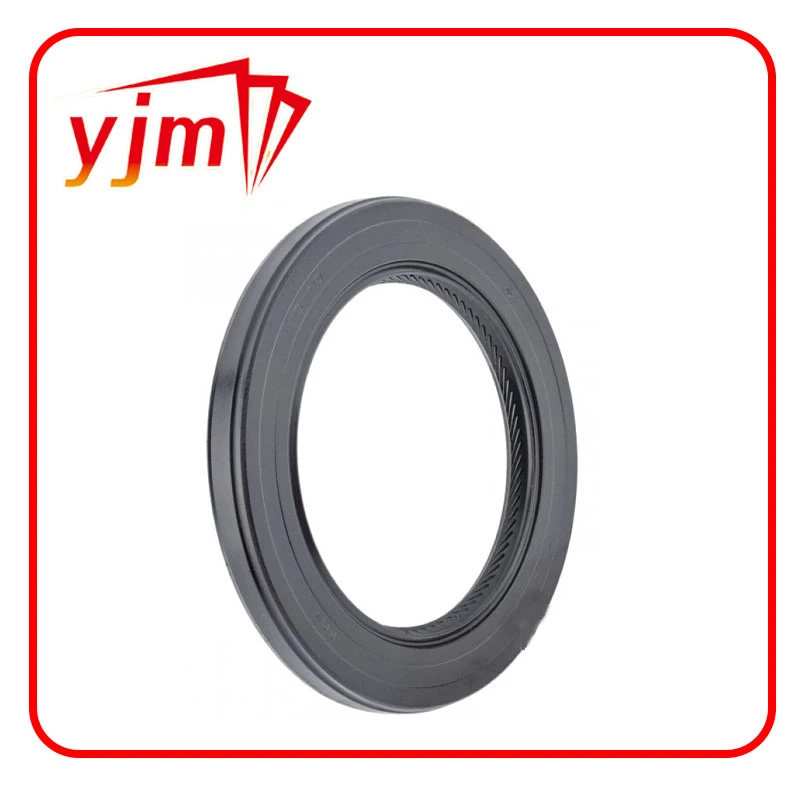
Oil pump seal 9031143010
-
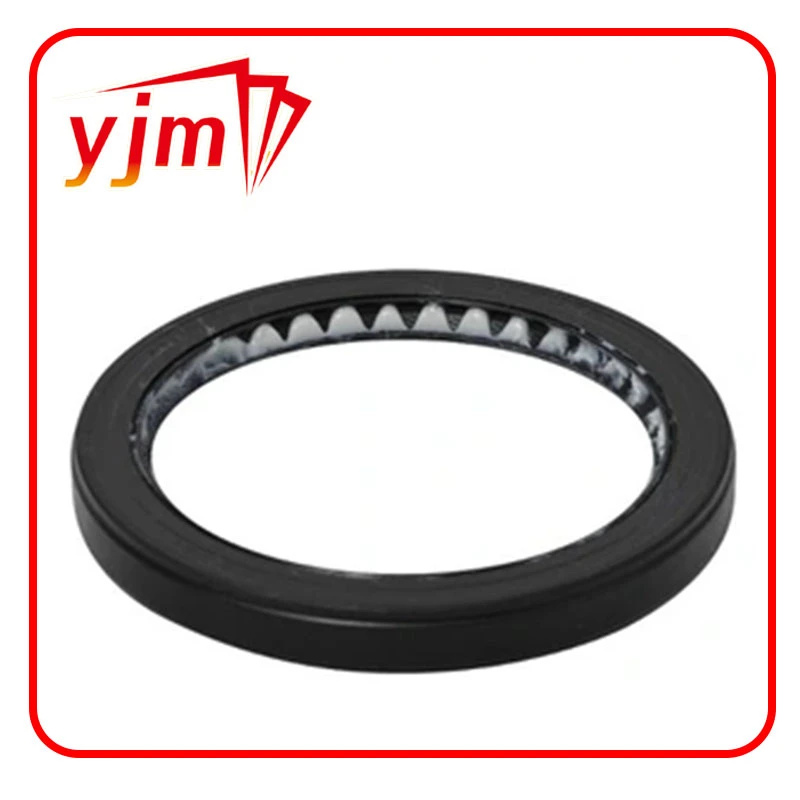
Genuine Toyota Oil SEAL 90311-54006
-
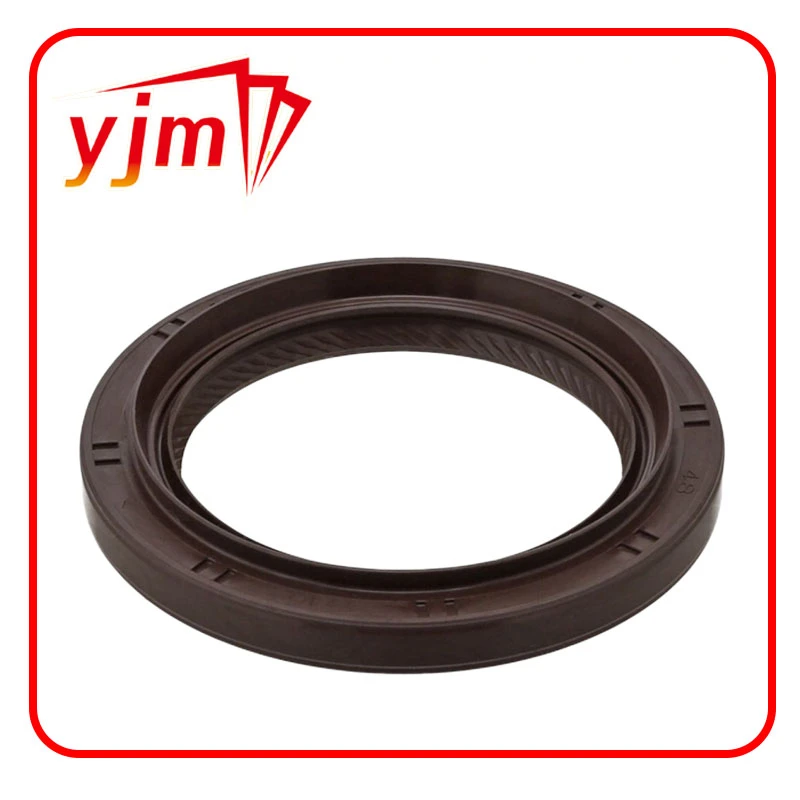
Toyota SEAL TYPE T OIL 90311-48031
-
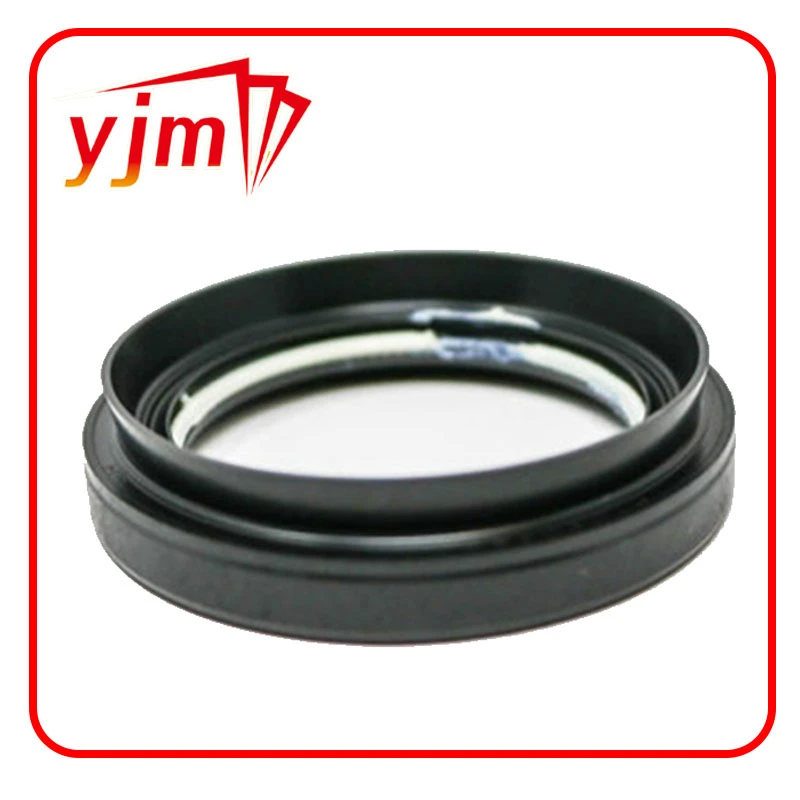
Type T Oil Seal, Front Drive Shaft, Left 9031150064
-
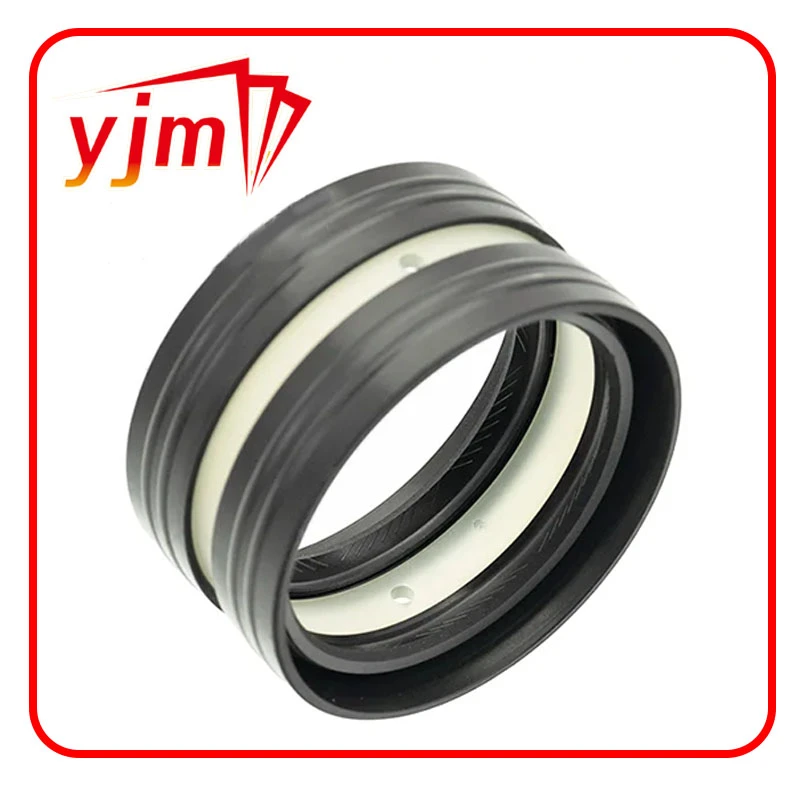
Seal, type d oil 9031634001 TOYOTA
 Afrikaans
 Albanian
 Amharic
 Arabic
 Armenian
 Azerbaijani
 Basque
 Belarusian
 Bengali
 Bosnian
 Bulgarian
 Catalan
 Cebuano
 Corsican
 Croatian
 Czech
 Danish
 Dutch
 Esperanto
 Estonian
 Finnish
 French
 Frisian
 Galician
 Georgian
 German
 Greek
 Gujarati
 Haitian Creole
 Hausa
 Hawaiian
 Hebrew
 Hindi
 Miao
 Hungarian
 Icelandic
 Igbo
 Indonesian
 Irish
 Italian
 Japanese
 Javanese
 Kannada
 Kazakh
 Khmer
 Rwandese
 Korean
 Kurdish
 Kyrgyz
 Lao
 Latin
 Latvian
 Lithuanian
 Luxembourgish
 Macedonian
 Malgashi
 Malay
 Malayalam
 Maltese
 Maori
 Marathi
 Mongolian
 Myanmar
 Nepali
 Norwegian
 Norwegian
 Occitan
 Pashto
 Persian
 Polish
 Portuguese
 Punjabi
 Romanian
 Russian
 Samoan
 Scottish Gaelic
 Serbian
 Sesotho
 Shona
 Sindhi
 Sinhala
 Slovak
 Slovenian
 Somali
 Spanish
 Sundanese
 Swahili
 Swedish
 Tagalog
 Tajik
 Tamil
 Tatar
 Telugu
 Thai
 Turkish
 Turkmen
 Ukrainian
 Urdu
 Uighur
 Uzbek
 Vietnamese
 Welsh
 Bantu
 Yiddish
 Yoruba
 Zulu
 English