Maintaining the integrity of a vehicle's lubrication system is critical for engine longevity, and the use of a high-quality fenner oil seal or specialized drain plug gasket is the first line of defense against costly leaks. In the automotive world, a tiny gap in a seal can lead to significant oil loss, resulting in friction, overheating, and eventual engine failure.
The global automotive aftermarket relies heavily on precision-engineered components that meet strict dimensional standards. Whether you are performing a routine oil change on a Toyota Corolla or maintaining a heavy-duty Land Cruiser, the quality of the sealing component—such as the aluminum alloy gaskets associated with fenner oil seal applications—determines the reliability of the entire repair.
Understanding the nuances of material composition, such as the shift toward high-grade aluminum alloys for oil drain gaskets, allows technicians and vehicle owners to ensure a flush, secure fit. By focusing on exact OE specifications, such as the 18mm inner diameter and 24mm outer diameter, users can prevent environmental contamination and optimize vehicle performance.
The Industrial Significance of Fenner Oil Seal Solutions
In the broader context of the rubber and plastic products industry, the concept of a fenner oil seal represents the pursuit of zero-leakage environments. For the automotive sector, this translates to the use of oil drain plug gaskets that are manufactured to specific dimensions to ensure a tight and secure fit flush with the oil pan, preventing the hazardous dripping of lubricants.
These components are not merely accessories but essential safety barriers. By utilizing materials like aluminum alloy, these seals provide the necessary compression to mate properly with the drain plug, thereby upholding the mechanical integrity of the engine and reducing the environmental impact of oil spills.
Material Engineering and Durability Factors
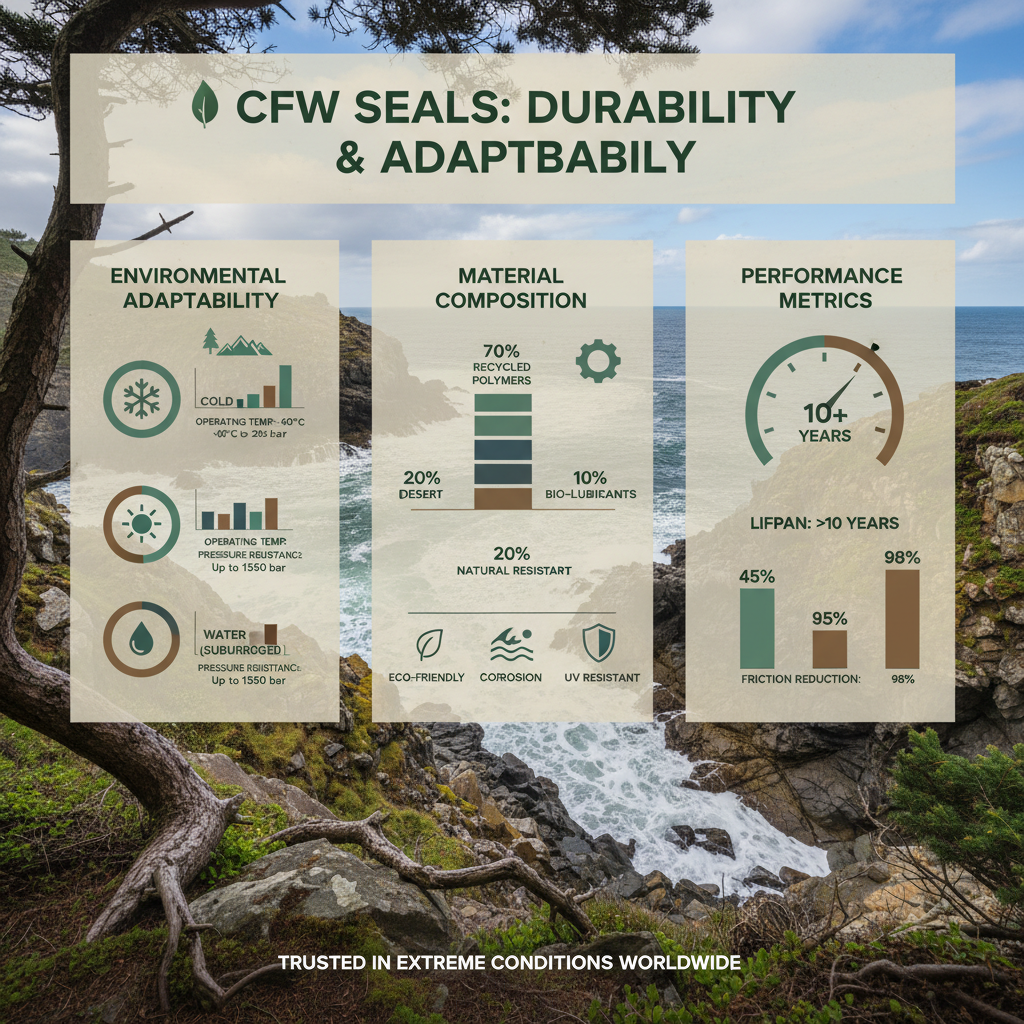
The effectiveness of a fenner oil seal alternative, such as our aluminum alloy gaskets, lies in its metallurgical properties. Aluminum alloy is chosen for its ability to deform slightly under pressure, creating a customized seal against the oil pan surface that resists the high-temperature fluctuations common in internal combustion engines.
Durability is further enhanced by the precision of the material's thickness—specifically 2mm in this application. This precise thickness ensures that the gasket does not over-compress and fail, nor remain too stiff to create a leak-proof barrier, providing a balanced approach to long-lasting sealing capabilities.
Moreover, the silver-tone finish is not just for aesthetics; it provides a layer of corrosion resistance. This is vital for vehicles operating in coastal areas or snowy regions where road salt can rapidly degrade inferior sealing materials, ensuring the fenner oil seal standard of reliability is maintained.
Precision Fitment and OE Specifications
Achieving a perfect seal requires strict adherence to Original Equipment (OE) numbers, such as OE 12157-10010. When searching for a fenner oil seal equivalent, the internal diameter (18mm) and outer diameter (24mm) must be exact to avoid vibration-induced leaks.
The critical nature of these dimensions means that a discrepancy of even half a millimeter can render the fenner oil seal ineffective. This is why we emphasize checking the vehicle's specific requirements before purchasing, ensuring the part is properly mated with the drain plug.
By focusing on these specific dimensions, we eliminate the guesswork involved in automotive repair. The round shape and precise tolerances ensure that the gasket sits flush, mirroring the high-performance expectations of a professional fenner oil seal installation.
Performance Metrics for Sealing Efficiency
Evaluating the performance of a fenner oil seal and its counterparts involves measuring pressure resistance, thermal stability, and ease of installation. A high-performing seal should allow for a quick replacement without requiring extensive modifications to the oil pan.
The goal is to achieve a "tight and secure fit" that can withstand the torque applied during a standard oil change. Below is a comparative analysis of different sealing methods based on these professional metrics.
Sealing Performance Comparison for Fenner Oil Seal Alternatives
Global Application and Vehicle Compatibility
The versatility of the fenner oil seal philosophy is evident in its wide range of fitments. From the classic Toyota Corolla models of the 1970s to the modern Tundra and RAV4 (up to 2015), these aluminum alloy gaskets are engineered for cross-generational compatibility.
Beyond standard passenger cars, these seals are critical for heavy-duty vehicles like the Toyota Land Cruiser and FJ Cruiser. In these rugged applications, where vibration and off-road stress are high, the secure fit provided by a professional-grade fenner oil seal equivalent is non-negotiable for preventing oil leaks in remote areas.
Long-term Value of High-Quality Gaskets
Investing in a high-quality fenner oil seal replacement provides long-term economic value by reducing the frequency of unplanned maintenance. A cheap, poorly fitting gasket may save a few cents initially but can lead to thousands of dollars in engine damage if oil levels drop unnoticed.
From a sustainability perspective, preventing oil leaks is a direct contribution to environmental protection. High-grade aluminum gaskets ensure that every drop of oil stays within the engine, reducing the risk of soil and water contamination.
Moreover, the peace of mind that comes with using a part manufactured to specific standards allows vehicle owners to drive with confidence. Trust in the seal is trust in the machine, ensuring that the fenner oil seal standard of excellence is upheld in every mile.
Future Trends in Automotive Sealing Technology
As the automotive industry shifts toward hybrid and electric vehicles, the requirements for sealing are evolving. However, the fundamental principles of the fenner oil seal—precision, material compatibility, and tight fitment—remain relevant for the remaining internal combustion and hybrid powertrains.
Innovation is now focusing on "smart seals" and advanced composite materials that can self-adjust to thermal expansion. While traditional aluminum alloy gaskets remain the gold standard for oil drain plugs, the integration of nano-coatings may soon enhance the leak-proof capabilities of the fenner oil seal ecosystem.
Automation in manufacturing is also ensuring that OE specifications are met with even tighter tolerances. This digital transformation means that non-OEM accessories can now achieve a level of precision that was previously reserved for factory-original parts.
Comparison of Sealing Materials for Automotive Oil Drain Plugs
| Material Type |
Thermal Resistance |
Installation Ease |
Sealing Longevity |
| Aluminum Alloy |
High |
Excellent |
Very High |
| Standard Rubber |
Medium |
Good |
Medium |
| Copper |
Very High |
Fair |
High |
| Composite Plastic |
Low |
Excellent |
Low |
| Steel Washer |
High |
Poor |
Medium |
| Fiber/Paper |
Low |
Good |
Low |
FAQS
Aluminum alloy gaskets, often compared to the quality of a fenner oil seal, offer superior thermal stability and a more secure, flush fit against the oil pan. Unlike rubber, which can degrade under extreme engine heat or chemical exposure, aluminum alloy provides a consistent, long-lasting seal that prevents oil leakage more effectively in high-stress environments.
You should verify the dimensions of your current drain plug. Our gasket features an inner diameter of 18mm and an outer diameter of 24mm. It is compatible with a vast range of Toyota vehicles from the 1970s through 2015, including the Corolla, Camry, and RAV4. Always check your vehicle's service manual or existing part dimensions to ensure a perfect fenner oil seal style fit.
Yes, it is highly recommended. Gaskets are designed to deform slightly to create a seal (crush washers). Once compressed, they cannot be effectively reused without risking a leak. Using a new aluminum alloy gasket ensures the same tight, secure fit as a new fenner oil seal, maintaining engine health and preventing environmental contamination.
Absolutely. These gaskets are specifically manufactured to fit Toyota Land Cruiser models from 1969-2011 and 2013-2015. Their robust aluminum construction makes them ideal for heavy-duty applications where vibration and extreme conditions are common, delivering the reliability associated with a fenner oil seal.
First, ensure the gasket is sitting flush and that no debris is on the oil pan surface. Check that the drain plug is torqued to the manufacturer's specification. If the leak persists, verify that the gasket size (18mm ID / 24mm OD) matches your vehicle exactly. A properly seated fenner oil seal equivalent should eliminate all leakage.
These are high-quality non-OEM accessories. However, they are manufactured to the same specific dimensions and standards as the original equipment (OE 12157-10010). They provide the same functional benefits and sealing capabilities as a professional fenner oil seal, making them a cost-effective and reliable alternative.
Conclusion
In summary, the pursuit of engine reliability begins with the smallest components, where the precision of a fenner oil seal or a high-grade aluminum alloy drain gasket makes all the difference. By adhering to strict OE dimensions (18mm x 24mm) and utilizing materials that resist thermal degradation, vehicle owners can ensure a secure, leak-proof seal that protects both the engine and the environment.
Looking forward, the integration of higher-precision manufacturing and advanced alloys will continue to elevate the standards of automotive sealing. We recommend always prioritizing precision-fit components over generic alternatives to guarantee long-term performance. For those seeking professional-grade sealing solutions, we invite you to explore our full range of products. Visit our website: www.yjmseal.com





 English
 Afrikaans
 Albanian
 Amharic
 Arabic
 Armenian
 Azerbaijani
 Basque
 Belarusian
 Bengali
 Bosnian
 Bulgarian
 Catalan
 Cebuano
 Corsican
 Croatian
 Czech
 Danish
 Dutch
 Esperanto
 Estonian
 Finnish
 French
 Frisian
 Galician
 Georgian
 German
 Greek
 Gujarati
 Haitian Creole
 Hausa
 Hawaiian
 Hebrew
 Hindi
 Miao
 Hungarian
 Icelandic
 Igbo
 Indonesian
 Irish
 Italian
 Japanese
 Javanese
 Kannada
 Kazakh
 Khmer
 Rwandese
 Korean
 Kurdish
 Kyrgyz
 Lao
 Latin
 Latvian
 Lithuanian
 Luxembourgish
 Macedonian
 Malgashi
 Malay
 Malayalam
 Maltese
 Maori
 Marathi
 Mongolian
 Myanmar
 Nepali
 Norwegian
 Norwegian
 Occitan
 Pashto
 Persian
 Polish
 Portuguese
 Punjabi
 Romanian
 Russian
 Samoan
 Scottish Gaelic
 Serbian
 Sesotho
 Shona
 Sindhi
 Sinhala
 Slovak
 Slovenian
 Somali
 Spanish
 Sundanese
 Swahili
 Swedish
 Tagalog
 Tajik
 Tamil
 Tatar
 Telugu
 Thai
 Turkish
 Turkmen
 Ukrainian
 Urdu
 Uighur
 Uzbek
 Vietnamese
 Welsh
 Bantu
 Yiddish
 Yoruba
 Zulu