In the complex world of automotive engineering, the integrity of fluid containment is paramount to vehicle longevity and safety. The inner oil seal serves as a critical barrier, preventing the leakage of essential lubricants from the rear axle shaft while simultaneously blocking external contaminants from entering sensitive mechanical zones. Without high-precision sealing, friction increases, leading to premature wear and catastrophic component failure.
Across global markets, the demand for OEM-grade sealing solutions has surged as vehicle owners move toward extending the lifespan of their machinery. High-quality seals must withstand extreme thermal fluctuations and mechanical stress, ensuring that the drivetrain remains lubricated under the most demanding conditions. This is especially true for rear axle applications where the seal is exposed to road debris and moisture.
Understanding the specifications of a high-performance inner oil seal, such as the Toyota 90310-T0008, allows technicians and fleet managers to maintain operational efficiency. By focusing on exact dimensions and material durability, industry professionals can reduce downtime and ensure that automotive systems operate within their intended parameters for years to come.
Global Importance of Precision Sealing
The automotive and heavy machinery industries rely heavily on the precision of the inner oil seal to maintain structural integrity. On a global scale, the adherence to ISO standards for rubber and plastic products ensures that parts manufactured in hubs like Hebei, China, can be seamlessly integrated into vehicles worldwide. This standardization prevents the costly errors associated with improper fitment, which could lead to oil starvation in the rear axle shaft.
When considering the environmental impact, a failed seal leads to oil leaks that contaminate soil and water systems. Therefore, the global shift toward high-durability elastomers is not just a mechanical requirement but an environmental necessity. By utilizing OEM Original components, manufacturers reduce the frequency of replacements, thereby lowering the carbon footprint associated with parts production and logistics.
Technical Definition and Mechanical Function
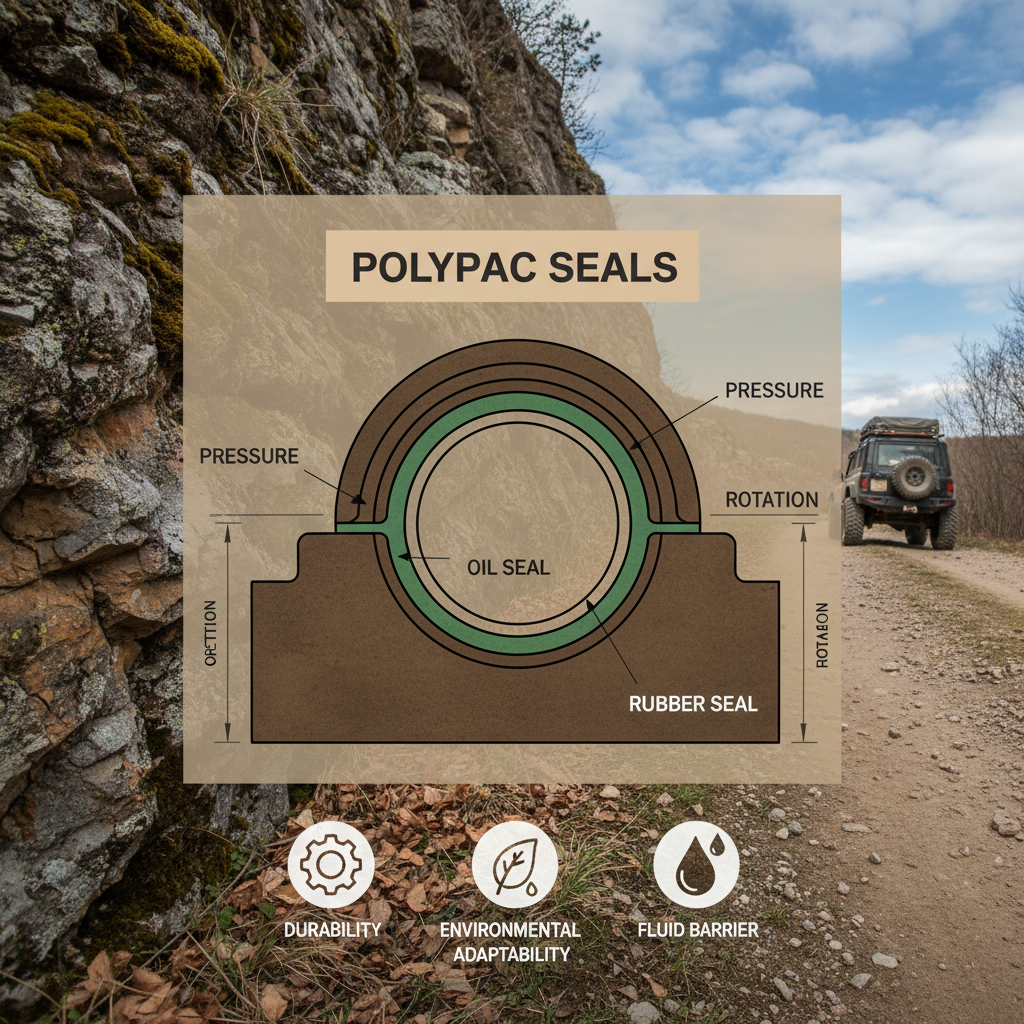
An inner oil seal is a specialized mechanical component designed to create a tight seal between a rotating shaft and a stationary housing. Its primary purpose is to retain lubricating oil within a designated compartment—such as a rear axle—while simultaneously preventing the ingress of dust, water, and other abrasive particulates. In the case of the Toyota 90310-T0008, this is achieved through a precise fit of 57mm inner diameter and 70mm outer diameter.
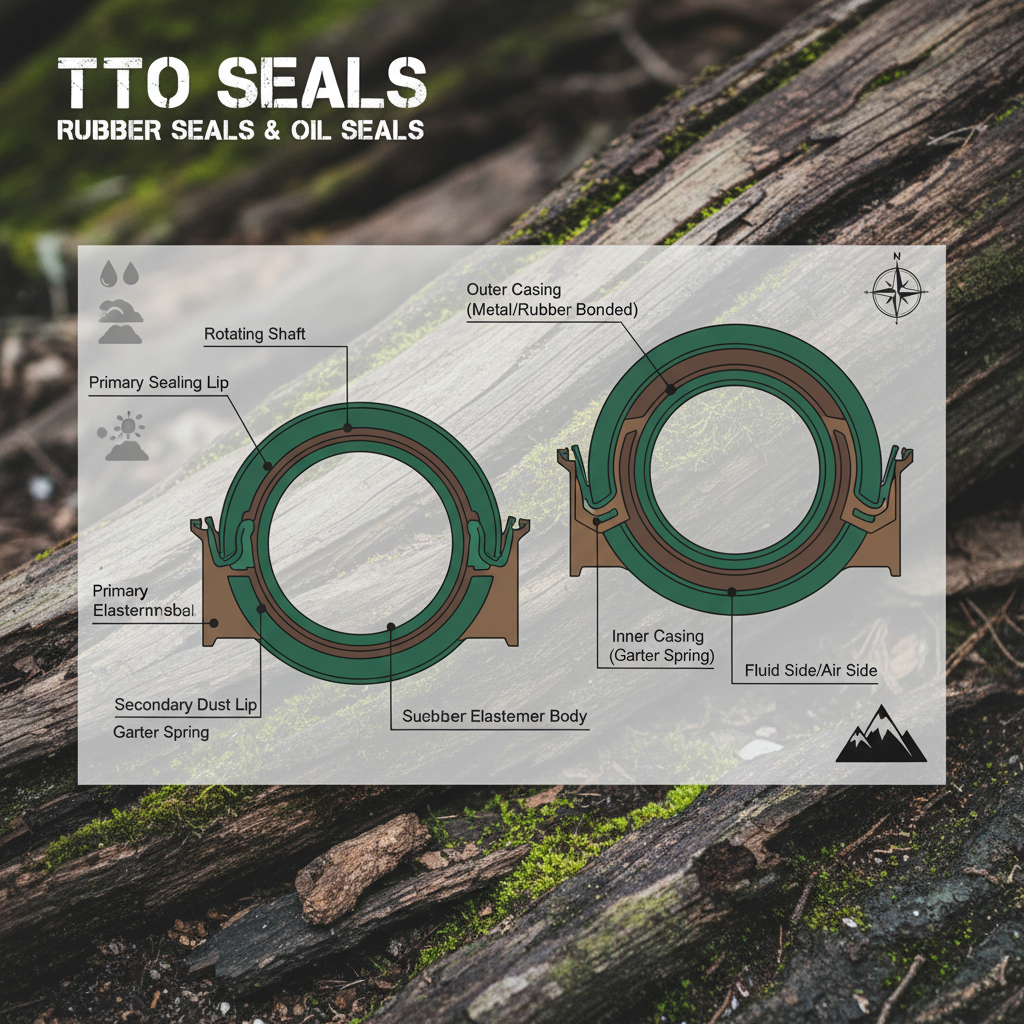
Mechanically, these seals operate by utilizing a flexible rubber lip that is pressed against the shaft. This lip is often reinforced with a garter spring to maintain constant tension, even as the rubber wears down over thousands of kilometers. The 7.5mm width provides the necessary structural support to handle the axial and radial loads encountered during vehicle operation, ensuring that the oil remains where it is needed most.
In the broader context of the rubber products industry, this component represents the intersection of material science and mechanical engineering. The choice of elastomer must balance flexibility with heat resistance, as the rear axle shaft can reach high temperatures during prolonged use. A failure in this balance would result in the hardening of the seal, leading to leaks and eventual axle failure.
Core Components for Maximum Durability
The longevity of an inner oil seal depends on the quality of its raw materials. High-grade nitrile rubber (NBR) or Viton is typically used to ensure that the seal can resist the chemical degradation caused by synthetic oils and additives. The ability of the material to maintain its elasticity is what separates an OEM part from a generic alternative.
Precision dimensions are the second core component of success. For a part like the 90310-T0008, a deviation of even a fraction of a millimeter in the 70mm outer diameter can result in a "loose fit," which allows oil to bypass the seal entirely. This is why strict manufacturing tolerances are enforced in professional production bases.
Finally, the structural design, including the metal casing that houses the rubber element, provides the necessary rigidity. This ensures that the inner oil seal does not deform under the pressure of the axle shaft, maintaining a consistent seal across various RPMs and load conditions.
Performance Metrics and Efficiency Analysis
Evaluating the efficiency of a sealing system requires a look at the balance between friction and sealing force. A seal that is too tight will cause excessive heat and wear on the shaft, while one that is too loose will fail to contain the oil. The ideal inner oil seal optimizes this relationship to maximize the service life of the rear axle.
For professionals in the automotive repair kit sector, performance is measured by the "Mean Time Between Failures" (MTBF). OEM original seals consistently outperform aftermarket versions because they are engineered specifically for the thermal expansion coefficients of the vehicle's original housing and shaft materials.
Comparison of Inner Oil Seal Performance Metrics
Industrial Applications Across Global Markets
The application of the inner oil seal extends far beyond passenger cars. In heavy-duty industrial sectors, such as mining and construction, these seals are integrated into massive axles that carry tons of equipment. In these environments, the seal must withstand not only oil pressure but also the abrasive impact of mud, sand, and saltwater, making the choice of a robust rubber compound critical.
Regions like Southeast Asia and South America, where road conditions can be harsh and dust levels high, see a higher demand for reinforced seals. The ability of companies like YJM Group to provide customized auto parts based on drawings or samples ensures that specialized machinery in remote industrial zones remains operational without waiting for long international shipping cycles of standard parts.
Long-Term Value of OEM Specifications
Choosing a part that adheres strictly to OEM specifications, such as the 90310-T0008, provides an insurance policy against premature failure. The long-term value is realized in the reduction of labor costs; replacing a seal once every five years is significantly cheaper than replacing a generic seal every twelve months, even if the initial purchase price is higher.
Moreover, the reliability of a genuine inner oil seal protects the surrounding components. When a seal fails, it is rarely a standalone issue—contaminated oil can destroy bearings and gear teeth, leading to a full axle replacement. The logical choice for any professional fleet manager is to prioritize the "seal integrity" to protect the more expensive hardware.
From a sustainability perspective, OEM seals contribute to a circular economy by extending the usable life of the vehicle. High-quality rubber seals reduce waste and lower the demand for replacement steel components, aligning with global initiatives to reduce industrial waste in the manufacturing sector.
Future Innovations in Elastomer Technology
The future of the inner oil seal is being shaped by the integration of nanotechnology and smart materials. Researchers are developing "self-healing" elastomers that can close micro-cracks automatically when exposed to specific heat ranges, potentially eliminating the need for manual inspections of rear axle seals for decades.
Additionally, the transition toward electric vehicles (EVs) is changing the requirements for sealing. While EVs have fewer traditional oil-filled gearboxes, the remaining bearings and axles require seals that can handle higher rotational speeds and different lubricant chemistries. This is driving the development of low-friction polymers that reduce energy loss and increase battery range.
Automation in manufacturing, such as the processes used in modern bases covering 80,000 square meters, is allowing for tighter tolerances and zero-defect production. The combination of digital twin modeling and advanced rubber chemistry ensures that the next generation of seals will be more sustainable, durable, and efficient than ever before.
Technical Comparison of Seal Material Specifications
| Material Type |
Temperature Range |
Oil Resistance |
Expected Lifespan |
| Standard NBR |
-40°C to 120°C |
Moderate |
30,000 - 50,000 km |
| Hydrogenated NBR |
-40°C to 150°C |
High |
60,000 - 80,000 km |
| FKM (Viton) |
-20°C to 200°C |
Excellent |
100,000+ km |
| Silicone Rubber |
-60°C to 230°C |
Low |
20,000 - 40,000 km |
| EPDM |
-50°C to 150°C |
Poor (Oil) |
Variable |
| Polyurethane |
-30°C to 110°C |
Very High |
80,000 - 120,000 km |
FAQS
The most common sign is a visible oil leak around the axle shaft, often appearing as droplets on the inner side of the wheel or dripping onto the ground. You may also notice a decrease in lubricant levels during routine checks or hear grinding noises from the axle due to increased friction from oil loss.
While generic seals may fit, they often lack the precise material composition and tolerance levels of OEM parts. Using a non-standard seal can lead to premature failure, leakage, or excessive shaft wear. For critical components like the rear axle shaft, OEM original seals are strongly recommended to ensure vehicle safety and longevity.
The inner diameter (e.g., 57mm) must perfectly match the shaft to maintain the sealing lip's tension. The outer diameter (e.g., 70mm) ensures a press-fit into the housing. Any mismatch can lead to "seal walk" or gaps that allow oil to escape, making precise measurements essential for a leak-free installation.
Replacement intervals vary by usage, but it is generally recommended to inspect seals during every major axle service. If the vehicle operates in extreme environments (high heat, salt, or heavy dust), replacements should occur more frequently. Replacing the seal preventatively during a bearing change is a best practice.
Yes, professional manufacturers like YJM Group can produce customized seals based on your specific drawings or physical samples. This is particularly useful for legacy vehicles or heavy industrial machinery where original parts are no longer in production.
Weight is less an indicator of quality and more an indicator of design and material density. A specific weight ensures the part meets the OEM mass specifications for balance and fitment. The quality is instead determined by the elastomer grade and the precision of the manufacturing process.
Conclusion
The inner oil seal may be a small component in terms of physical size, but its role in maintaining the mechanical health of the rear axle is immense. By ensuring a perfect fit and utilizing high-grade elastomers, these seals prevent lubricant loss and protect critical drivetrain components from environmental degradation. Whether it is an OEM original part for a Toyota or a customized industrial solution, the emphasis on precision and material quality is the only way to guarantee long-term reliability.
As the industry moves toward more sustainable and high-performance materials, the importance of sourcing from experienced manufacturers with a proven track record becomes even more critical. Investing in high-quality sealing solutions today prevents costly failures tomorrow and ensures that global transportation and industrial systems remain efficient. For those seeking professional-grade sealing components, we invite you to explore our full range of solutions. Visit our website: www.yjmseal.com




 English
 Afrikaans
 Albanian
 Amharic
 Arabic
 Armenian
 Azerbaijani
 Basque
 Belarusian
 Bengali
 Bosnian
 Bulgarian
 Catalan
 Cebuano
 Corsican
 Croatian
 Czech
 Danish
 Dutch
 Esperanto
 Estonian
 Finnish
 French
 Frisian
 Galician
 Georgian
 German
 Greek
 Gujarati
 Haitian Creole
 Hausa
 Hawaiian
 Hebrew
 Hindi
 Miao
 Hungarian
 Icelandic
 Igbo
 Indonesian
 Irish
 Italian
 Japanese
 Javanese
 Kannada
 Kazakh
 Khmer
 Rwandese
 Korean
 Kurdish
 Kyrgyz
 Lao
 Latin
 Latvian
 Lithuanian
 Luxembourgish
 Macedonian
 Malgashi
 Malay
 Malayalam
 Maltese
 Maori
 Marathi
 Mongolian
 Myanmar
 Nepali
 Norwegian
 Norwegian
 Occitan
 Pashto
 Persian
 Polish
 Portuguese
 Punjabi
 Romanian
 Russian
 Samoan
 Scottish Gaelic
 Serbian
 Sesotho
 Shona
 Sindhi
 Sinhala
 Slovak
 Slovenian
 Somali
 Spanish
 Sundanese
 Swahili
 Swedish
 Tagalog
 Tajik
 Tamil
 Tatar
 Telugu
 Thai
 Turkish
 Turkmen
 Ukrainian
 Urdu
 Uighur
 Uzbek
 Vietnamese
 Welsh
 Bantu
 Yiddish
 Yoruba
 Zulu