3 4 16 Oil Drain Plug – Durable Industrial Seal Solutions
Understanding the 3 4 16 Oil Drain Plug: A Veteran’s Perspective
Working in the industrial equipment sector for over a decade, I’ve had my fair share of encounters with oil drain plugs—those small but crucial components everybody tends to overlook until they start leaking or giving trouble. The 3 4 16 oil drain plug is one item that keeps popping up in maintenance logs and machine manuals. Oddly enough, although it sounds straightforward, this plug brings its own little universe of engineering considerations and practical quirks.
First off, the “3 4 16” designation refers to its size and thread type, essential details that ensure compatibility with specific oil pans and machinery. In real terms, having the right plug size is like having the right key for a lock—it needs to fit perfectly, or you risk oil leaks or, worse, stripped threads. From my experience, this particular oil drain plug strikes a good balance between durability and ease of servicing.
Materials matter a lot here. Most 3 4 16 plugs are made from hardened steel or brass, offering resistance against corrosion and high temperatures—factors that oil drain plugs face routinely. I once worked on a batch of plugs where corrosion was a persistent issue, mostly because the material specs weren’t as stringent as they should have been. Since then, I’ve leaned toward suppliers offering plugs with treated steel or plated finishes (zinc or black oxide), which tend to last longer and keep machines leak-free.
Another thing to consider: torque specifications and sealing. Many engineers say proper torque reduces the risk of thread damage and prevents leaks. Personally, I always recommend using a torque wrench rather than a haphazard hand-tight method. Also, the sealing mechanism often relies on integrated washers or gaskets—some plugs come with crush washers that deform under pressure, guaranteeing a snug fit. Those little washers might seem trivial but trust me, they’re game changers in sealing efficiency.
Here’s a quick specs rundown for a typical 3 4 16 oil drain plug to give you a clearer picture:
| Specification | Detail |
|---|---|
| Thread Size | 3/4"-16 UNF (Unified Fine Thread) |
| Material | Hardened steel or brass |
| Finish | Zinc-plated, black oxide, or raw steel |
| Torque Specs | 18-22 ft-lbs recommended |
| Sealing Type | Crush washer or O-ring |
Now, if you’re evaluating vendors or manufacturers for 3 4 16 oil drain plugs, you might find there’s a surprising variation in quality, specs, and lead times. After all, this component is small and inexpensive, so it’s tempting for some suppliers to cut corners. I always advise checking not just the price but also the standard certifications (like ISO 9001) and customer reviews—those little things carry a lot of weight.
To give you a rough idea, here’s a comparison of a few notable suppliers in this space I've worked with or vetted:
| Vendor | Material Quality | Customization Options | Lead Time | Typical Price Range |
|---|---|---|---|---|
| YJM Seal | High-grade steel with treated finishes | Available on request | 2-3 weeks | $$ |
| Generic Industrial Co. | Standard steel, minimal finishing | None | 1 week | $ |
| PrimeTech Fasteners | Brass and stainless steel options | Yes, including threading & coating | 3-4 weeks | $$$ |
For those who’ve managed heavy machinery oil changes, you know the drain plug is your first line of defense against major oil spills. I recall one case where switching to a better-quality 3 4 16 oil drain plug saved us countless maintenance headaches. The earlier plugs would develop leaks after a few months, but the upgraded ones from a trusted vendor held tight through harsh use — that noticeably improved our uptime.
Customizing plugs is also something I find interesting. Sometimes applications call for plugs with magnetic ends, letting you catch metallic particles in the oil before they cause harm. Oddly enough, such small tweaks can cut down engine wear drastically. If your operation demands reliability, I’d say don’t overlook these subtle options.
In summary, the 3 4 16 oil drain plug might seem like a simple bit of hardware, but it demands careful selection informed by specs, material quality, and vendor reliability. If you’re sourcing or replacing these plugs, consider the factors above and, frankly, choose suppliers with a proven track record—like YJM Seal who balance quality, customization, and availability well.
Thanks for sticking with me here. It feels good to share this because sometimes the small nuts and bolts — or plugs in this case — are what keep an entire machine humming along reliably.
Takeaway: Never underestimate the humble oil drain plug. Choose wisely, torque properly, and the machines will thank you.
References:
- Manufacturer Specifications and Maintenance Manuals
- Industry Whitepapers on Fastener Materials and Durability
- Personal Experience & Field Notes from Industrial Equipment Maintenance
-
Guide to Choosing the Right Washer for Oil Change and Sealing
News Apr.16,2026
-
Essential Guide to High Quality rubber washer oil drain plug
News Apr.09,2026
-
Understanding Rubber Crush Washers for Optimal Sealing Performance
News Apr.07,2026
-
Comprehensive Guide to Understanding and Reusing Crush Washer for Optimal Sealing
News Apr.04,2026
-
The Vital Role of a Drain Screw Gasket in Fluid System Integrity
News Mar.31,2026
-
The Essential Guide to Drain Crush Washer Selection and Plumbing Leak Prevention
News Mar.28,2026
-
The Vital Role of a Crush Washer in Oil Changes for Engine Protection
News Mar.26,2026
Products categories
-
Brass cutlass marine bearing
-
Genuine OEM Engine Oil Filter Housing Cover O-Ring For VW/Audi 06E115446
-
Oil Filter Stand Gasket,Oil filter cover seal
-
Oil Cooler Gasket, Oil Cooler to Oil Filter Housing 11427525335
-
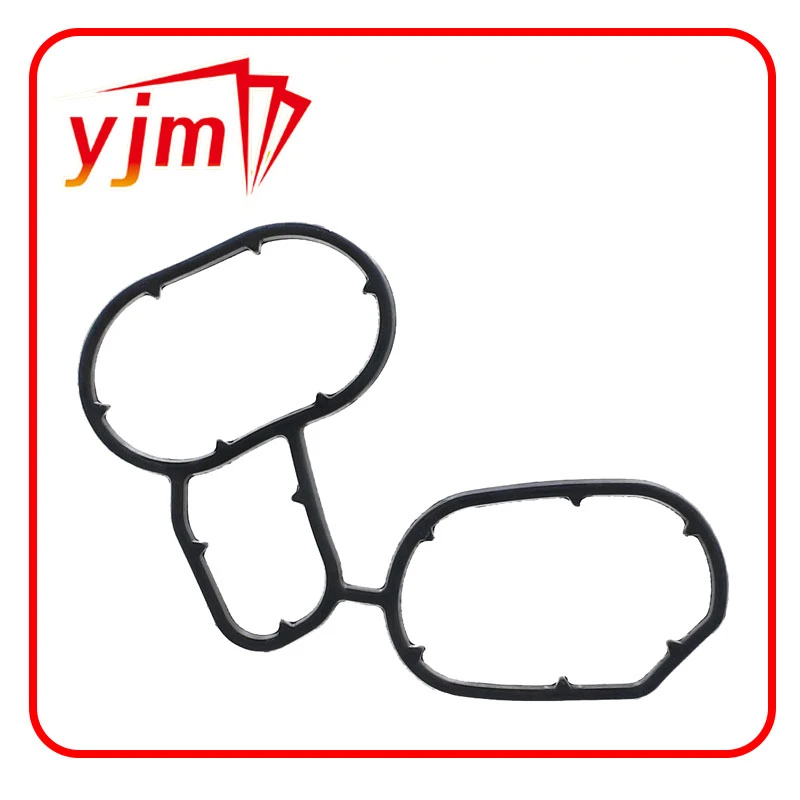
11427508970 BMW - OIL FILTER HOUSING GASKETS
-
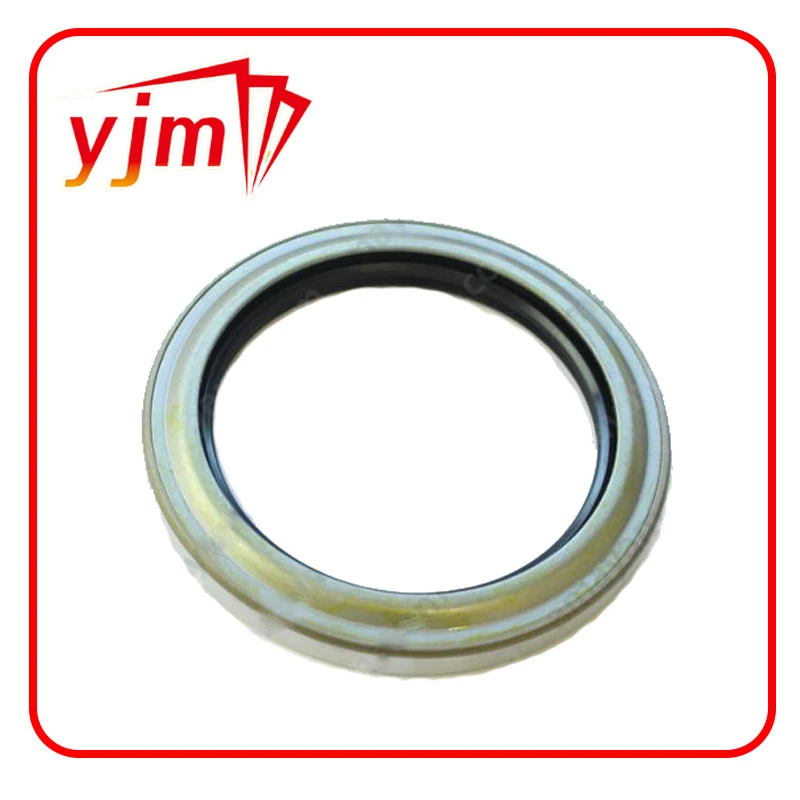
SEAL, OIL Genuine Toyota (9031170011)
-
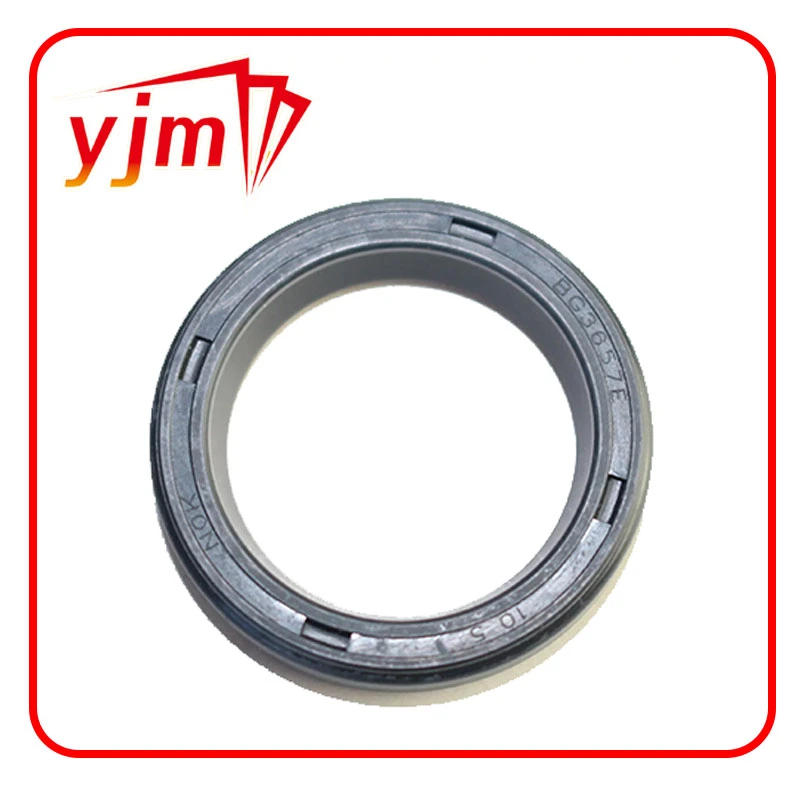
Transfer Case Output Shaft Seal Part 9031223001
-
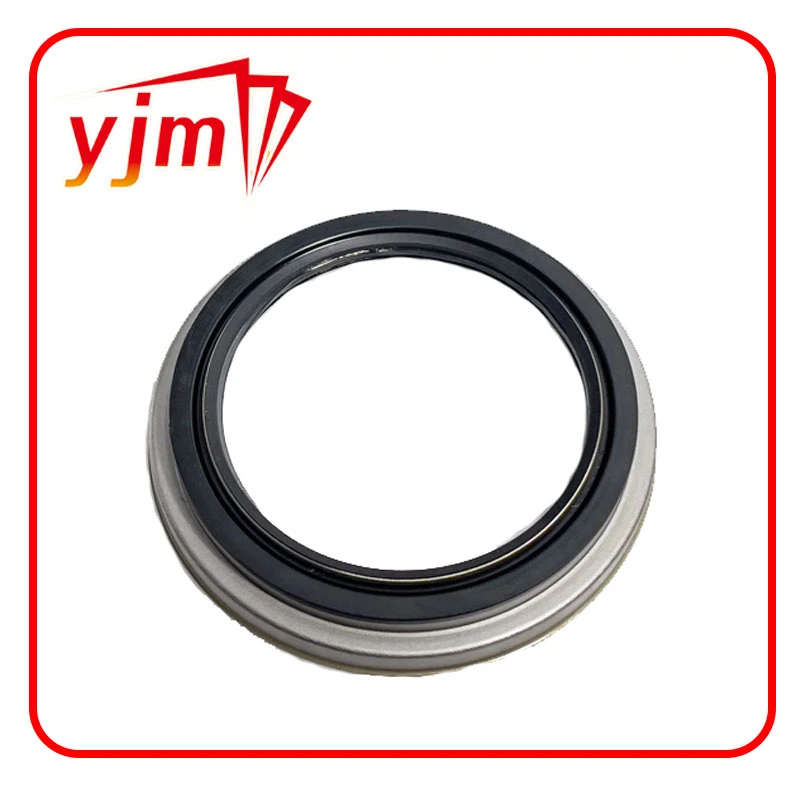
SEAL, OIL Genuine Toyota (9031672001)
-
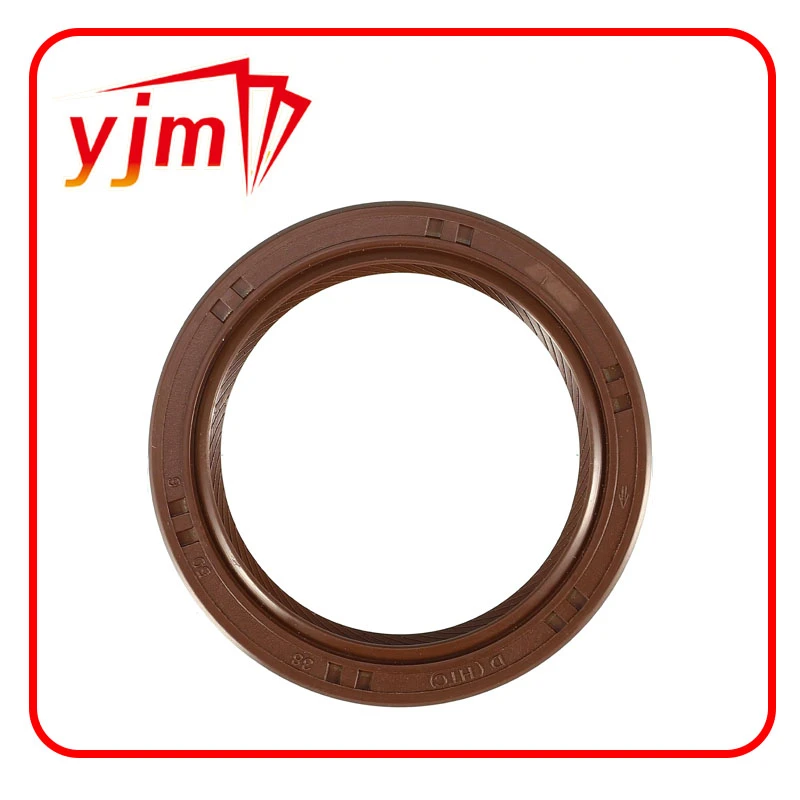
Engine Crankshaft Oil Seal No.9031138096
-
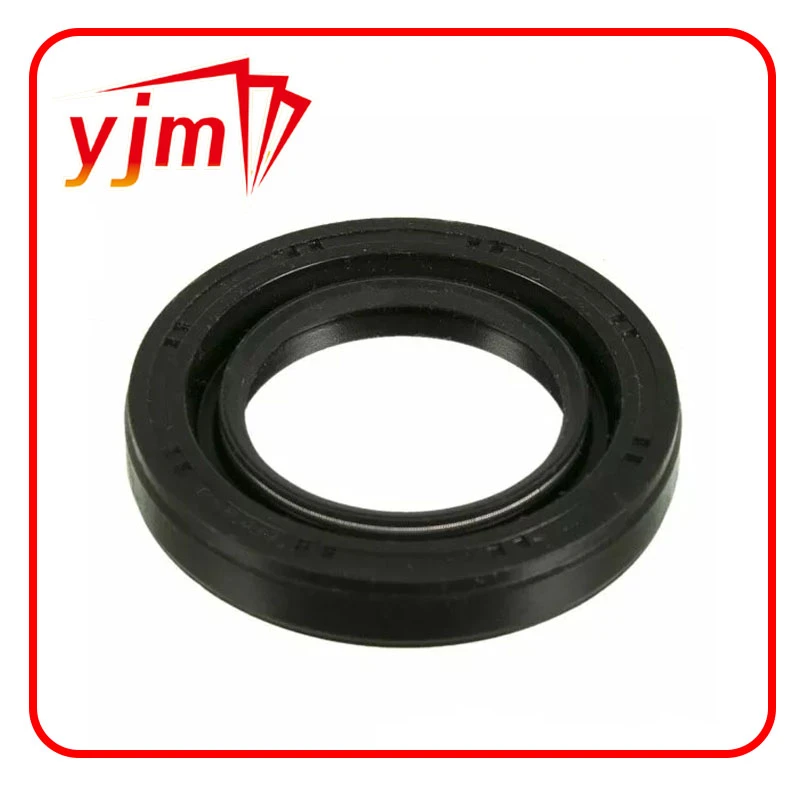
Toyota Transfer Case Output Shaft Seal Front 9031136006
-
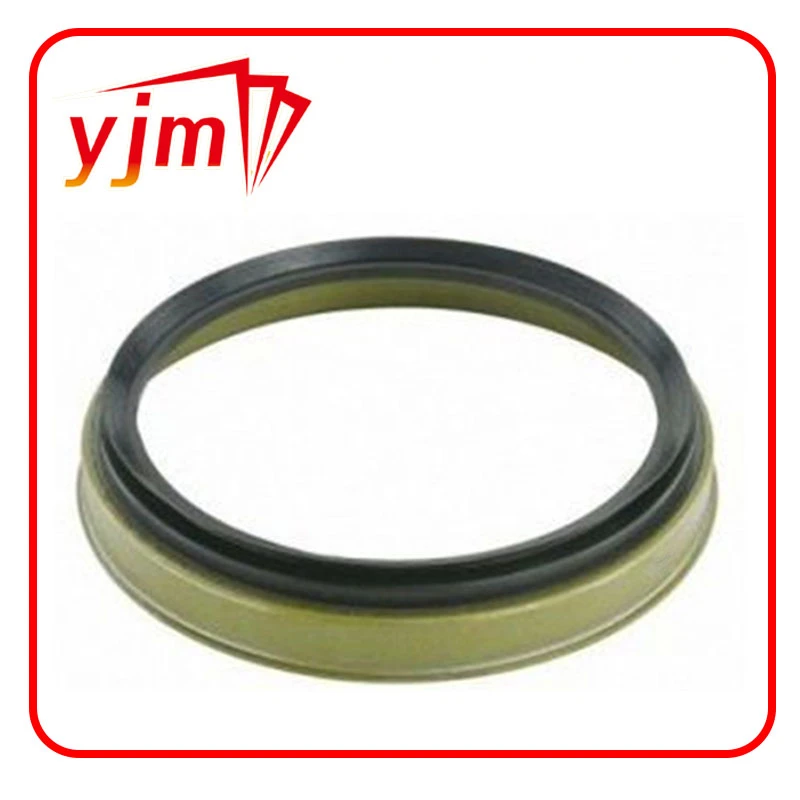
Seal, type v oil 9031287001 TOYOTA
-
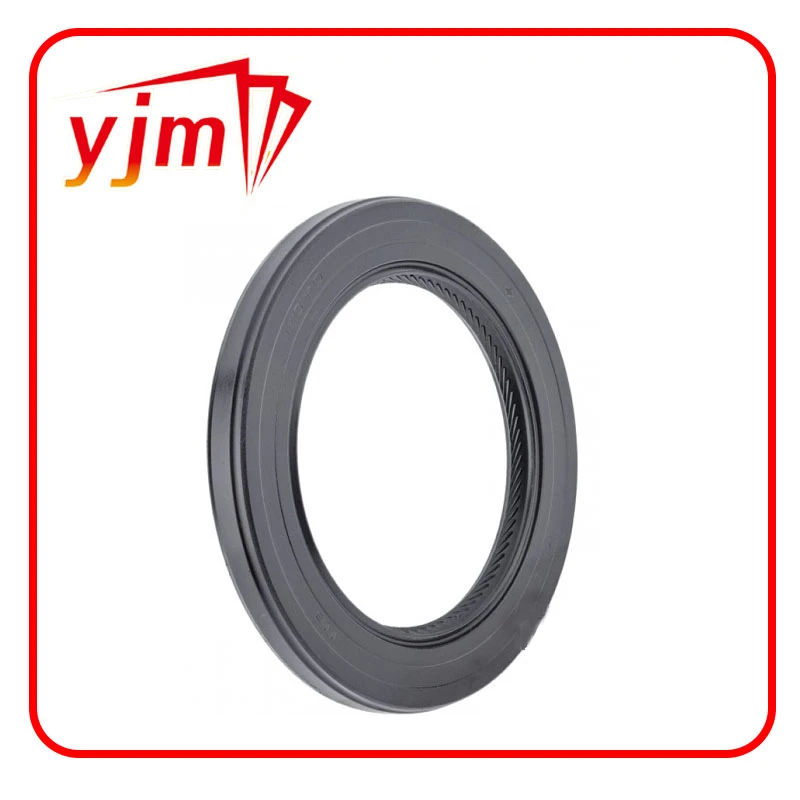
Oil pump seal 9031143010
-
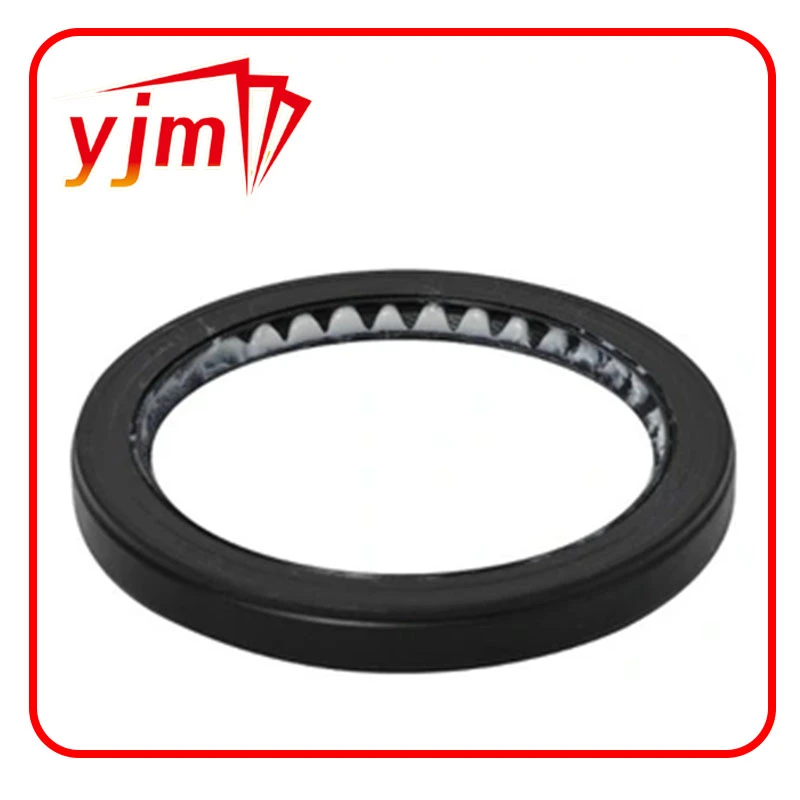
Genuine Toyota Oil SEAL 90311-54006
-
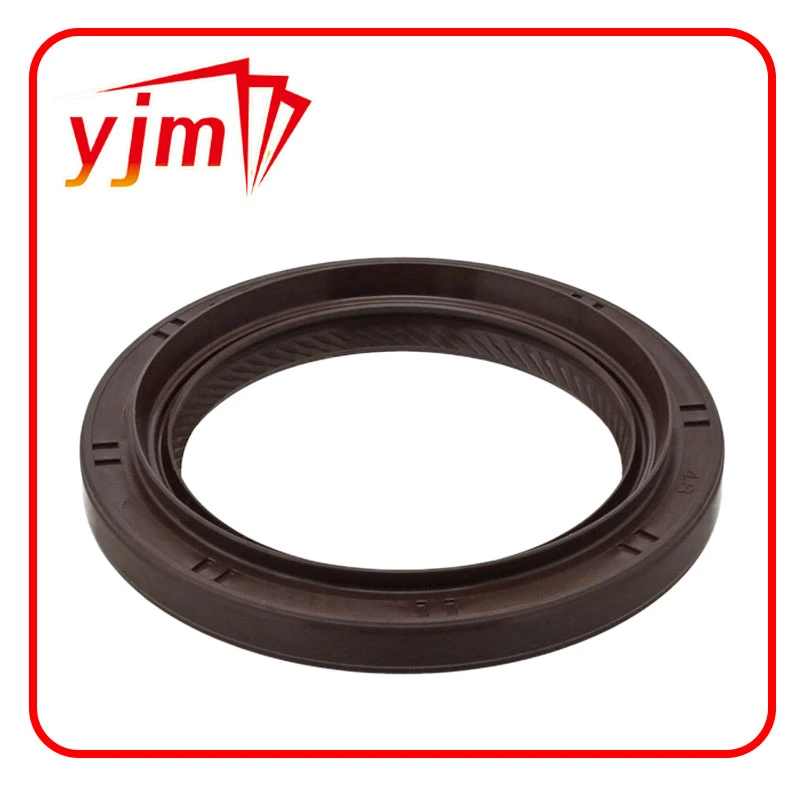
Toyota SEAL TYPE T OIL 90311-48031
-
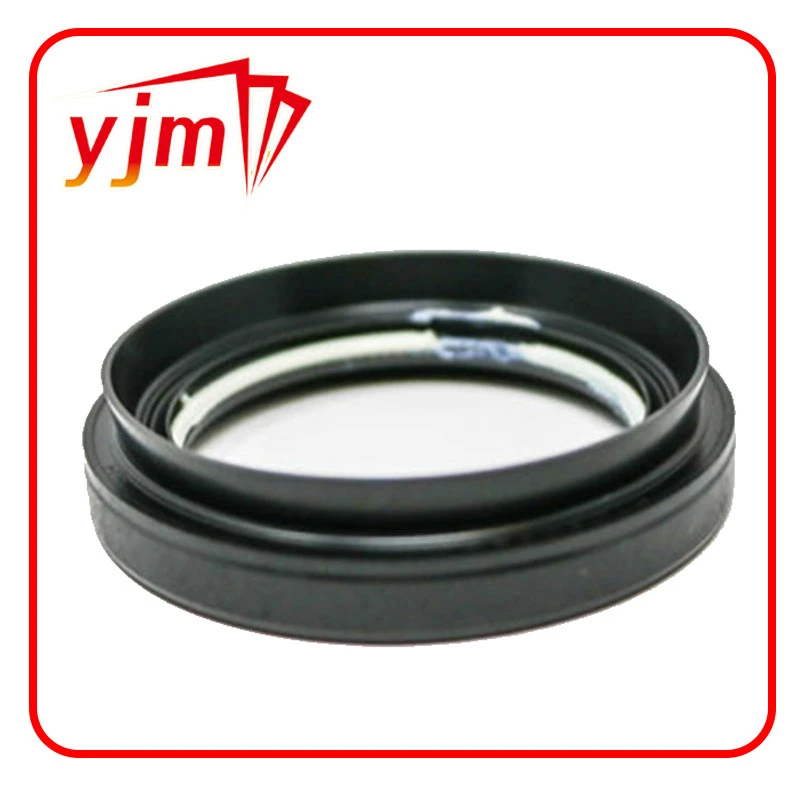
Type T Oil Seal, Front Drive Shaft, Left 9031150064
-
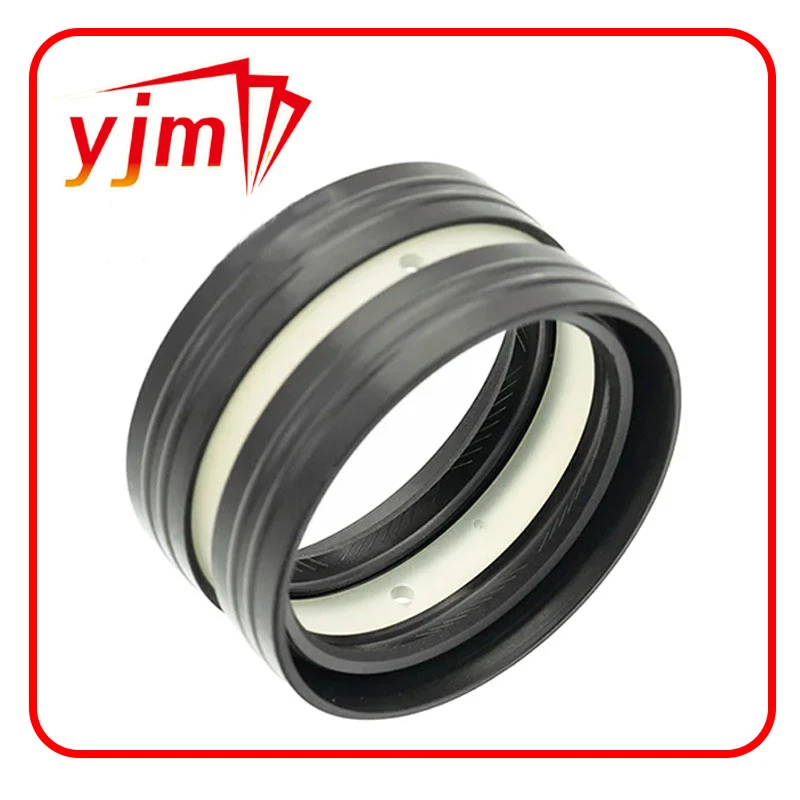
Seal, type d oil 9031634001 TOYOTA
 Afrikaans
 Albanian
 Amharic
 Arabic
 Armenian
 Azerbaijani
 Basque
 Belarusian
 Bengali
 Bosnian
 Bulgarian
 Catalan
 Cebuano
 Corsican
 Croatian
 Czech
Czech
 Danish
 Dutch
Dutch
 Esperanto
 Estonian
 Finnish
 French
 Frisian
 Galician
 Georgian
 German
 Greek
Greek
 Gujarati
 Haitian Creole
 Hausa
Hausa
 Hawaiian
 Hebrew
 Hindi
Hindi
 Miao
Miao
 Hungarian
 Icelandic
 Igbo
Igbo
 Indonesian
 Irish
Irish
 Italian
 Japanese
 Javanese
 Kannada
 Kazakh
 Khmer
Khmer
 Rwandese
 Korean
 Kurdish
 Kyrgyz
 Lao
Lao
 Latin
Latin
 Latvian
 Lithuanian
 Luxembourgish
 Macedonian
 Malgashi
 Malay
Malay
 Malayalam
 Maltese
 Maori
Maori
 Marathi
 Mongolian
 Myanmar
 Nepali
 Norwegian
 Norwegian
 Occitan
 Pashto
 Persian
 Polish
 Portuguese
 Punjabi
 Romanian
 Russian
 Samoan
 Scottish Gaelic
 Serbian
 Sesotho
 Shona
Shona
 Sindhi
 Sinhala
 Slovak
 Slovenian
 Somali
 Spanish
 Sundanese
 Swahili
 Swedish
 Tagalog
 Tajik
Tajik
 Tamil
Tamil
 Tatar
Tatar
 Telugu
 Thai
Thai
 Turkish
 Turkmen
 Ukrainian
 Urdu
Urdu
 Uighur
 Uzbek
Uzbek
 Vietnamese
 Welsh
Welsh
 Bantu
Bantu
 Yiddish
 Yoruba
 Zulu
Zulu
 English