What Does the Crankshaft Seal Do?
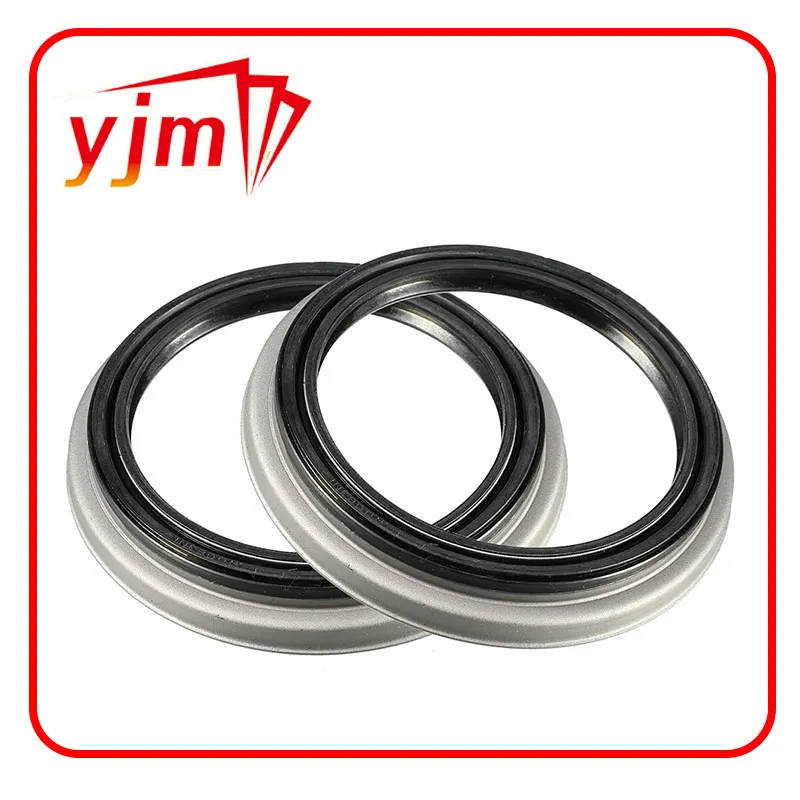
The crankshaft seal, also known as the front or rear main seal, is a small but critically important component of an internal combustion engine. Its primary function is to prevent oil leakage from where the crankshaft exits the engine block and connects to other engine components such as the timing system or transmission. Without this seal, oil would leak out of the engine, leading to low oil levels, engine damage, and eventually failure.
Purpose of the Crankshaft Seal
The crankshaft rotates at high speed and drives various components of the engine, including the pistons, timing belt or chain, and in some cases, the transmission. Where the crankshaft extends beyond the engine casing—either at the front or the rear—a seal is required to:
Contain engine oil within the engine block.
Prevent contaminants, such as dirt, dust, and moisture, from entering the engine.
Withstand high temperatures and high rotational speeds without degrading.
Maintain crankcase pressure, which helps optimize engine performance and fuel efficiency.
There are two main crankshaft seals:
Front Crankshaft Seal – located near the timing cover, behind the crankshaft pulley.
Rear Crankshaft Seal (also called the rear main seal) – located between the engine and the transmission.
How the Crankshaft Seal Works
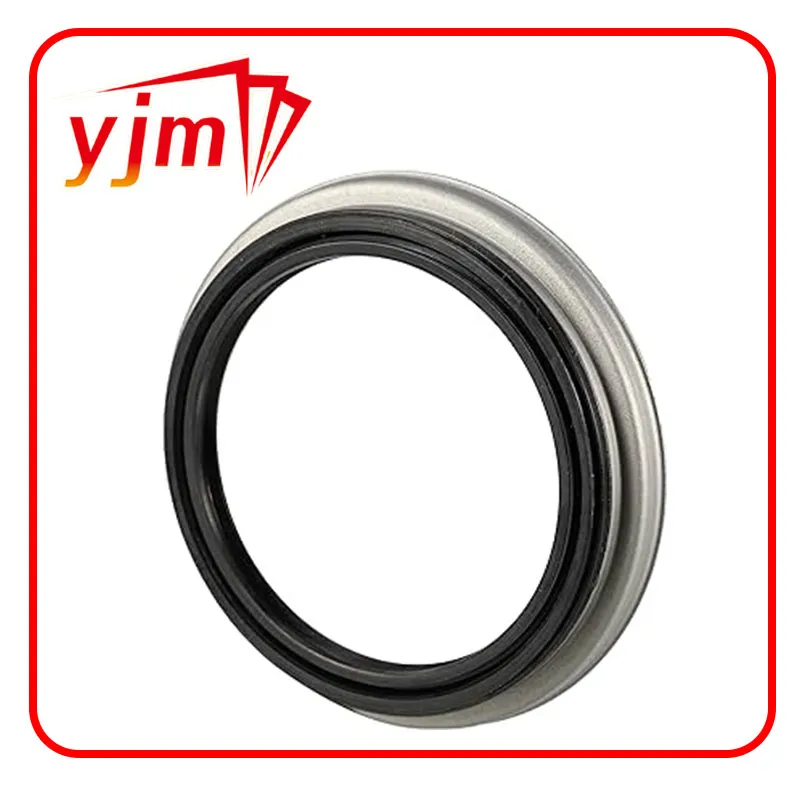
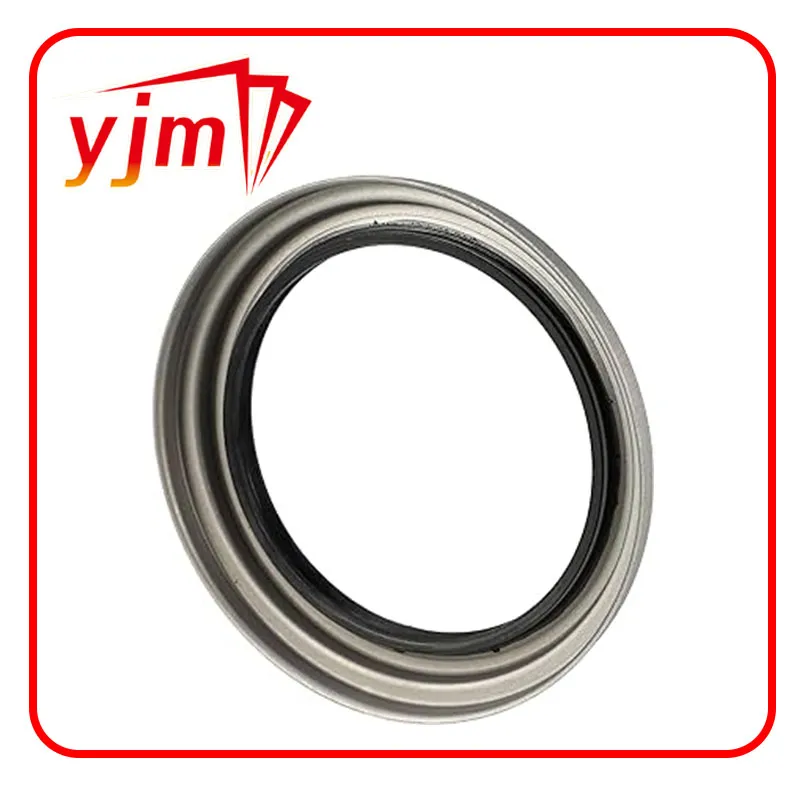
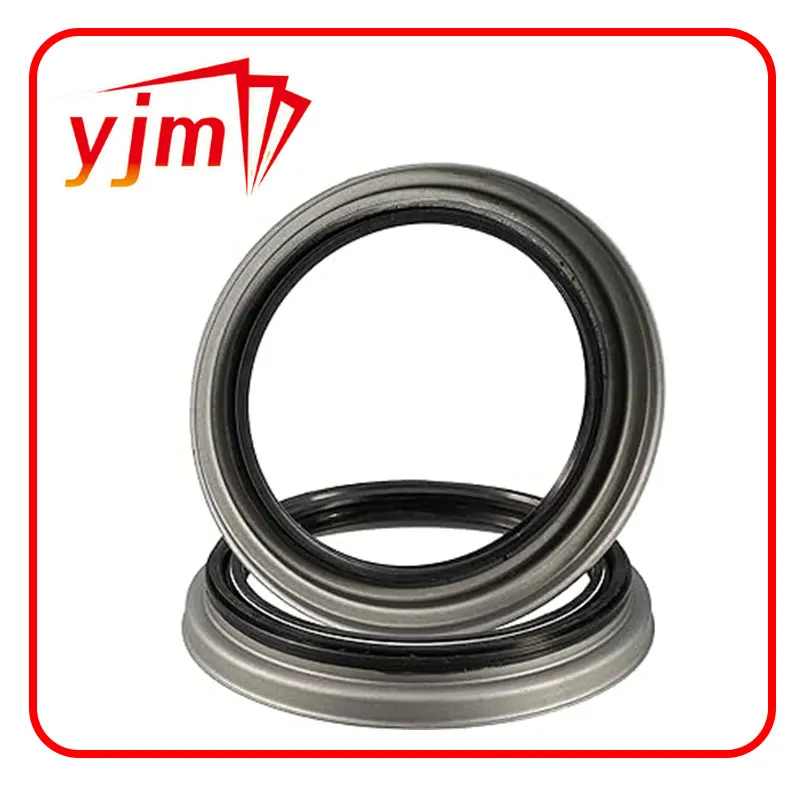
The crankshaft seal is a circular rubber or synthetic ring that fits snugly around the rotating crankshaft and into the engine housing. It often includes a metal casing for rigidity and a lip made of rubber or silicone that stays in contact with the crankshaft surface.
Some seals also include a spring-loaded inner lip, called a garter spring, which maintains tension and ensures a tight seal over time. Others may be PTFE (Teflon)-based seals, which rely on precision fitment and are used in high-performance or long-life applications.
As the crankshaft rotates, the seal:
Forms a tight barrier that blocks oil from seeping out.
Reduces friction between the rotating crankshaft and the stationary engine housing.
Maintains the lubrication system’s integrity, ensuring consistent oil pressure.
Types of Crankshaft Seals
There are several types of crankshaft seals depending on engine design and manufacturer specifications:
Rubber Seals with Garter Spring
Most common type.
Uses a rubber lip and internal spring to maintain pressure against the crankshaft.
Cost-effective and reliable for everyday use.
PTFE (Teflon) Seals
High-end, used in modern engines.
Offer long life, better resistance to heat and wear.
Often do not use a spring.
Cassette Seals
An advanced type that includes a sealing lip, dust lip, and often an integrated wear sleeve.
Designed for dirty or high-load environments, such as heavy machinery or off-road vehicles.
Materials Used
The choice of material affects the seal’s performance and lifespan. Common materials include:
Nitrile Rubber (NBR): Good oil resistance, commonly used.
Viton (FKM): High-temperature resistance, used in performance engines.
Silicone: Excellent flexibility and cold resistance.
Polytetrafluoroethylene (PTFE): High durability and chemical resistance.
The seal material must resist engine oil, high temperatures (up to 250°C or 480°F), and the stress of continuous motion.
Signs of a Failing Crankshaft Seal
A worn or damaged crankshaft seal can lead to serious engine issues. Common symptoms include:
Oil Leaks
One of the first signs is visible oil dripping from the front or rear of the engine.
Puddles of oil beneath the vehicle are often traced back to a faulty crankshaft seal.
Low Engine Oil Levels
If the leak is slow, it may go unnoticed until oil levels drop dangerously low.
Oil on Timing Belt or Flywheel
Leaking oil may soak critical components, such as the timing belt, leading to slippage or premature failure.
Burning Oil Smell
Oil leaking onto hot engine parts like the exhaust manifold may create a burning smell.
Engine Performance Issues
Low oil levels or oil contamination can lead to overheating, loss of lubrication, and eventually engine failure.
Causes of Crankshaft Seal Failure
Several factors can lead to seal failure:
Aging and wear: Rubber hardens over time, leading to cracking.
Heat degradation: Constant exposure to high temperatures can weaken the seal material.
Improper installation: Misalignment or over-torquing can cause leaks.
Contaminants: Dirt and debris can erode the seal lip or shaft surface.
Crankshaft wear or scoring: Damage to the crankshaft surface prevents proper sealing.
Replacing a Crankshaft Seal
Replacing a crankshaft seal is a labor-intensive task. Although the part itself is inexpensive, the process often involves:
Removing belts or pulleys (for the front seal).
Removing the transmission (for the rear seal).
Cleaning the crankshaft surface.
Carefully pressing in the new seal without damaging it.
Because of the complexity, it is usually recommended to have the seal replaced by a professional mechanic, especially the rear main seal.
Preventive Maintenance Tips
Regularly check engine oil levels to detect slow leaks early.
Inspect under the vehicle for signs of dripping oil.
Replace timing belts or pulleys in conjunction with front crankshaft seal to save labor.
Use quality engine oil to minimize breakdown of rubber components.
Avoid harsh driving conditions that may accelerate seal wear.
Cost of Crankshaft Seal Replacement
The cost varies depending on the make and model of the vehicle:
Front seal replacement: $150–$400 (including labor).
Rear main seal replacement: $500–$1,200 or more due to the need to remove the transmission.
It is often more cost-effective to replace the seal while doing related work (e.g., timing belt service or clutch replacement).
Though small in size, the crankshaft seal plays a vital role in engine operation by preventing oil leaks and protecting the internal components of the engine. A failed seal can lead to oil loss, contamination, and eventual engine damage. Regular maintenance, early diagnosis of leaks, and timely replacement can prevent costly repairs and ensure the longevity of the engine. Whether located at the front or rear of the crankshaft, this seal is essential to keeping the engine sealed, lubricated, and running smoothly.
automotive oil seal
automotive oil seal manufacturers
automotive oil seal supplier
automotive oil seals suppliers
automotive shaft seals
Products categories
-
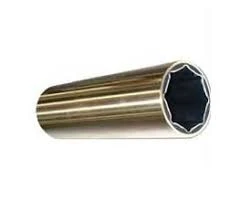
Brass cutlass marine bearing
-
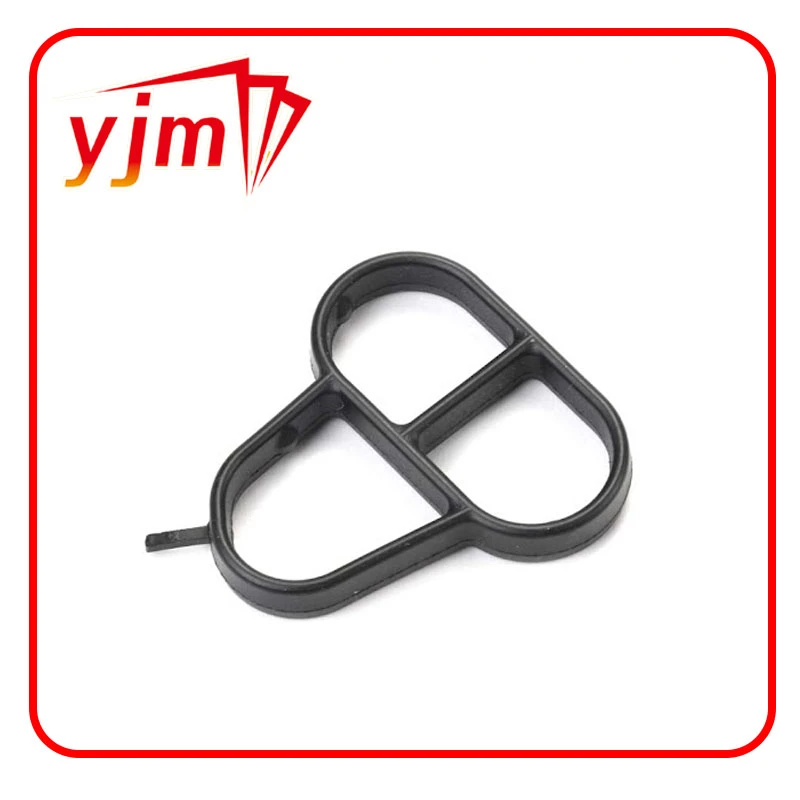
Genuine OEM Engine Oil Filter Housing Cover O-Ring For VW/Audi 06E115446
-
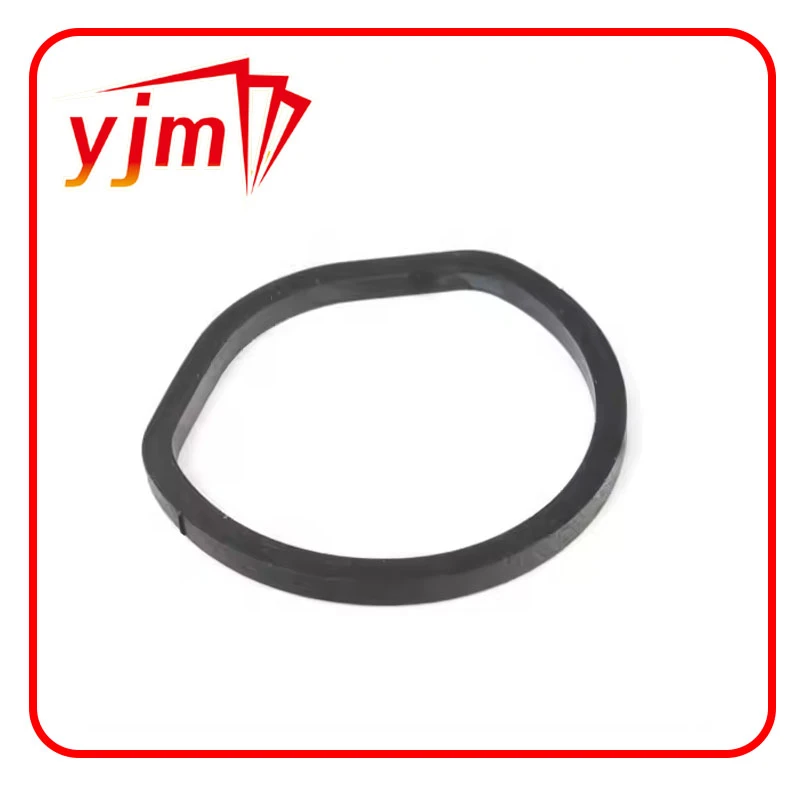
Oil Filter Stand Gasket,Oil filter cover seal
-
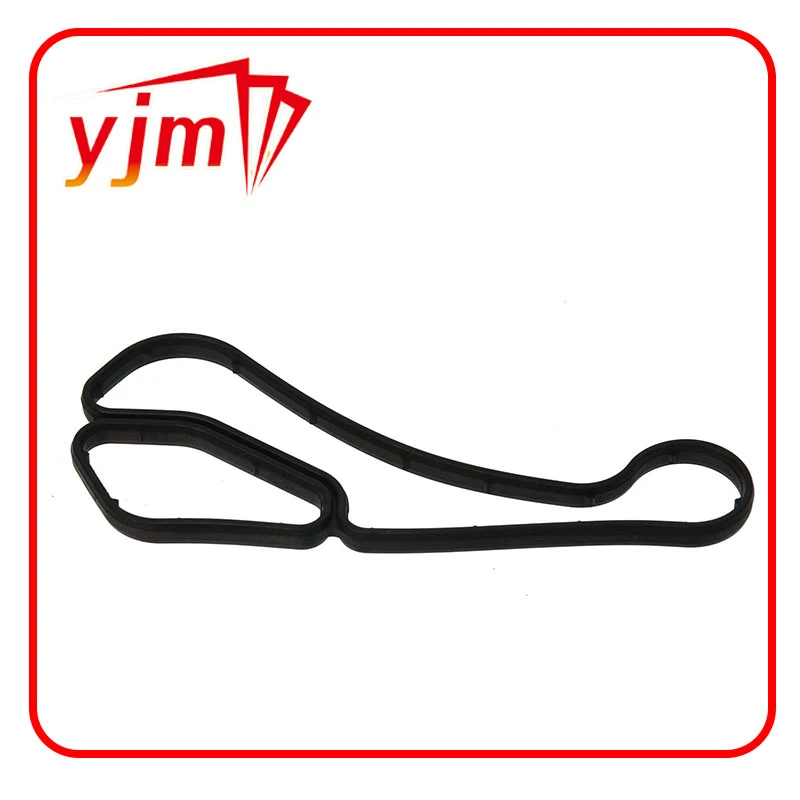
Oil Cooler Gasket, Oil Cooler to Oil Filter Housing 11427525335
-
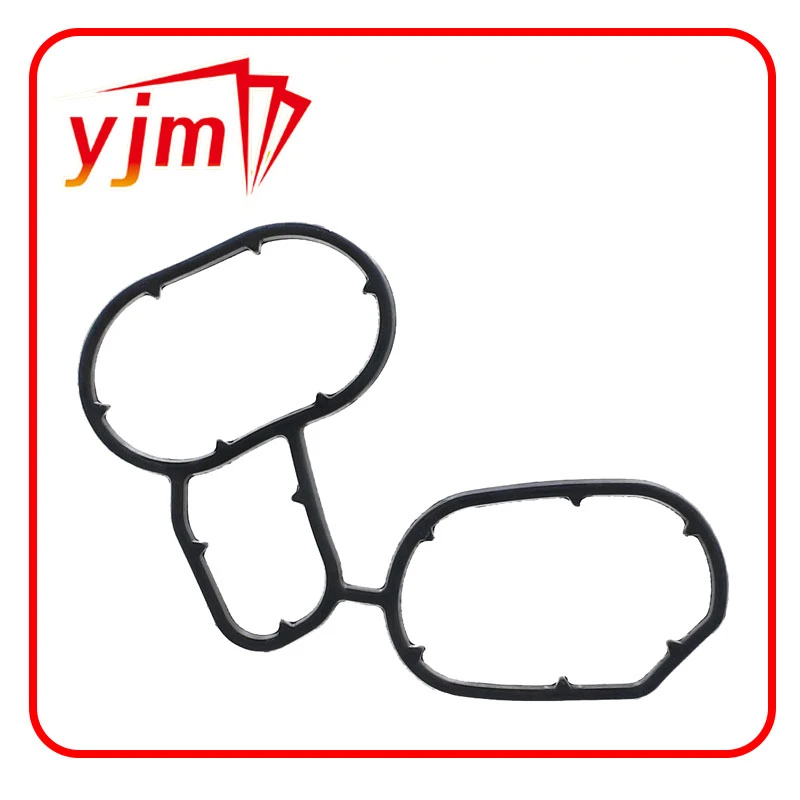
11427508970 BMW - OIL FILTER HOUSING GASKETS
-
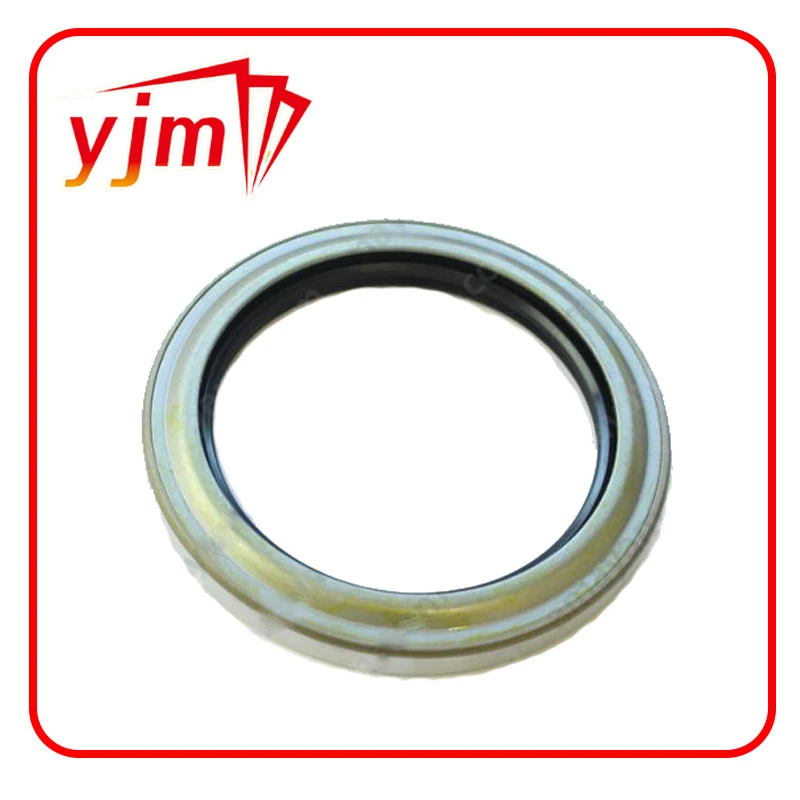
SEAL, OIL Genuine Toyota (9031170011)
-
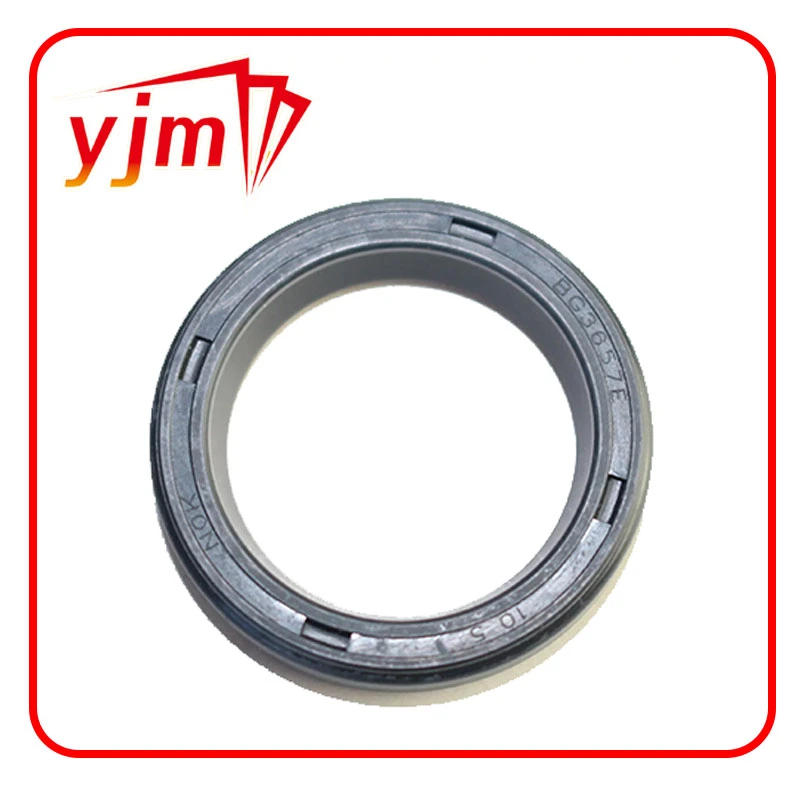
Transfer Case Output Shaft Seal Part 9031223001
-
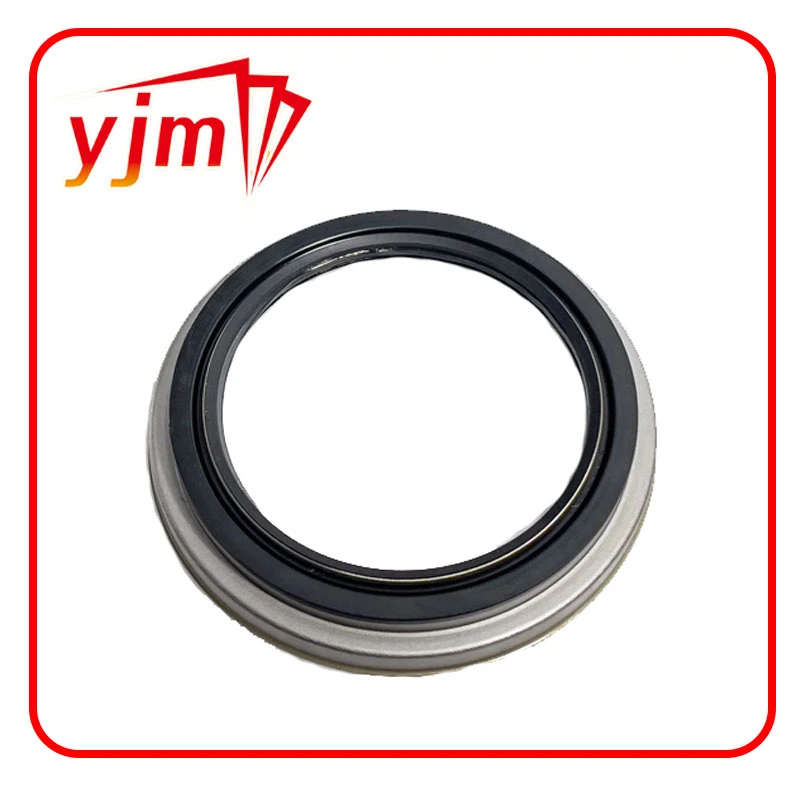
SEAL, OIL Genuine Toyota (9031672001)
-
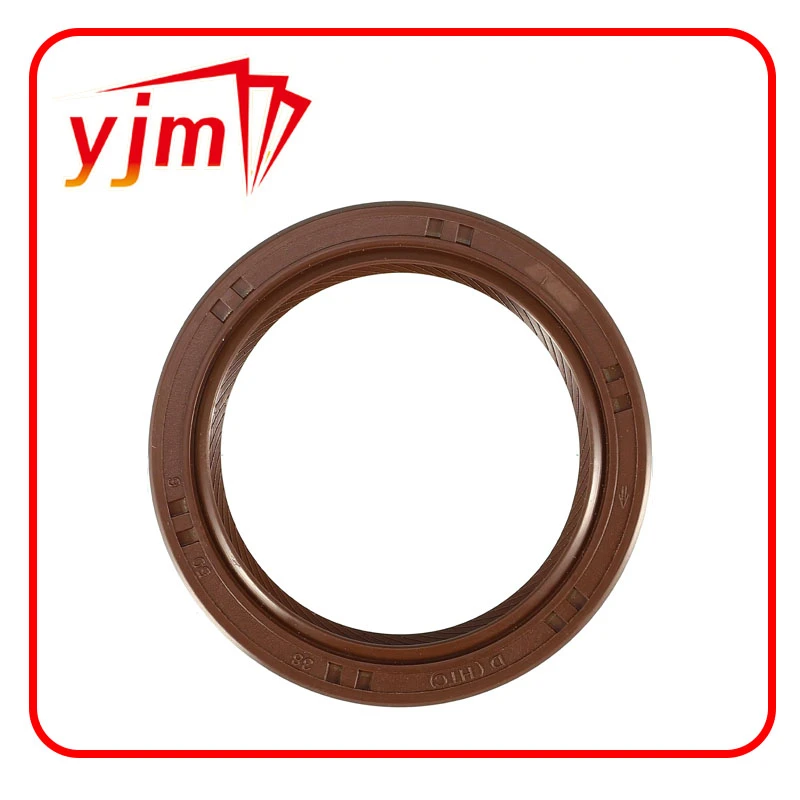
Engine Crankshaft Oil Seal No.9031138096
-
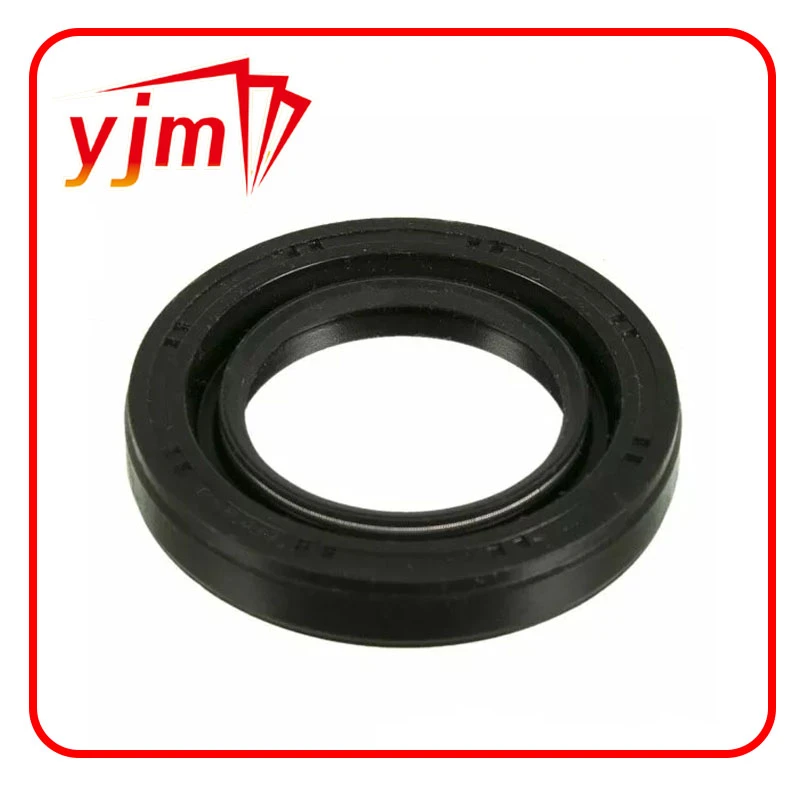
Toyota Transfer Case Output Shaft Seal Front 9031136006
-
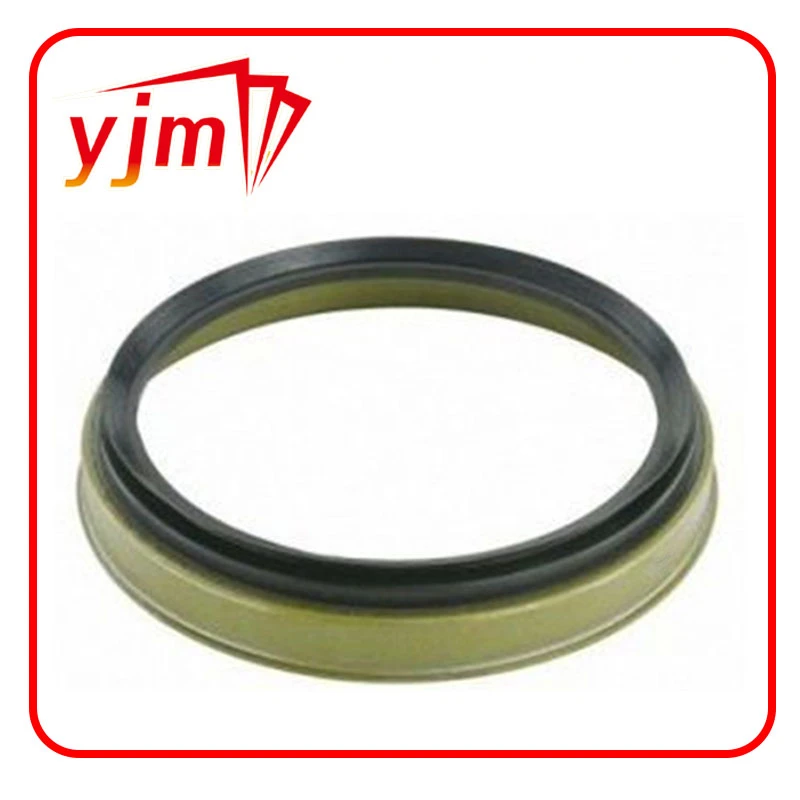
Seal, type v oil 9031287001 TOYOTA
-
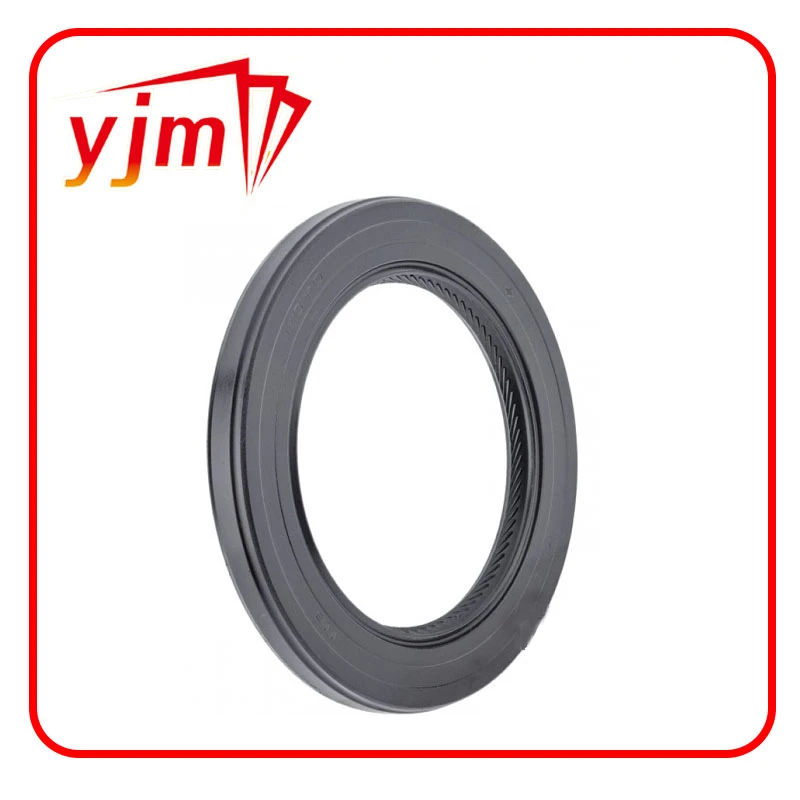
Oil pump seal 9031143010
-
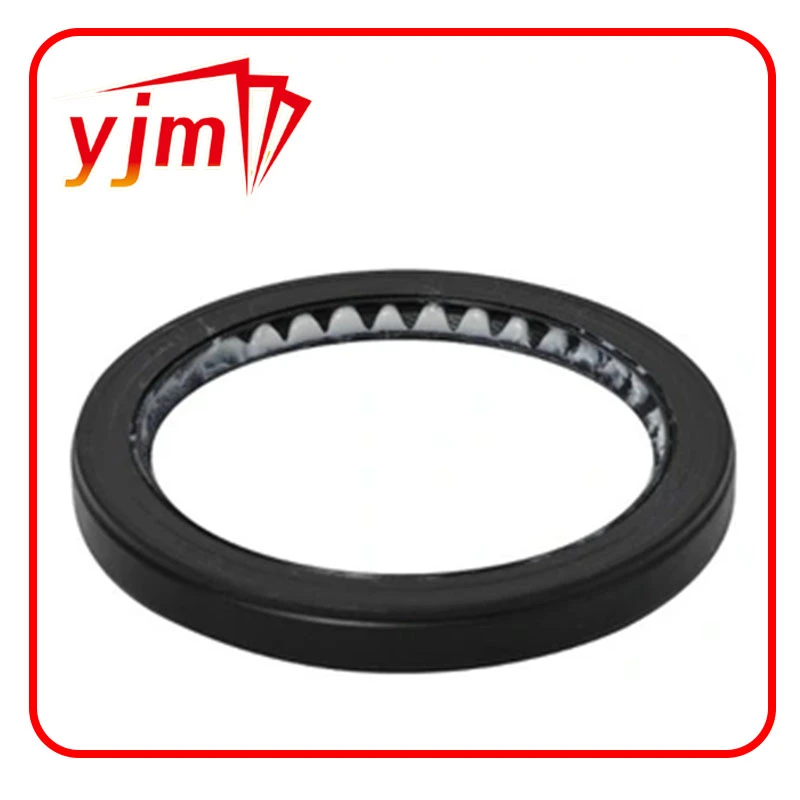
Genuine Toyota Oil SEAL 90311-54006
-
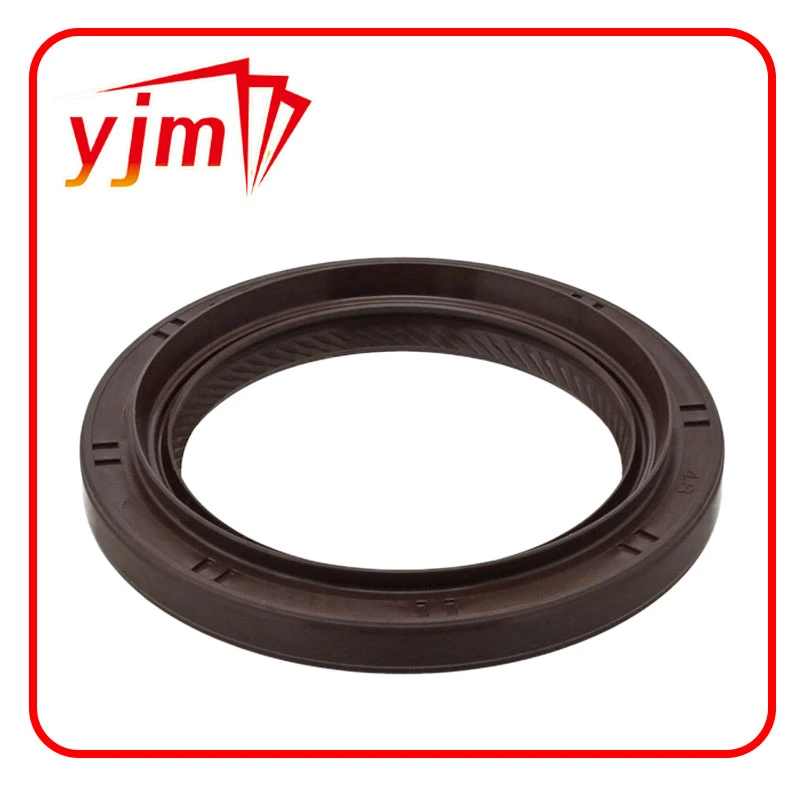
Toyota SEAL TYPE T OIL 90311-48031
-
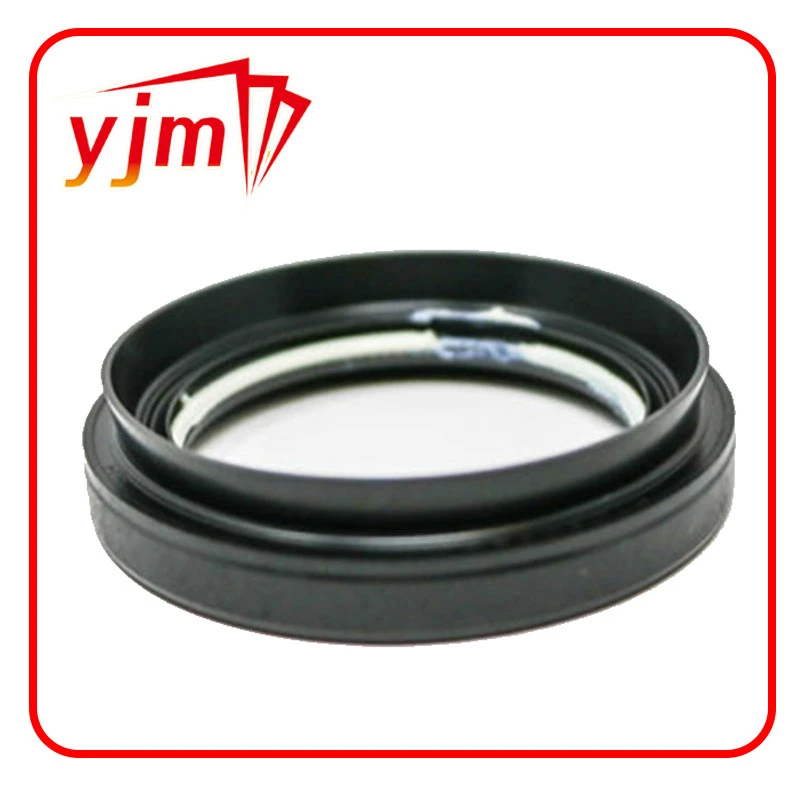
Type T Oil Seal, Front Drive Shaft, Left 9031150064
-
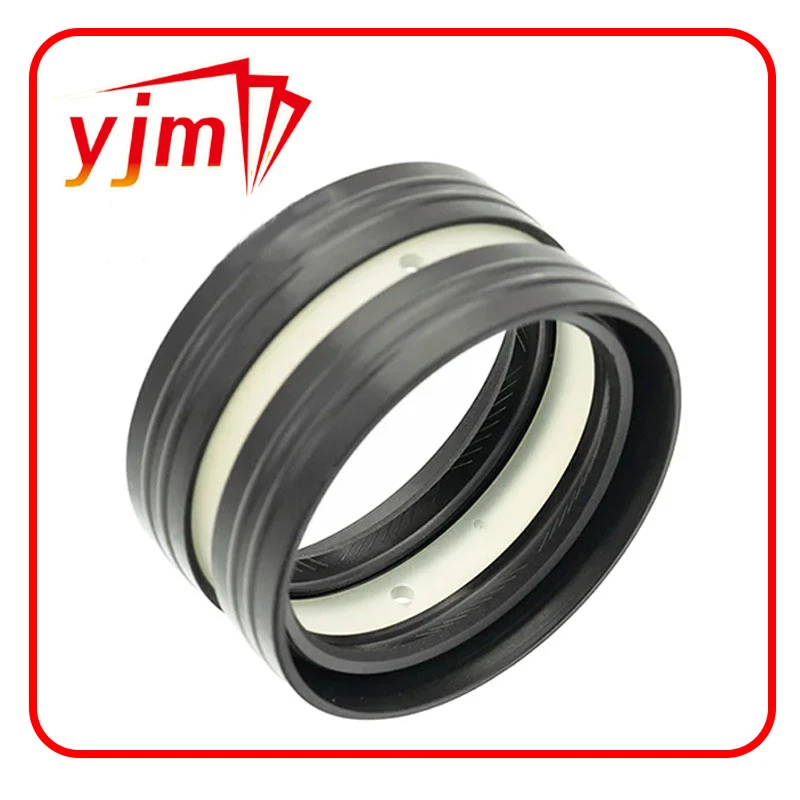
Seal, type d oil 9031634001 TOYOTA
Related News
-
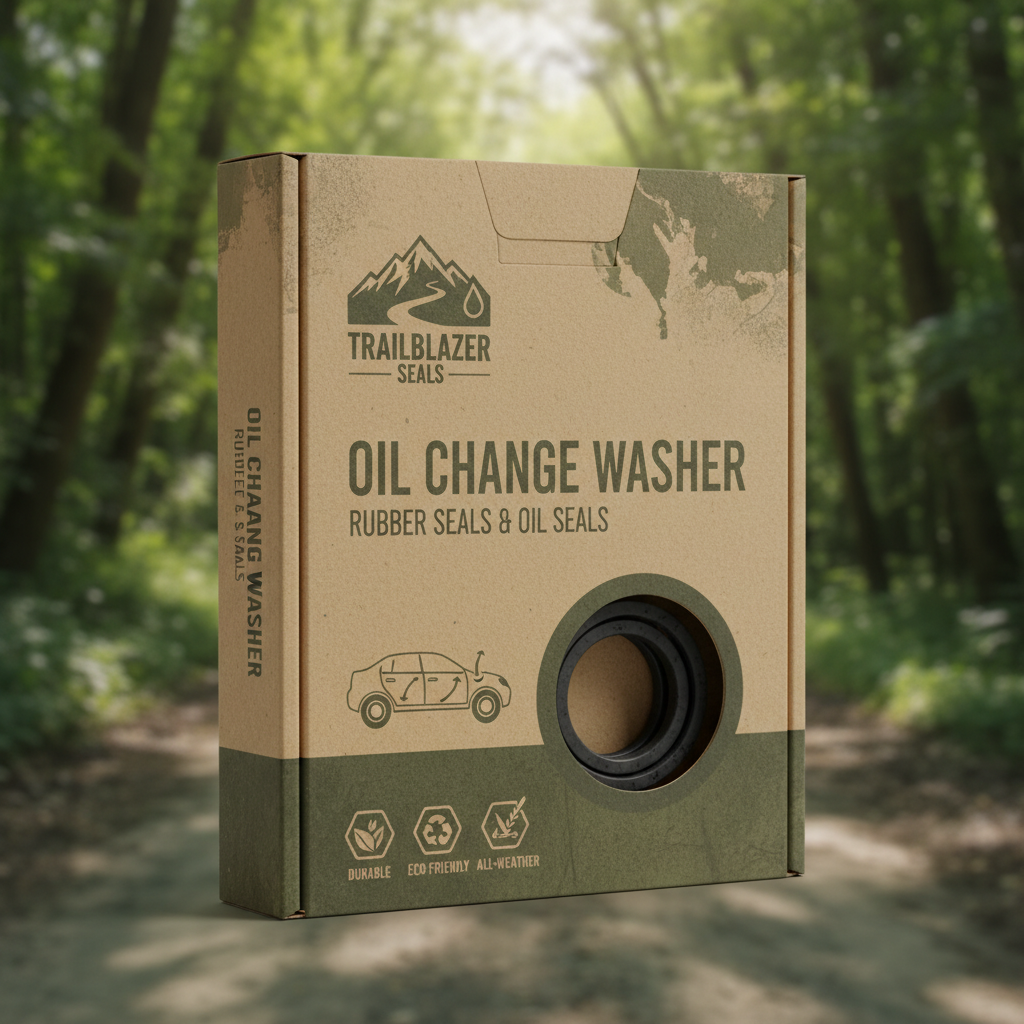 16 . Apr, 2026
Performing a routine oil change is one of the most critical maintenance tasks for any vehicle owner or fleet manager. While most people focus on the oil grade or the filter, the humble washer for oil change is the unsung hero that prevents costly leaks and engine damage. A faulty or reused washer can lead to slow drips that lower oil pressure or, in worst-case scenarios, a complete failure of the drain plug. In this guide, we will explore the different types of crush washers, why they are essential, and how to select the perfect seal for your specific engine requirements
more... -
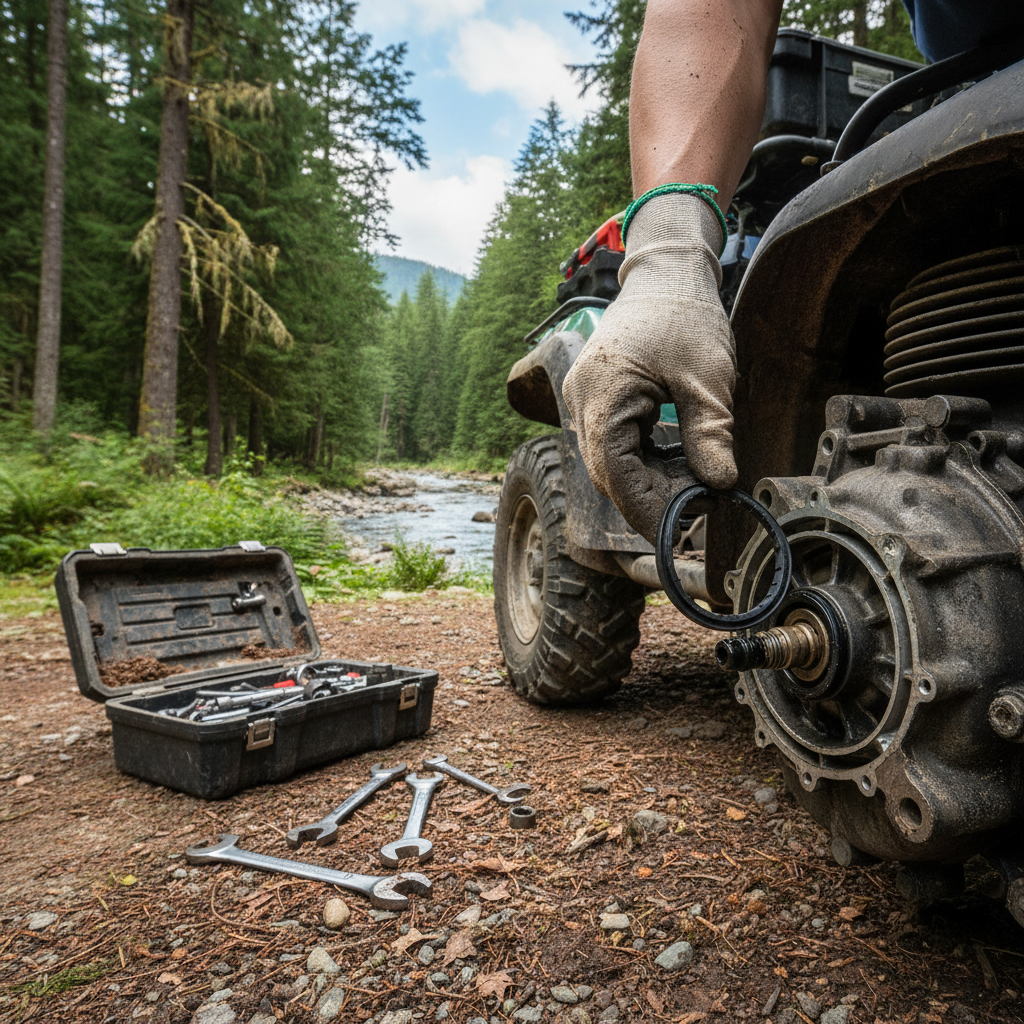 09 . Apr, 2026
Maintaining an engine's health starts with the basics, and one of the most overlooked yet critical components is the rubber washer oil drain plug. A high-quality seal prevents costly leaks and protects your engine from contaminants, ensuring smooth operation over thousands of miles. Whether you are a professional mechanic or a DIY car enthusiast, understanding the nuances of sealing materials can save you from unexpected roadside breakdowns. In this guide, we will explore the technical benefits, material differences, and installation best practices to help you choose the perfect sealing solution for your vehicle.
more... -
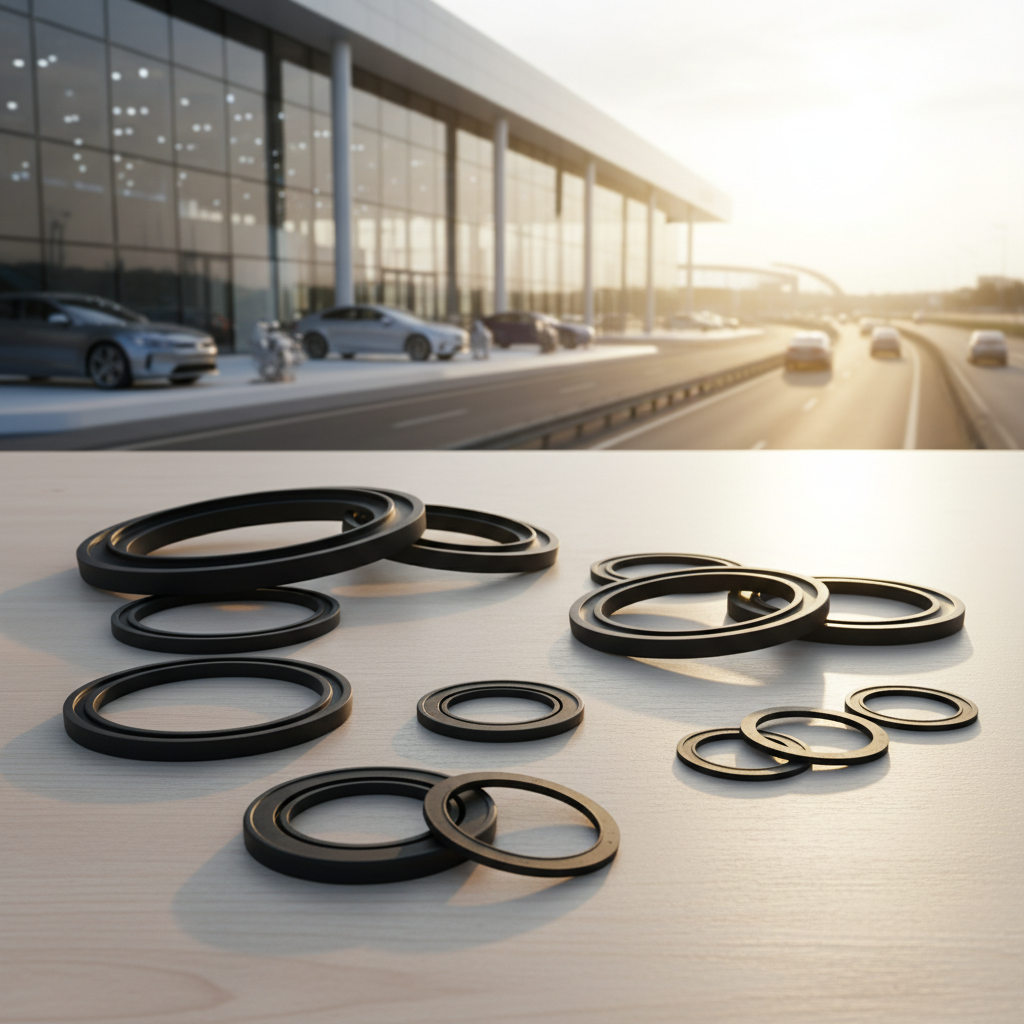 07 . Apr, 2026
Rubber crush washers, also known as rubber compression washers, are small but critical components used in a variety of sealing applications. These washers provide a reliable seal under compression, preventing leaks of liquids or gases. They’re frequently found in plumbing, automotive, and industrial settings. Choosing the right rubber crush washer is crucial for optimal performance and longevity. At YJM Seal, we specialize in providing high-quality rubber crush washers to meet diverse sealing needs.
more...
 English
  Afrikaans
  Albanian
  Amharic
  Arabic
  Armenian
  Azerbaijani
  Basque
  Belarusian
  Bengali
  Bosnian
  Bulgarian
  Catalan
  Cebuano
  Corsican
  Croatian
  Czech
Czech  Danish
  Dutch
Dutch  Esperanto
  Estonian
  Finnish
  French
  Frisian
  Galician
  Georgian
  German
  Greek
Greek  Gujarati
  Haitian Creole
  Hausa
Hausa  Hawaiian
  Hebrew
  Hindi
Hindi  Miao
Miao  Hungarian
  Icelandic
  Igbo
Igbo  Indonesian
  Irish
Irish  Italian
  Japanese
  Javanese
  Kannada
  Kazakh
  Khmer
Khmer  Rwandese
  Korean
  Kurdish
  Kyrgyz
  Lao
Lao  Latin
Latin  Latvian
  Lithuanian
  Luxembourgish
  Macedonian
  Malgashi
  Malay
Malay  Malayalam
  Maltese
  Maori
Maori  Marathi
  Mongolian
  Myanmar
  Nepali
  Norwegian
  Norwegian
  Occitan
  Pashto
  Persian
  Polish
  Portuguese
  Punjabi
  Romanian
  Russian
  Samoan
  Scottish Gaelic
  Serbian
  Sesotho
  Shona
Shona  Sindhi
  Sinhala
  Slovak
  Slovenian
  Somali
  Spanish
  Sundanese
  Swahili
  Swedish
  Tagalog
  Tajik
Tajik  Tamil
Tamil  Tatar
Tatar  Telugu
  Thai
Thai  Turkish
  Turkmen
  Ukrainian
  Urdu
Urdu  Uighur
  Uzbek
Uzbek  Vietnamese
  Welsh
Welsh  Bantu
Bantu  Yiddish
  Yoruba
  Zulu
Zulu